

11 Commonly Botched Renovations And How Mike Holmes Would 'Make It Right'

We may receive a commission on purchases made from links.
Mike Holmes has built his career on making things right. The HGTV star is well known for coming in behind crooked (or lazy!) contractors and helping homeowners get their projects back on track. Most of the time, he is a real miracle worker, fixing things that seemed like lost causes. Yet there are certain issues that seem to come up more than others.
"If you notice throughout all the different years, it's repetitive as to what problems arise. Floods, electrical issues, structural, water infiltration — from windows, doors, roof," he shared on the Holmes on Homes podcast via Facebook. Luckily, Holmes is happy to share how he fixes these most commonly botched home makeovers, so you can rescue your own home, too.
He is also quick to share the why behind his life's mission, too. "When a homeowner spends their hard-earned money thinking they hired a pro, and then writes to me that they have been scammed — that's really tough," he wrote on Facebook. "Not just because of the extra time or cost to fix it, but because someone was taken advantage of. That's just wrong." Luckily, neither you nor your contractors have to fall victim to these issues. Take heed, and avoid these mistakes that he's made right over the years. And to check out a property that will never need rescuing, take a tour inside Holmes' own beautiful home.
Shoddy electrical work that can cause real danger
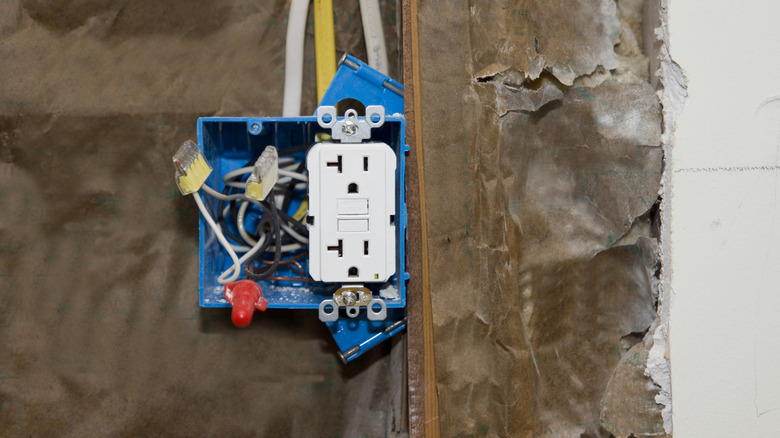
Holmes sees a lot of botched renovations. While some are real money pits, others are huge threats to safety as well. "Electrical issues are some of the most dangerous problems I come across. In about 99% of the jobs I take on, we have to rewire the house," he shared on LinkedIn. "I've seen everything from overloaded circuits to junction boxes buried behind drywall." He lists the most common problems his team has to overcome as missing GFCIs near water sources, mixed wiring, and overstuffed breaker panels. This is in addition to dangerous DIY jobs.
As a fix, Holmes is quick to remind all homeowners that DIY electrical work is just plain dangerous. This is because shoddy electrical work can cause both housefires and serious bodily injury. In addition to this, any hired contractors also need the correct training.
"This is essential for all homeowners to know. General Contractors cannot do electrical work in residences unless they hold an electrical contractor's license," he wrote on his blog Make It Right. In fact, one of the questions you should be asking a contractor before you renovate is, "Do you have the correct training and license for electrical work?" This way, things are more likely to be up to code and not in need of a redo.
Little to no waterproofing, leading to mold
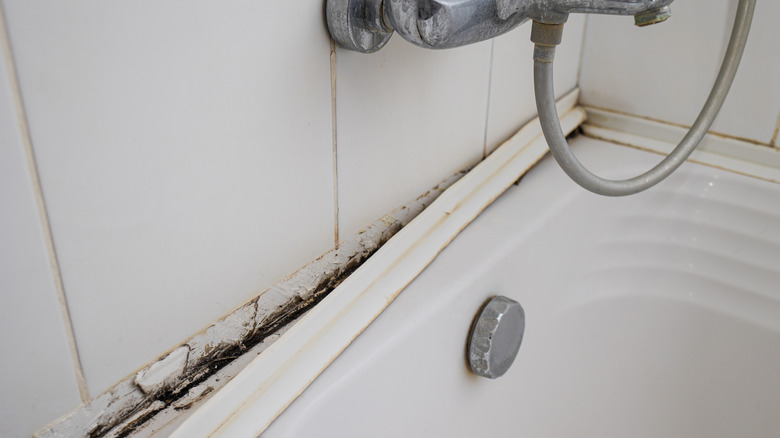
Another common issue Holmes and his team come across when they are performing home rescues is mold. Many people don't waterproof their homes correctly, and it leads to heaps of problems down the line. "Water is a home's number-one enemy. If I open up a wall behind a shower and there's mold, rot, or crumbling drywall, you can bet someone cut corners on waterproofing in wet areas," he wrote on LinkedIn. "This is not where you save money."
As a fix, Holmes recommends installing plenty of protective measures as you do the work for the first time, so you don't have to double back. The first thing he recommends is to avoid using drywall in wet spaces like the bathroom, and instead use cement board. Holmes works closely with Schluter Systems and recommends their KERDI waterproofing membrane for projects like this.
He also suggests that DIYers pay special attention to the slope of their shower floors. Make sure the floor is set in such a way that the water slides efficiently down the drain instead of forming pools. Finally, to avoid mold, Holmes warns not to use a can of so-called waterproofing "paint" instead of an actual waterproof membrane for projects.
Using cosmetic improvements to hide real problems
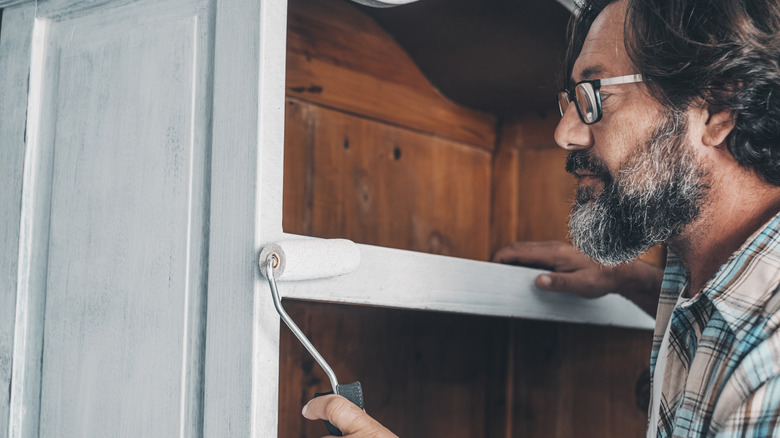
One of the most common botched renovations that Mike Holmes tends to see in his work is people ignoring the bigger problems in favor of a quick fix. "A fresh coat of paint can hide a lot," he warned on LinkedIn. However, this ability to hide issues can have some long-term negative consequences. "That's why we always want to take down walls. Any time walls move, beams get added, or floors get opened, you need a structural engineer involved," he continued. "Cosmetics come last — structure comes first."
To avoid backing yourself into this corner, here's what he recommends avoiding: "Load-bearing walls removed without proper beams. Undersized joists or DIY supports. Foundation cracks ignored or covered up." You might be tempted to just start swinging or use caulk to fill in the holes, but failure to plan properly and perhaps spend a little bit more to fix the cause of the problems, not just their symptoms, will typically come back to bite you.
Not planning enough, leading to weird scaling or poor storage

You might think that demo day is where renovations begin, but to avoid major issues during your project, Holmes advises that day one should actually happen much earlier, in the planning stage. "Not planning out your layout properly is one of the most common remodeling mistakes I come across," he wrote for Kraus USA. "Ensure your vanity, bath, and shower are the right scale for your bathroom and that you have sufficient room to navigate the space." Nothing is worse than designing your dream bathroom, only to discover that the entire space feels tight after installing everything.
He also warns that the same problem can happen in other functional spaces, too. "How much time do you spend in the kitchen? And how much cabinet storage and counter space do you need?" Holmes asked. If you fail to plan for these things, you might end up with a dysfunctional space that is tough to navigate, let alone cook in. To get a true feel for a potential layout, use painter's tape to outline the cabinet units on the floor. Then, move around to see how the space will work. Also, make a list of each unit you plan to install and what items will be stored in them. "The more organized you are at this stage, the more successful and less stressful your renovation will be," he said.
Using the wrong faucet, leading to awkward use

It's a renovation blunder to select a faucet based on looks alone. "The height of the faucet should be considered when the sink is under cabinets or shelves," he wrote for Kraus USA. This way, there is enough space between the faucet and cabinets to not cause physical crowding, or worse, not fit at all. "Low-profile kitchen faucets can cause clearance issues, especially if your sink is placed below a windowsill or cabinetry..." So, make sure to measure any options carefully and compare the height to the space you have to work with.
Choosing the wrong faucet is one of the design choices Mike Holmes recommends avoiding during a bathroom remodel as well. In smaller bathrooms in particular, overcrowding the bathroom countertops with fixtures can cause a lot of scale and storage issues. To make it right, he recommends removing "traditional widespread faucets with hot and cold handles that sit on either side of the spout tend to take up more room." Instead, replace them with one unit in the center of the sink. Not only does this create a more streamlined look, but these all-in-one options can be easier to clean.
Leaving out lighting, making you work in the dark

Even if you avoid the pitfalls of scale and storage, there are still a few more traps you might fall into. One is failing to install enough lighting to adequately illuminate the space. "Most kitchens and bathrooms require more than one type of lighting for optimal look and function," Holmes explained via Kraus USA. He noted that there are three main categories of lightning, and practical rooms like bathrooms and kitchens need all three to be successful. "You'll need task lighting, such as a desk lamp, to brighten up your workspace, accent lighting to create focal points, and ambiance lighting for the overall lighting in your space," he advised.
The best way to accomplish this is by installing a main light fixture in a prominent space. This will draw your eye to it immediately, and also do the main work of illuminating the area. Next, Holmes recommended "adding lights with dimmers to create ambiance, or under cabinet lighting to brighten up your space." This fills in the holes the big light can't quite reach, ensuring you aren't left with shadowy spots. Plus, layered lighting makes a room feel more curated and cozy, rather than boring and sterile.
Bathrooms with no fans or ventilation of any kind
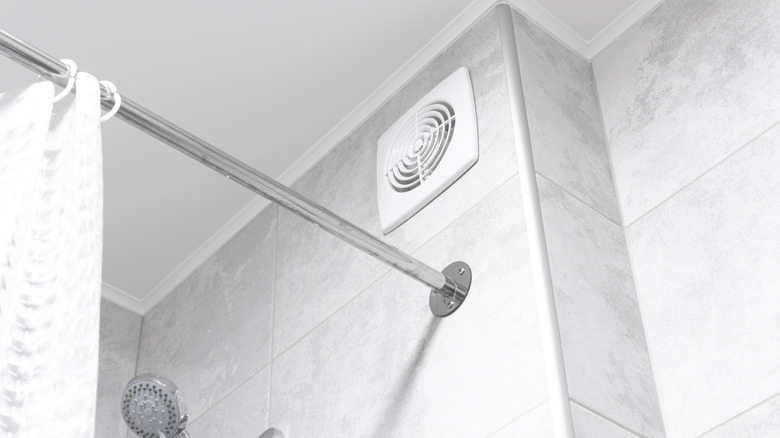
Bathrooms need to breathe! While you might get away with just cracking a window now and again, Holmes warns that this practice will soon catch up to you. "Improper ventilation is a huge issue. I still see bathrooms with no exhaust fan at all, which is common in older homes," he shared on his blog Make It Right. "Without a fan, moisture builds up fast — and that moisture leads to mold, rot, and long-term damage behind your walls and tile." In fact, leaving a fan out of your bathroom plans is a renovation red flag Holmes can't help but warn homeowners about.
Unfortunately, the process of making this right is a bit more involved than simply adding in any old fan. "Other common problems include fans that aren't installed properly, fans that are too small for the space, or vents that are blocked or vented into an attic instead of outside. All that does is trap moisture where you don't want it," Holmes continued, emphasizing the importance of scale and location. First, measure how big your bathroom is and choose an exhaust fan that can handle the amount of air, based on this formula. As an example, for small bathrooms under 50 square feet, a fan that moves between 50 and 70 cubic feet per minute (CFM) is usually enough. Keep in mind that large steam showers and bathtubs will require adding more ventilation power.
Uneven subfloors that cause bouncing or cracking
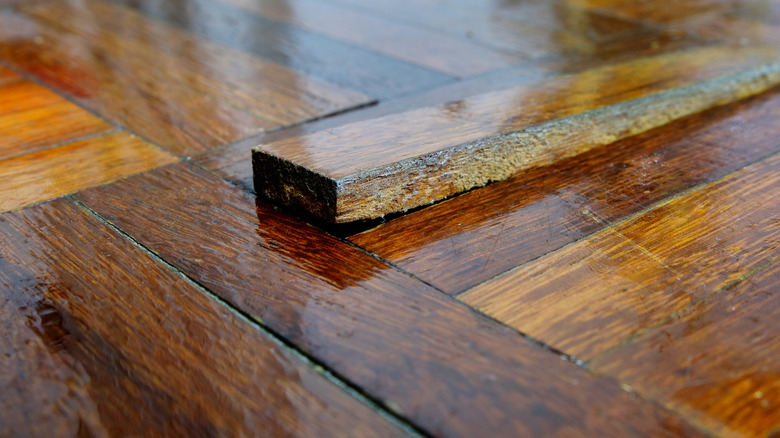
Uneven subfloors are other issues that Holmes says could cause big problems. Just like it sounds, the subfloor is the structural layer installed underneath your visible flooring. "If the subfloor is uneven or the framing underneath is weak, you'll end up with cracked tiles, uneven floors, or even structural issues," Holmes wrote for Make It Right. "This is also why I don't recommend installing tile over tile—you're adding extra weight to a floor that may already be struggling."
And how do you know if your subfloor has been botched? Holmes warns that the floor will feel a bit off. You'll notice slight bouncing when you walk and an overall hollow feeling beneath your feet. If you've laid tile over tile, the top layer may also crack under the pressure because there is no give underneath.
Yet, how to fix this? Unfortunately, the only real way to make things right in these situations is to start over. "On our jobs, if we suspect an issue, we remove the tile and inspect the subfloor," Holmes said. "Everything gets fixed before any new tile goes down. That's the only way to do it right." Then, properly prepare your subfloor for laying tile, laminate, or whatever type of flooring you're using. This could include everything from evening it out using a leveling compound to replacing loose or damaged boards.
Cutting structure into the floors of the bathroom, causing eventual sagging
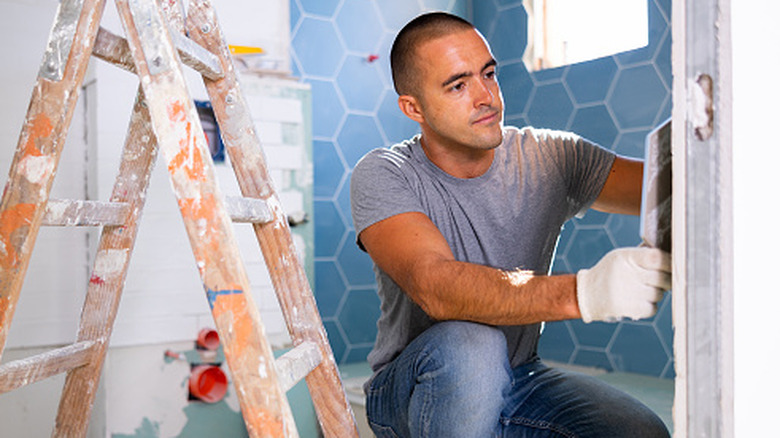
A lot of expensive things can go wrong when you are updating your bathroom. "The most common problem we run into when renovating a bathroom — and it drives me insane — is structure being cut in the floor," Holmes told the Marc + Mandy Show. "For instance, if somebody has made some changes years ago, perhaps by installing a sewer line right through the floor joints because they didn't want a bulkhead downstairs. You don't know it, and you can't see it, but it's a problem that you'll need a bigger budget to fix."
To avoid this, Holmes recommends that DIYers and contractors alike shouldn't move the flooring around for the bathroom equipment. Instead, they should do it the other way around, unless you are redoing the entire space, including the floor. However, if you've already done it (or the previous owner of your house did), then there is still a fix. Unfortunately, it is achieved in the same way as solving other subfloor problems, by reinforcing/redoing the floors, which is doable — for a price.
Forgetting insulation in basements, leading to major heat loss
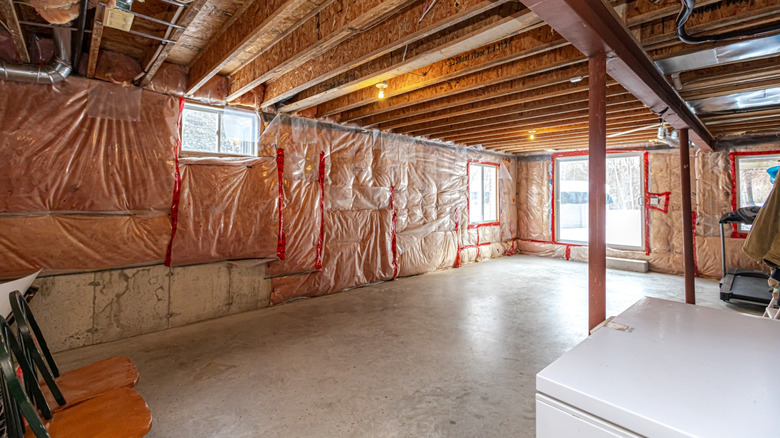
One of the important things you should do before renovating your basement, according to Mike Holmes, is have a plan in place for insulation solutions. Even in unfinished spaces, you lose a lot of air through windows and doors. So if you don't consider them in your plans, your space will be freezing, and your utility bills will be high. "The number 1 thing that is overlooked is air sealing exterior wall penetrations and rim joists," he wrote for his blog, Make It Right. He points out, "Basements tend to be responsible for around 20% of your home's total heat loss."
To make things right, you need to insulate your basement from the inside. This could include using spray foam insulation. These come in different types for different jobs, so pay close attention to the kind you purchase. For example, Loctite Polyurethane Foam Sealant for Gaps & Cracks is for smaller spaces, while Loctite Tite Foam Insulating Foam Sealant goes in the gaps around windows and doors. These are more after-the-fact fixes. During the renovation itself, Holmes recommends using batt insulation, like the Kraft Faced Precut Fiberglass Insulation Batts inside the actual walls to seal things off, as well as glass fibre loose fill, or rigid plastic boards.
Making changes late in the process, costing you time and money

One of the most commonly botched renovations is actually how you conduct business during the term of your project. Things change during renovations. Sometimes, you decide you want a different color tile or a different floor plan. So, there is a process for making sure everyone is on the same page: Change orders. "A construction change order is an excellent tool for documenting and managing change requests from clients on the project," Holmes wrote for Make It Right. "Some change requests are optional, like when a homeowner decides they want to make the master bedroom larger."
Sometimes, you need them because you've come across a major disaster (like a leak or the presence of asbestos) and you need to change course to accommodate these discoveries. However, making optional decisions later in the project can lead to extra change orders and increased costs. Instead, carefully weigh decisions like that tile choice or the layout of the kitchen before committing to anything. It's much better (and cheaper) to get it right in the first place than to make last-minute swaps after the project has started.