

16 Of Martha Stewart's Best Gardening Tips For A Beginner

Martha Stewart's Bedford farm is a true testament to the art of gardening. Her enormous greenhouse, rows of raised beds, fruit orchards, and hedge maze (among many other features) are an inspiration to gardeners everywhere... and that's just one example of the gardens she's grown. If you're a beginner gardener wondering how, exactly, you're supposed to get started transforming your own yard into a breathtaking garden, Stewart is the perfect person to turn to for advice.
We've rounded up a series of tips from Stewart that will help you get started on your own garden. Whether you want to learn how to plan your garden, amend your soil, or prune your plants, these 16 pieces of advice are practically guaranteed to turn your thumb green. Grab your gardening gloves and get ready to call up your local nursery.
Don't get ahead of yourself when planning your garden
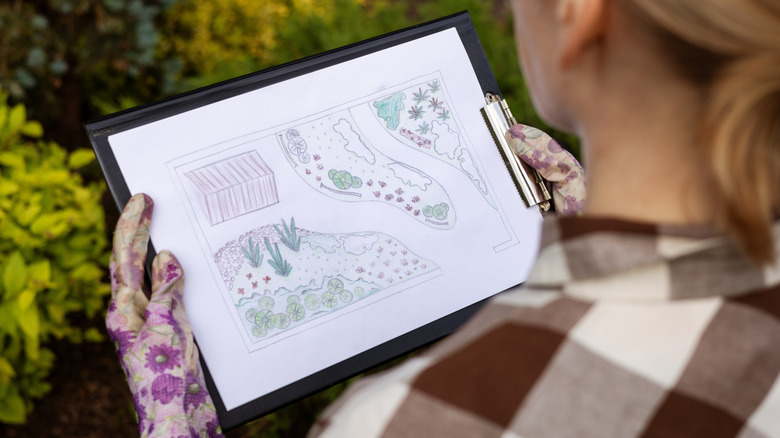
"My best advice is don't be overly ambitious because that will often lead to disappointment. Start small," said Martha Stewart in a Q&A with Miracle-Gro. When you look to other gardens for inspiration, you'll likely see enormous layouts, bountiful produce harvests, and complex garden structures. But large, intricate gardens take time; unless you have a team of gardeners at your disposal, there's no chance of you building the perfect garden in one season.
Instead, start with a simple and basic plan. Choose plants that are hardy and easy to care for. Opt for a reliable mix of perennials and annuals instead of trying to rotate dozens of annuals in and out of your yard during your first year. You don't need to utilize all of your yard space at once; if a single raised bed or small veggie patch is more manageable, you can always add more later on as you learn and discover what plants you might want to add in the future.
Read all about the plants you want to purchase
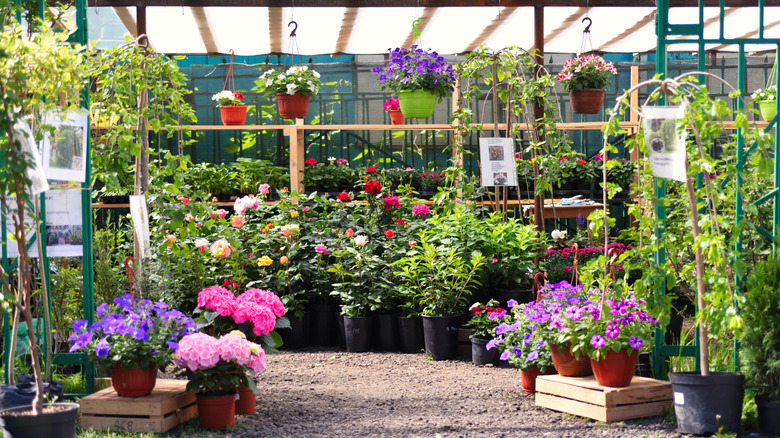
When planning your garden, you'll likely be drawn to some plants purely because they're beautiful. While there's nothing wrong with that, Martha Stewart reminds you to do your research before you start popping plants in the ground willy-nilly. When explaining how new gardeners should go about procuring plants for their gardens, Stewart recommended buying from a range of nurseries rather than visiting just one (via Garden Illustrated). She added, "...don't be tempted just to look at the [plant] pictures in the [nursery] catalogue, be sure to read the catalogue descriptions as well."
Learning more about the plants you intend to purchase will give you a sense of whether they'll actually work in your garden. If you're trying to fill those shady spots in your garden, a plant that needs full sun will die off before growing season is over. Similarly, a plant that thrives in shade will have its leaves burnt by direct sun.
There are lots of questions you can ask yourself to help determine if a plant is right for your yard. Does it fit your light requirements? What about soil — will it grow in the same soil as the rest of the plants you plan to purchase? Will it eventually grow to be too large for your garden? Is it especially vulnerable to local pests? Is it invasive in your area? These thoughts are a good jumping-off point when you're researching a plant you want to buy.
Be prepared to work on your garden every day
Martha Stewart likes to remind beginners that keeping a garden is a whole lot of work. As she told Miracle-Gro, "Be prepared to work! You have to weed, you have to water, you have to feed...My big motto is: 'you eat every day; your plants want to eat also. You drink every day. Don't take a drink until you water that plant that looks a little bit wilted on your windowsill, or in your garden. Don't you dare take a drink!'"
Even the easiest and most basic garden setup requires daily work. At least a few times a week, you'll need to water your plants; you'll have a fertilizing schedule to follow during growing season, too. Weed maintenance has to happen every day in most cases; you'll also spend lots of time checking over your garden, harvesting and deadheading, and making sure all your plants are in good shape. These are tasks you simply can't skip if you want your garden to thrive and grow. While the work is certainly worth it in the end, it's never easy — so be sure that you're ready to commit to your garden before you start planting.
Always follow your gardening zone
USDA hardiness zones are a fantastic tool for gardeners across the country, and you'll likely see them utilized any time you research a plant. "We're so lucky here in the U.S. to have a clear map of what you can grow and when," Martha Stewart told CBS Sunday Morning. "Keep track of your hardiness zone map. It really makes growing much, much better if you know what you can plant."
For the unfamiliar, the USDA Plant Hardiness Zone Map splits the country up into 13 different growing zones. The zones are based on the average coldest temperature in the winter, which helps to determine which plants will thrive in the different climates across the nation. If you live in Zone 1, for example, then your most extreme winter weather on average will drop to -55 degrees Fahrenheit. In Zone 13, your coldest winter temperature is 65 degrees Fahrenheit on average. Plants that can tolerate extreme temperatures will do well in the lowest zones, whereas the higher zones are reserved for plants that need warm weather to thrive.
Locate where you are on the map, and then use the colored legend to find your plant hardiness zone. The next time you research plants to add in your garden, you'll know to check their plant hardiness to see if they can actually survive in your yard. If you choose to plant outside your zone, know that it isn't likely to survive the winter.
Plant seedlings rather than seeds if you don't have a green thumb yet
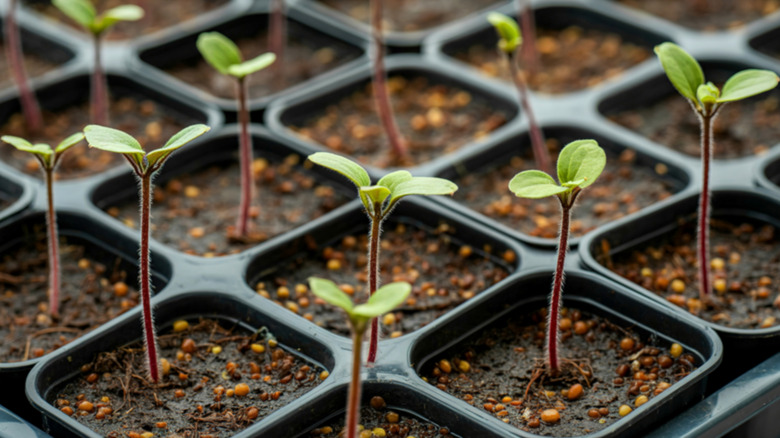
"I like to grow from seed," Martha Stewart explained to Miracle-Gro. "If you are more timid, buy well-grown plants, seedling plants, from a reputable store." As a beginner gardener, there's nothing wrong with buying quality seedlings rather than bags of seed. You'll likely have a much easier time with seedlings and young plants than you would germinating seeds.
Don't get your garden seedlings from just anywhere; low-quality seedlings may be malnourished and not primed for proper growth. Some could even come with pest or disease issues that are difficult to spot. Find a reputable, highly rated local nursery and peruse their stock of seedlings; besides having young plants that are in good health, a nursery will be able to teach you more about growing seedlings and starting your garden. If you want to try your hand at growing your own plants from seed, you should opt for a mix of both methods. This way, if your seeds fail to grow, you'll still have store-bought seedlings you can rely on to fill your garden.
Always test your soil before starting your garden
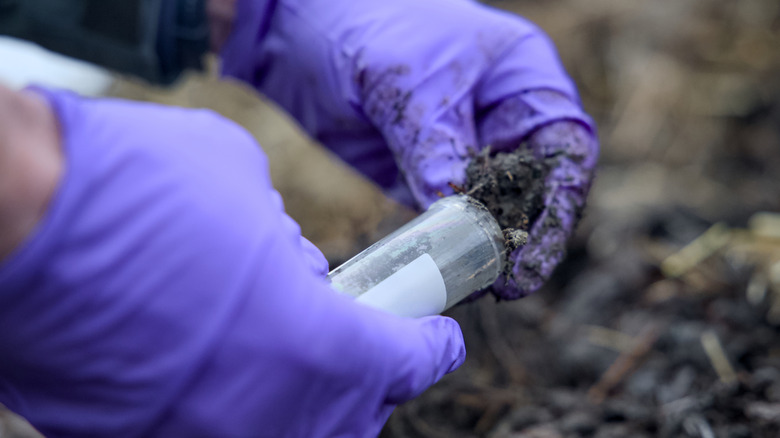
Before you even start digging your first hole for your garden, you need to get your soil tested. "If building a new vegetable garden, test the soil to gain more knowledge of its pH, phosphorous, lime, potassium, soluble salts, and soil texture," Martha Stewart explained on The Martha Stewart Blog. "Soil testing kits are available at garden centers, or through a local cooperative extension."
If you're starting a garden for the very first time, your soil may not be well-suited to the types of plants you want to grow. Getting your soil assessed will allow you to formulate a plan of how it will need to be amended before you start your garden; you may need to adjust the pH, add more nutrients, and layer in some organic matter. All of these things will ensure your plants grow large and healthy.
Prepare your soil before you plant
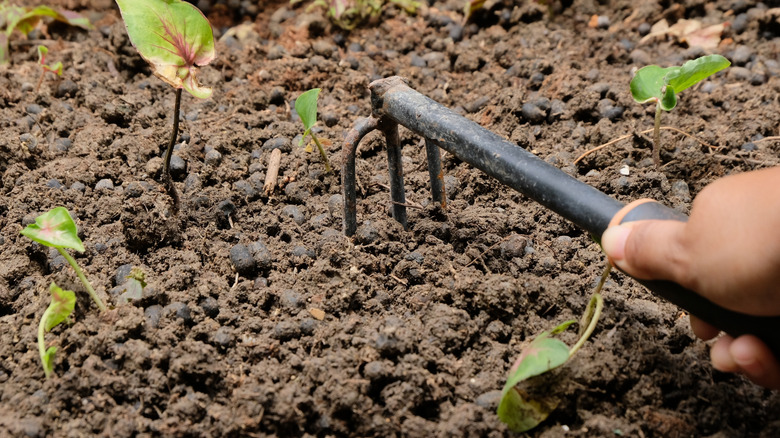
"Every year at my farm, we spend a good amount of time preparing the soil for planting," Martha Stewart wrote on her blog. "This includes removing debris and old root systems, tilling the earth to break up large clods, building raised, well-aerated beds, and adding organic and nutrient-rich compost. It is a tedious process, but well worth the effort for a successful gardening season."
For the uninitiated, we hate to break it to you: Your existing soil may not be cut out for gardening. This makes the gardening process much more complicated; instead of digging holes in your yard and plopping plants inside, you'll need to focus on setting up your soil for success first. You might wonder why this is a necessary process, but even if you have plants that are already growing in your unprepared soil, it's very likely that they would be healthier and happier in soil that was amended for their needs. You can amend your soil yourself by spreading compost around the area where you want to plant, then lightly tilling the top layer of soil, breaking up clumps as you go. If you'd rather avoid tilling, you can simply add a light layer of compost over your soil.
Composting at home will help your garden grow
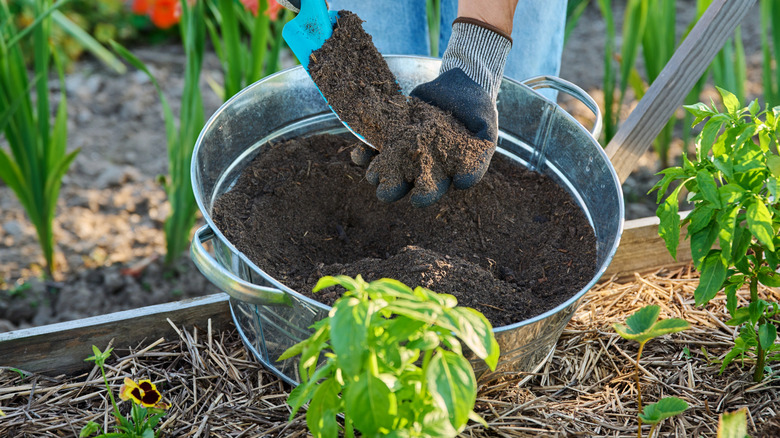
Compost is an essential part of amending your soil, and you'll need to add more of it to your garden at various points throughout the year. Martha Stewart makes her own compost — and you can, too. "At my farm in Bedford, almost nothing goes to waste," she told Miracle-Gro. "Successful composting depends on the right combination of 'green' and 'brown' material. The greens (food scraps, lawn cuttings) provide nitrogen, while the browns (healthy dry leaves, newspaper, cardboard) provide carbon." She adds that you should have a 2:1 brown to green compost ratio.
The nutrients in compost will help your plants grow and thrive. Making DIY compost at home is cost-effective, and it's a great way to repurpose your food waste and recycling. However, Stewart also points out that you can purchase compost from the store when you're first starting out; since compost can take a long time to decompose, you'll be better off picking some up from a nursery within your first year or two of gardening.
Wait to plant until your soil is warm enough
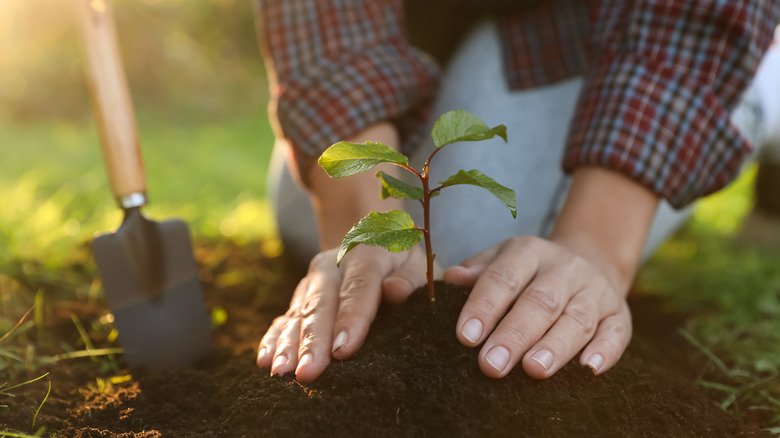
When you first start researching the best time of year to plant your garden, you'll often see guidelines that utilize specific months of the year. While this is a great starting point, Martha Stewart reminds you to always go based off the soil temperature. "No matter when the soil is prepared, only start planting when the soil is warm enough to be worked. The soil temperature for planting cool weather vegetables is about 40 degrees Fahrenheit... and at least 60 degrees for other warmer and tender crops," she wrote on her blog.
Soil that is too cold means some of your plants won't be able to grow well, if at all. You need to know the temperature your plants can withstand before putting them in the ground. When planting from seed, some seeds won't be able to germinate in cold soil temperatures; others prefer cooler temperatures while they germinate. When the soil is too cold, young plants will struggle to absorb the nutrients they need from the cold soil, leaving them stunted.
Always mulch (and use a quality kind)
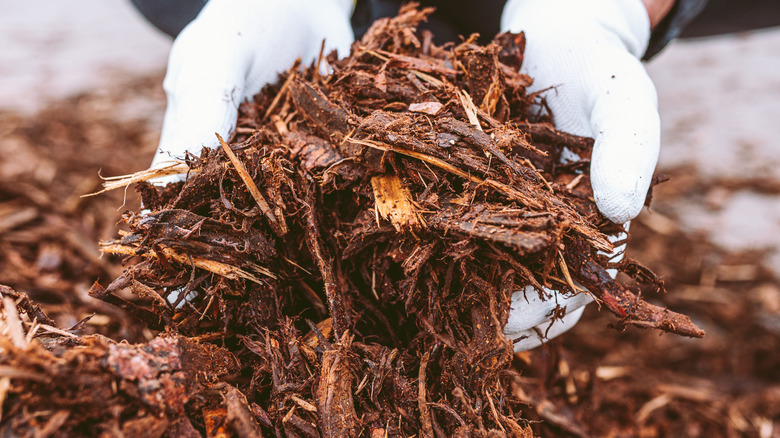
"I hate to see bad mulch. You know, that rubbery stuff," Martha Stewart explained on TalkShopLive. While you may have thought that mulch is primarily used in landscaping for aesthetic reasons, it's actually an essential soil additive that can improve your plant health.
Mulch will block light from hitting the soil, which can help prevent weeds from growing in your garden. For annuals, mulch is an essential insulator; it keeps the soil (and therefore your plants) warm in the winter. In summer, it can keep your plants' roots nice and cool. It can also help keep your soil moist. Stewart uses organic mulch in her garden, which she says works best to suppress weed growth.
Replace your plants during their dormant season
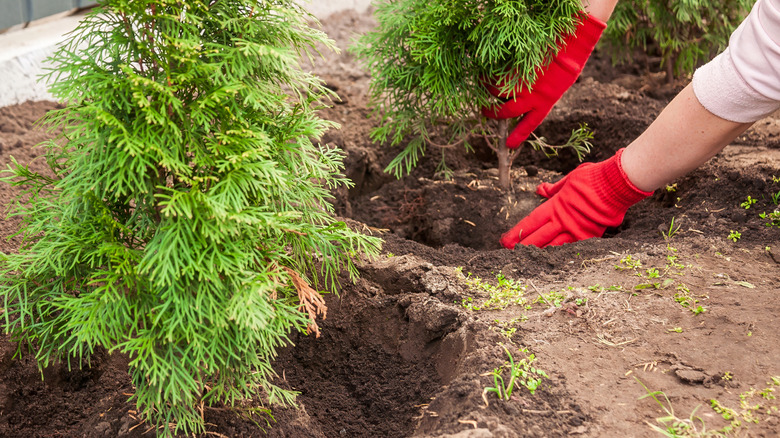
The growing season (spring and summer) is when you'll see the most activity with your plants, so you might think that this is also a good time to transplant them. After all, they'll have lots of extra energy to regrow in their new spot, right? This is actually untrue. "Change is constant in a garden and a good time to remove and replace plants is... during the dormant season," Stewart wrote on her blog.
Moving your plants 'shocks' them, stunting their growth. Transplants will need time to establish their root systems in new soil; if they try to do this during growing season, they won't be able to spare any extra energy for growing leaves, flowers, or produce. During the dormant season, the plant is no longer as active, so transplanting it will be less stressful.
Remove plants that are doing poorly
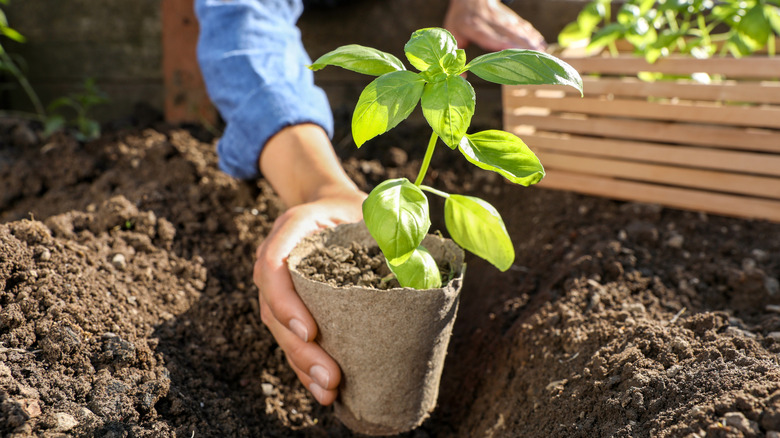
While you should be careful of moving plants that are doing well just for the sake of rearranging your garden, you can always remove plants that aren't thriving, even during their growth season. "In order to have delicious, beautiful vegetables, it's important to always check on what's doing well and remove what is not and then replant when needed," Martha Stewart explained on her blog.
Don't be afraid to remove plants that are doing poorly. It's okay for your garden to have a bit of space where your plants didn't work out; once it's planting season again, you'll have extra room to fill your yard with new alternatives. You may even still have the opportunity to reseed the area with things that work well for your garden, depending on the time of year; for many plants, growing season can extend into early or even late fall.
Stake your tomato plants (and other growing vines)
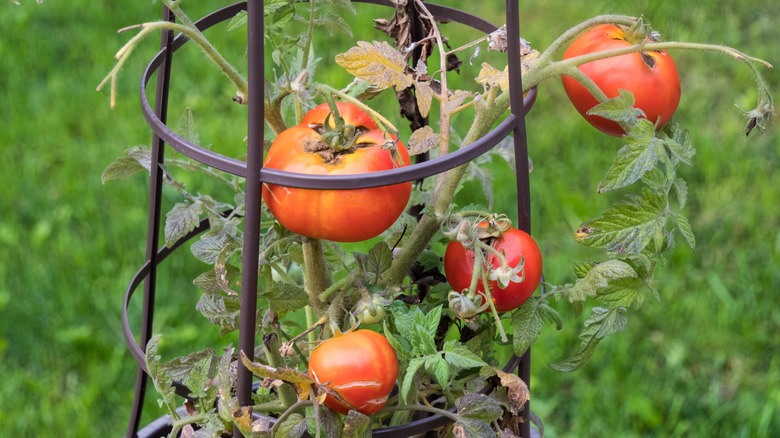
Tomatoes and other vining plants are a popular pick for beginners, especially if you're looking to save space in your garden by growing plants vertically, or if you want to make a privacy screen. However, these plants won't just grow upwards by themselves. "Tomatoes... grow on vines, so it is crucial to provide strong structures to which the vines can cling and climb. Some use pre-made tomato cages. I like to use tall bamboo stakes for supports... I also use natural jute twine to carefully secure the plants to the bamboo canes," Martha Stewart wrote on her blog.
When you don't stake your vining plants, they'll trail along the ground instead of growing upwards. This allows pests easy access to your crops. It can also cause them to rot faster. Instead, provide them with a stake or trellis that they can climb. As your vining plants grow, you may need to tie them to the trellis with plant ties — this is especially true if the plant bears heavy fruit, in which case it could struggle to support itself without being tied. As your plant grows, continue to gently secure the plant to the trellis, leaving plenty of wiggle room so that you don't damage it.
Leave room for your garden to grow
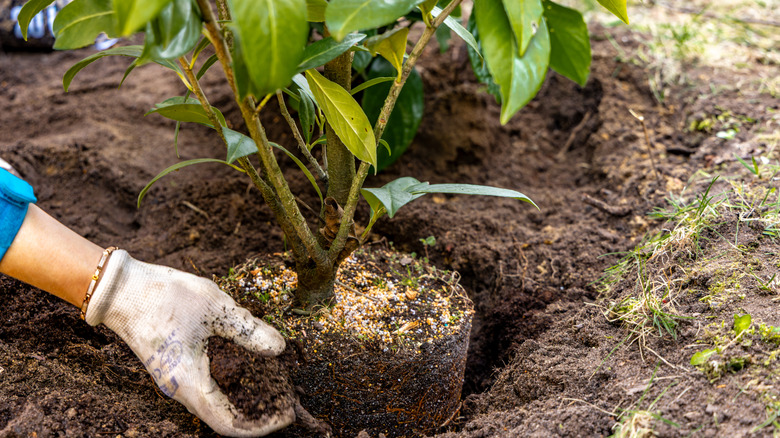
When Martha Stewart detailed how she grows and prunes her garden maze at her Bedford Farm, she was clear that all of her young plants are spaced out. "Each shrub or bush is planted appropriately with enough space to accommodate its full grown size," she explained on her blog. When you're planting small, young plants, you may not consider how large they'll someday grow to be. It's hard to imagine that the tiny shrub rose you're planting today could someday grow to be over 10 feet tall. But you need to take into consideration the final version of the plants you want to have in your garden.
This means that your garden could look a bit awkward for a few years while you wait for shrubs, hedges, and vining plants to grow in. But when you give your plants enough space to grow, it will allow their root systems to flourish without bumping into each other. Just keep in mind that you don't have to allow your plants to grow nonstop; consider the size you'd like to maintain them at, space them out properly, and prune them once they reach your desired height.
Water your garden in the morning
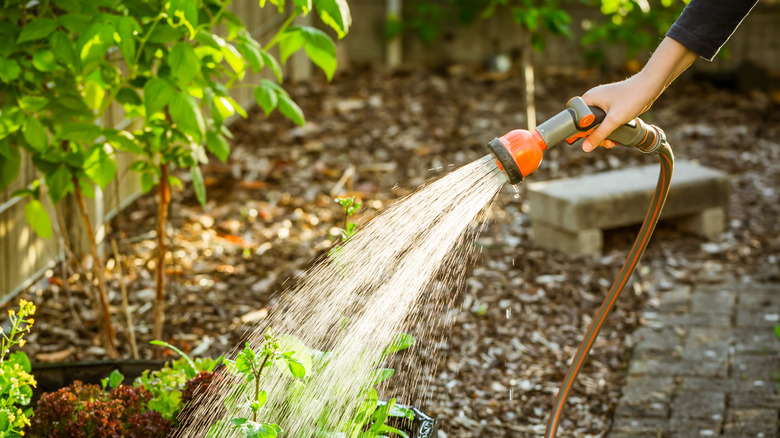
A garden waits for no one. That means you'll need to be up and working in the morning to care for your garden, especially when the weather is hot. Always water your garden in the morning. "The cooler temperatures in the early morning are ideal for watering. It's best to avoid the full sun and high temperatures it brings to ensure the water soaks into your soil before it evaporates," Martha Stewart told Miracle-Gro.
If you wait to water until the sun is high, much of the water will evaporate before it reaches your plants' roots. This means that you won't waste as much water when you care for your garden in the morning. Your plants will also have more time to soak up the water you give them.
Prune during the right seasons
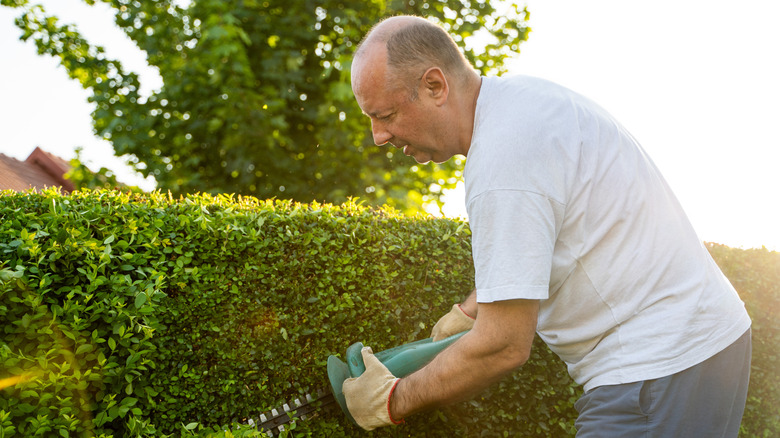
Learning when to prune your plants is an essential part of gardening. "Small pruning jobs can actually be done safely in summer and won't stress out the plantings," Martha Stewart explained on her blog. This means that you can clip off stray branches and stems without harming your plants. Make sure to take care of any broken branches or leaves with signs of disease on them as you prune.
"I do bigger pruning chores in winter when the trees are dormant," Stewart added. This is when you'll really have the ability to shape your garden. Losing branches won't add much stress to your plants when they're dormant, so trim them away before spring arrives again.