

Martha Stewart's Top 16 Tips For Growing Flowers
We may receive a commission on purchases made from links.
All hail the patron saint of flower gardening, Martha Stewart. In addition to cooking, organizing, and any other home-related project you can think of, Martha is one of our favorite go-to people for advice on how to keep our gardens blooming longer. But, it can sometimes be difficult to figure out how someone can be a mini-Martha when they feel like they missed the day when "green thumbs" were passed out.
That's why we went straight to the source and found 16 amazing tips from Stewart's personal blog for how to grow flowers without driving yourself crazy. We'll dive into what makes her advice so helpful and give you a few tips for how to implement it once your last frost date is in the rearview mirror. Whether you're just starting out or are a seasoned pro, you're bound to find a new tip to try below. So, grab your grid paper and colored pencils, because we've got a flower garden to plan.
Plan accordingly and be patient with hydrangeas
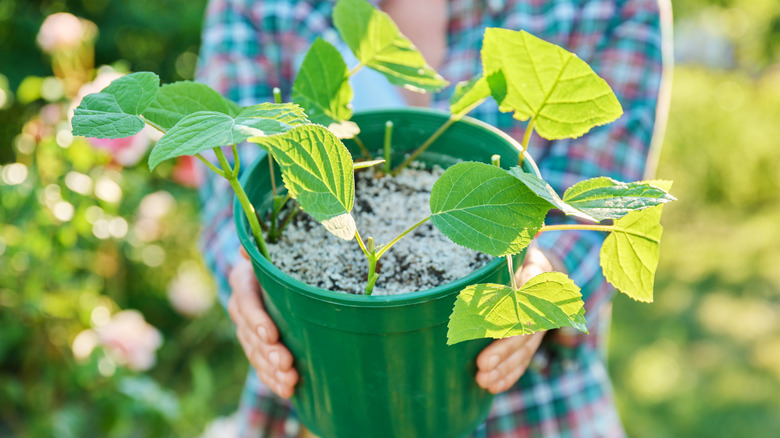
Hydrangeas are one of the best flowers to grow if your soil is a little on the acidic side. Those amazing, colorful blooms can last for a long time through the growing season, as long as they've got enough space to spread out. Martha Stewart's a big fan of planning your hydrangea planting space for the long-term and, of course, managing expectations. "It's always important to do research before planting. Make sure to consider the plant's mature size and light needs when selecting a space. And remember, perennials grow slowly the first year, faster the second year, and then usually reach full size in the third year," she wrote.
If you're planning to grow hydrangeas then it's a good idea to know which species you're dealing with, as both the mature sizes and pruning recommendations vary — specifically you'll need to know the difference between "old wood" vs. "new wood." In terms of size, the largest hydrangeas are panicle hydrangeas (Hydrangea paniculata), which max out around 25 feet, while the smallest are dwarf varieties, which are usually hybrids that only grow around 4 feet square. All hydrangeas need full sun, though some can handle partial shade; check the plant's grow tag for specifics.
Water your flowers in the morning
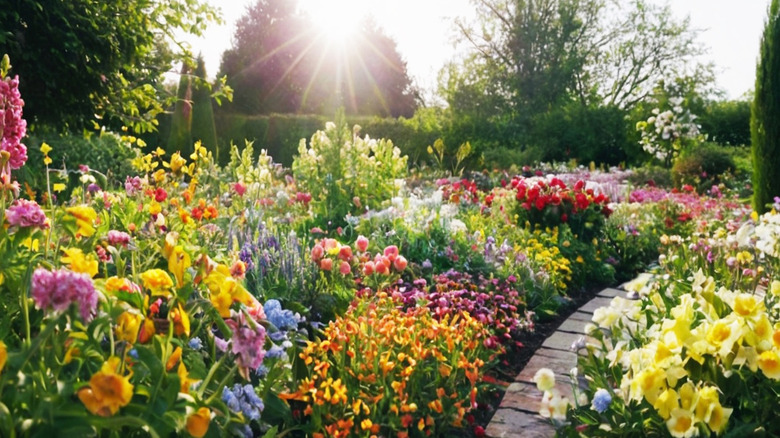
We know this is a tough one for night owls, but believe us, the time of day you water your garden matters, and Martha Stewart agrees. As she said on a recent TikTok, "Early morning is the optimum time. The plants will respond extremely favorably and the plants will grow beautifully. Remember: a.m., water. p.m., go to bed." So set that alarm, because your flowers need a good morning soak.
But why is that? It comes down to transpiration, which is the word used for the evaporation of water from leaves. The more time your plants have to get rid of excess water, the lower the chance that your plants will attract moisture-loving diseases and pests. Plus, it also helps prevent rot from overwatering, especially if you water deeply. However, if the morning just isn't a possibility, that's okay; just be sure to aim for the soil instead of watering overhead, so that the water goes where it needs to and doesn't hang out too long on the leaves and flowers.
Always check your bulbs before planting them
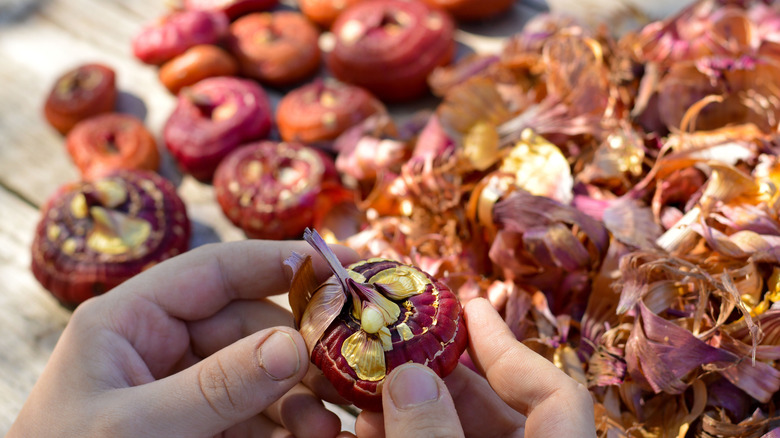
Sadly, rotted bulbs can't produce beautiful blooms, so it's important to check them before getting them in the ground. As Martha Stewart breaks down, "Any kind of bulb should be firm and free of soft spots or visible rot. Check for signs of disease, cracking or other damage, which may cause the bulb to rot in the ground. The brown tunic, or outer skin protects each bulb's bottom or basil plate. One can peel it off, or plant as is."
Keep in mind that bulb rot isn't just a thing for new bulbs, bulbs that you've overwintered inside can end up rotting, too, if they're not carefully wiped clean of soil and moisture before storing. The best way to check your bulbs is to give them a little squeeze; if they feel firm, then move onto the next step. If they squish, that's a telltale sign your flower bulbs have gone bad. Next, peel back the skin and take a look at the coloring. Good bulbs will, well, look good with supple, whitish insides, while bad bulbs will be brown and may have a bad smell.
Know the best time and space to plant tulips
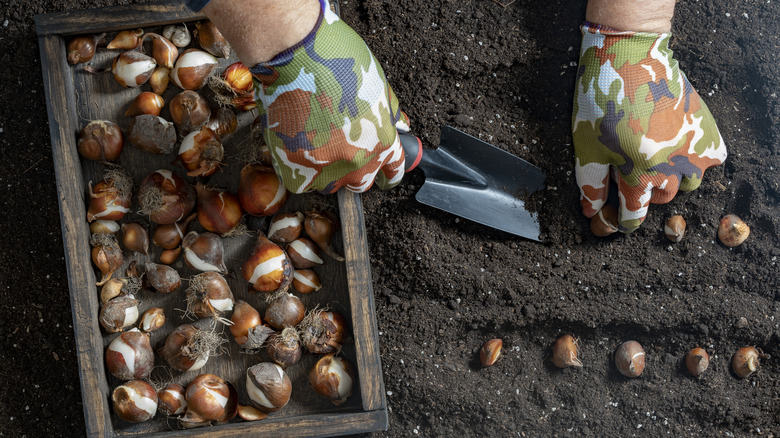
Some people think that early spring is the best time to plant tulip bulbs. But as Martha Stewart explains, it's actually in the fall right before the first frost. "If you're planning to have beautiful tulips blooming in your garden next spring, get your bulbs planted [before the first frost]." She continued, "As a rule of thumb, bulbs should be planted about three times the height of the actual bulb ... These tulips should also have space between them to promote healthy growth and blooming."
Tulip bulbs do best when they're planted in cool climates and have a chance to overwinter in the ground. As Stewart said, make sure you plant the bulbs three times deeper than they are tall, so that they're protected from the cold weather. Also, tulip bulbs tend to rot in overly-moist soil conditions, so plant them somewhere that's well-draining or add some organic materials to relieve your flowers of excess moisture so they can thrive.
Use natural fertilizers for peonies
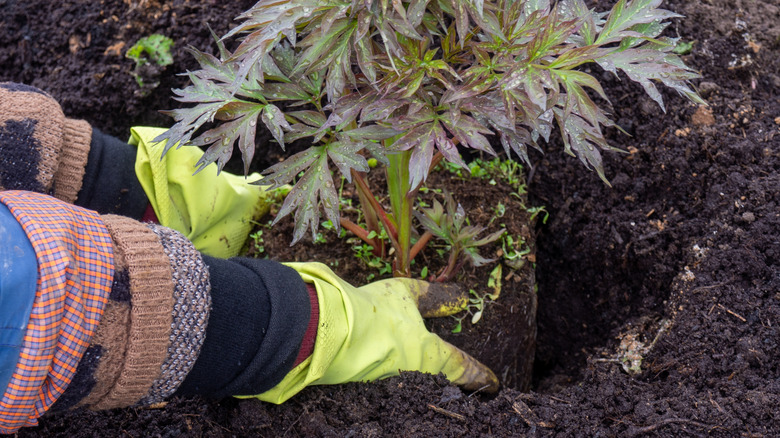
Peonies are fantastic flowering shrubs for cooler regions that need a perennial pop of color. Overall, they're a hardy plant, but they do need the right setup to stay happy. Martha Stewart's got the details: "One of the reasons these peonies thrive here at my farm is because of the soil. It has a pH of 6.5 to 7.0, which is ideal. It is also amended with superphosphate and Azomite, a natural product mined from an ancient mineral deposit in Utah. These natural additives improve root systems and overall plant vigor, resulting in this fantastic profusion of blooms."
In addition to using natural fertilizers and infusing the soil with additives peonies love, you also should make sure the crown doesn't get buried when you plant, as that can make it harder for the shrub to push out new flowers. Also, don't worry if Stewart's additive picks are hard to source in your region; you can find bloom-bursting natural fertilizers right in common household items.
Do some research before buying azaleas
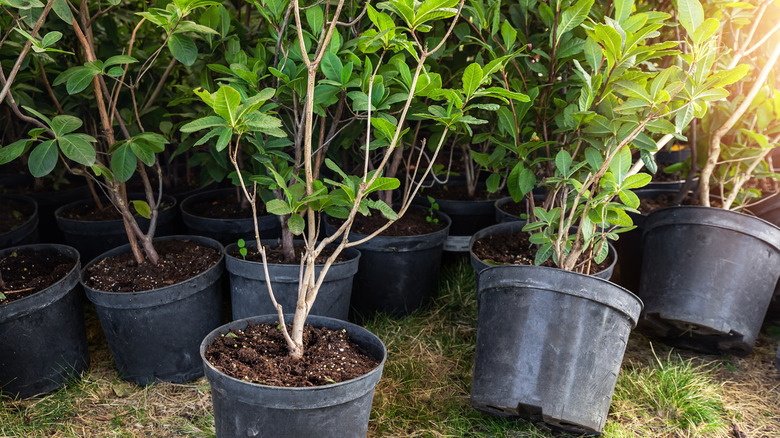
If there's one thing you can take away from Martha Stewart's gardening wisdom, it's that impulse purchases of flowers can cause more trouble than it's worth. If you've got the right soil for azaleas, then take a tip from Stewart and become an informed buyer by learning how to spot healthy azaleas. "The best time to shop for azaleas is when they are in bloom, so one can see their bright colors and forms. When buying azaleas, always select plants that are sturdy, well-branched, and free of insect damage or diseases. And, avoid plants with weak, spindling growth and poor root systems," she said.
Azaleas have very specific growing requirements that can be problematic for even the healthiest plant if not met. First, they need acidic soil with a pH of around 4.5 to 6. Next, they need dappled shade and soil that stays on the moist-but-not-waterlogged side. For gardeners who don't have the time to deal with something so fussy, you may want to automate your plant watering by installing a drip irrigation system. We like the Breeze Touch Automatic Drip Irrigation System because it comes with a solar panel and timer, so it's as hands-off as you can get.
Mix up your garden beds for more color
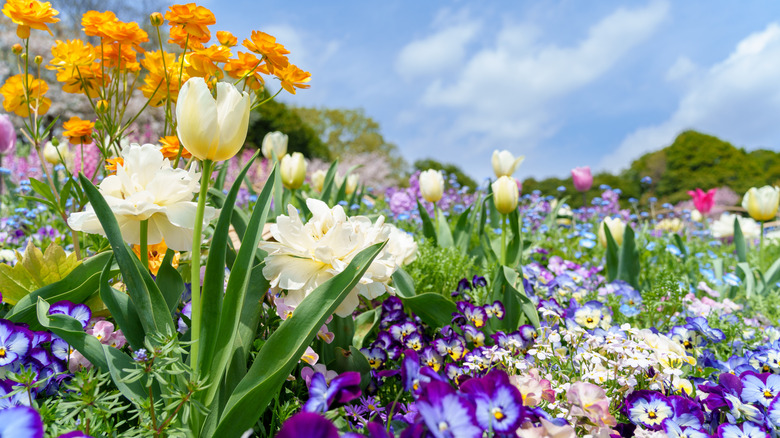
Sure, we all have our favorite colors and flowers. But as Martha Stewart says, it's worth it to make your garden as colorfully dynamic as possible. "My long daffodil border is broken up into various groupings — different varieties, different shapes and sizes, and different blooming times. This provides a longer splash of color through the season."
It's typically a good idea to mix different flowers into one space to increase your bloom season. However, one of the best reasons to diversify is that different plants have different immunities, so if your garden gets an outbreak, there's a chance that not all of your flowers will be lost. But, if you're dead set on a certain type of flower, then consider peppering in a few hybrid varieties. Hybrids are typically created with different colors, bloom seasons, and to withstand pests or diseases that their naturally-created cousins aren't.
Don't dig until you're happy with the look
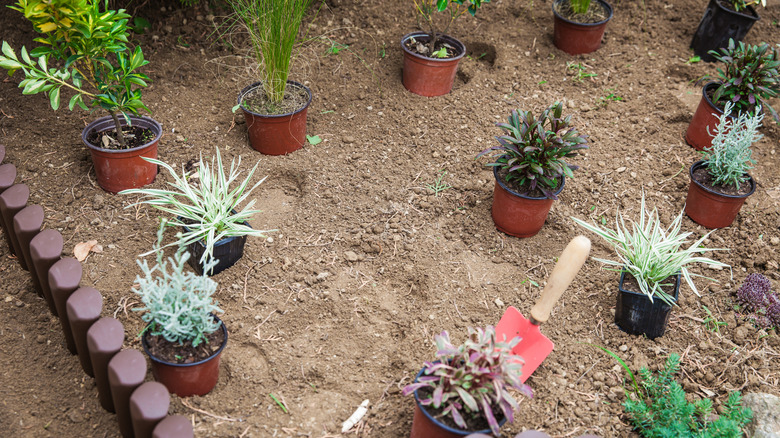
Let's say you did your research and planned your garden out just so, then went and picked up all of your new plants. Take this excellent tip from Martha Stewart and do one more thing before digging in: "It's always a good idea to position the potted plants first before planting in order to visualize best locations and experiment with design layouts."
One of the reasons we love this tip so much is because it gives you a better idea of how your flower garden is going to actually look. You can plan it on graph paper or an app, but until you actually see the setup, you won't know what changes need to be made. Set up your plants while they're still in their nursery pots in their planned spots, then watch the sun. Do any of the taller plants block light for the smaller flowers? Are there plants that you had up front that might need to go in the back, instead, because they're toxic to pets? It's way easier to rearrange potted plants than it is to dig them up, so give yourself time to double check everything before breaking out the shovel.
Use the plant pot as a guide for how big the hole should be
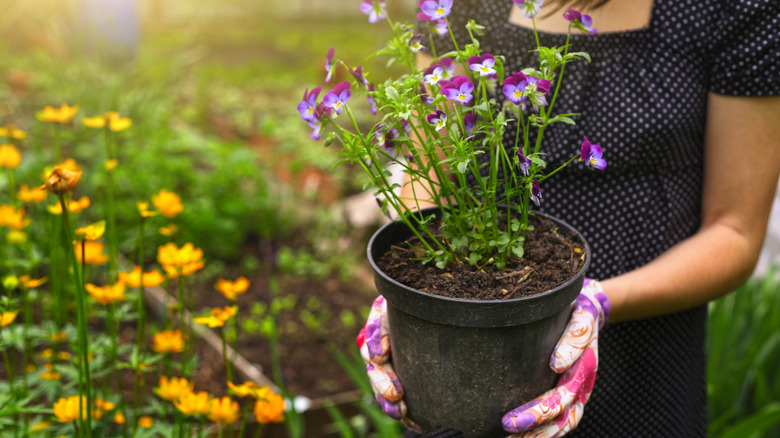
Okay, we're going to be honest — we never considered this idea until Martha Stewart told us. This one is going to save you so much time and effort, because it stops you from guessing how big your holes need to be. "Once the holes are dug, the potted plants are placed into them to ensure they are the right size," Stewart stated.
How many times have you dug a hole for a plant, taken the plant out of its pot, plopped it in the hole, and realized it's too shallow or small? Us, too, which is why we think the idea for using the nursery pot as your guide is so brilliant. Of course, you'll want to take the plant out of the pot to actually plant it, but using the pot as a depth guide ensures your hole is just right and that your new flowers won't be buried too shallow or too deep.
Document how your garden does each year with photographs
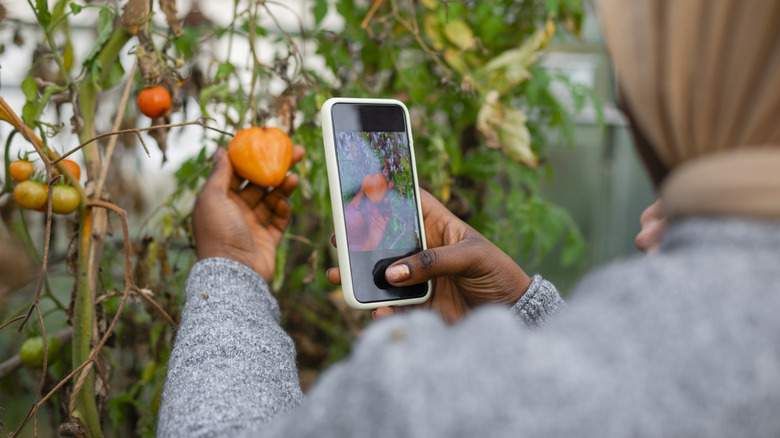
You may have a photographic memory, but there's a lot to keep track of in a flower garden. So take this tip from Martha Stewart and break out the camera to help you remember. "I take stock of my daffodils every year to see what is growing well and what is not, so I can learn what to remove, where to add more, and what to plant next. Taking photos when an area is in bloom helps to remember those areas."
Allow us to officially give you permission to fill your phone's camera roll full of flower garden pics. Having those shots will help you remember the layout for next year, which is great for when you need to dig up bulbs that are too delicate to overwinter in the ground. Plus, you'll also have a record of what thrived and what didn't, so you can rework things and give your garden a fresh new shot come spring.
Opt for flowers that will naturalize for easier gardening
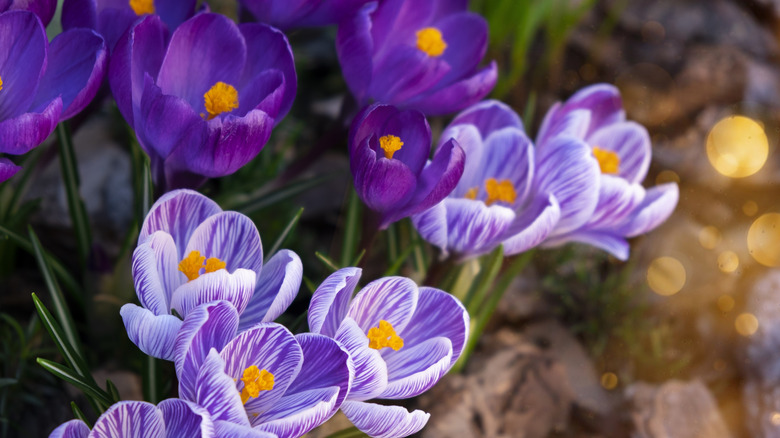
We know that there are some beautiful annuals out there that can make any garden look like it's professionally-designed. But maybe it's better to pepper those in-between naturalized perennials, rather than going all-in. As Martha Stewart says, using naturalized flowers will take less time to care for and make pollinators happy. "Many spring-blooming bulbs are characterized as 'good for naturalizing,' meaning they will self-seed, multiply, and come up year after year, spreading informally throughout the landscape. Among them — daffodils, croci, Galanthus, Puschkinia, Eranthis, Chionodoxa, Ornithogalum, and others. These naturalizing flowers require minimal care, attract pollinators, and enhance the overall ecosystem. I plant thousands of naturalizing bulbs every autumn and what comes up every spring is breathtaking."
"Naturalized" is a term gardeners use for plants that aren't native to the area, but are able to thrive and reproduce on their own anyhow. Keep in mind that this can also relate to invasive plants, so be careful and only select flowers that can be controlled. The easiest way to get your garden to naturalize is just to let it do its own thing and reseed. Then, you can either leave the seeds to fall to the ground or collect them before they fall and save them for next year's planting schedule.
Stay on top of your seedlings
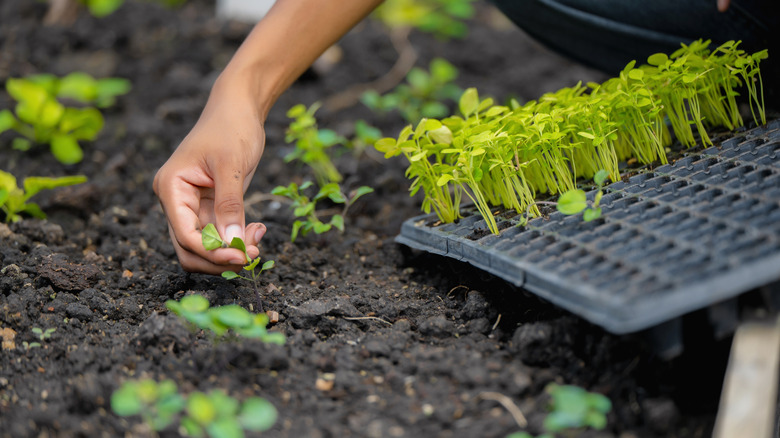
If you're getting your seedlings ready for their spring debut, then don't slack on your plant chores. As Martha Stewart says, this is the most crucial time to be a helicopter plant parent. "Once seedlings start to develop, it's important to keep up with maintenance care — thin out seedlings that are weak, prick out those that are growing too big for their seed starting trays, and transplant them into larger pots and flats."
You can do this by monitoring your seedlings as they take root. Thinning out seedlings might feel like a waste, but it's the best way to ensure your garden thrives. Also, learn the difference between cotyledons (which are not true leaves) and actual true leaves, as they're the key to timing successful transplants.
Store soil in plastic bins or buckets
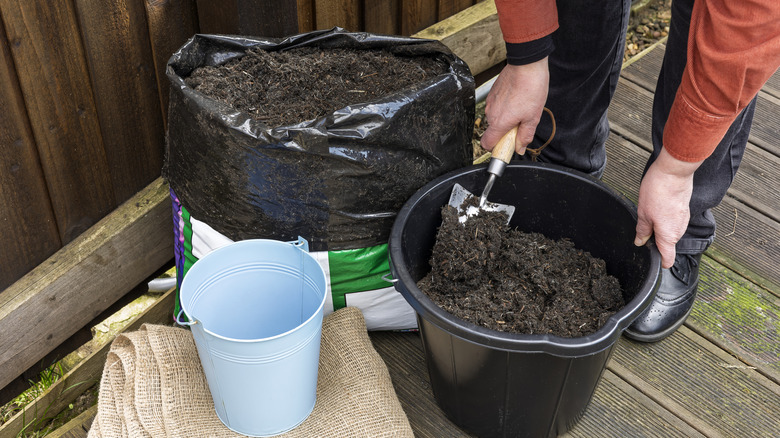
Those opened bags of soil in your shed could be a problem, as critters looking for a burrowing spot can find them before you notice. But, Martha Stewart's got a solution that keeps your soil safe and makes it easy to manage. "Because we seeds so many trays, I like to keep a goodly amount of potting mix in the head house ready to use. I store soil mixes in large stainless steel bakery ingredient bins — so durable and useful," she writes.
Steel bakery ingredient bins might be hard to come by, we know. Luckily, those 5 gallon plastic buckets with lids from your local big box hardware store are perfect for stashing leftover soil. Not only are they easier to transport, thanks to their handles, but they also make mixing soil a breeze. So, if you're someone who likes to add goodies to their soil blends or recharge leftover soil with additives, toss out the bags and opt for bins or buckets instead.
Don't forget to fertilize
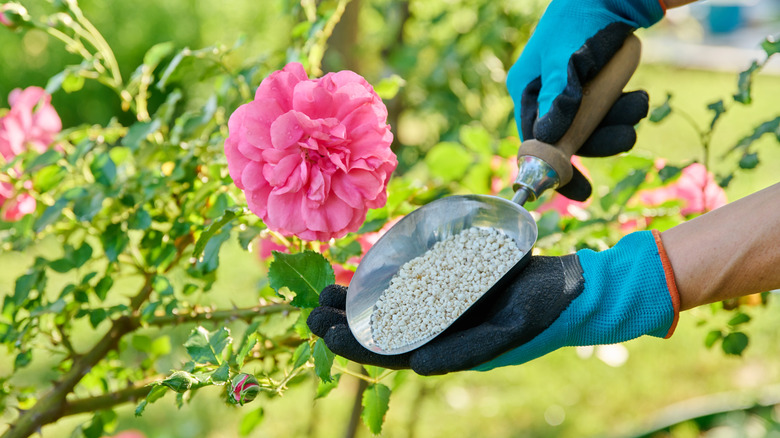
Sometimes, there's advice that's so simple-yet-wise that there's not much more we can say. Fertilizing might feel like an extra step, but it can make a huge difference for your flowers. Take it from Martha: "I always say, 'if you eat, so should your plants.'"
Some people shy away from fertilizing their plants because it can feel overwhelming. All you need to do, really, is get a balanced fertilizer — we like Jack's Classic 20-20-20 All-Purpose Plant Food — and add a scoop to your watering can once a month during the growing season. Just leave your flowers alone when they're about to go dormant. You can get more granular with it, but we always recommend starting with the simplest method and learning as you go. Maybe next season you get something with a little less nitrogen, but that's future "you-with-more-experience" chore, not yours.
Just getting started flower gardening? Try hellebores
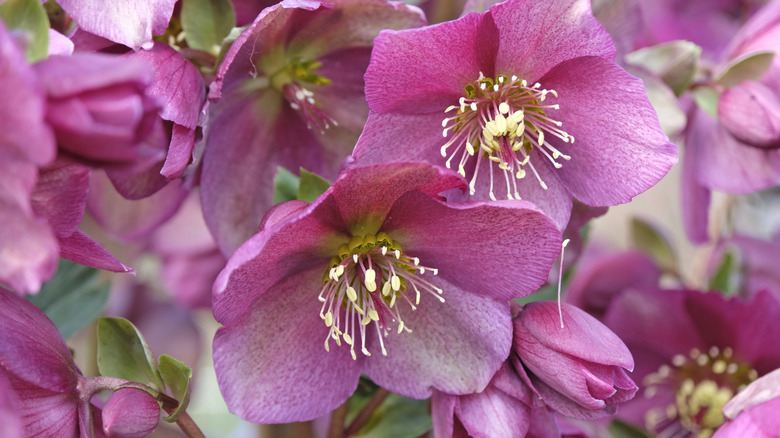
Need something that packs a floral punch but isn't too demanding? Martha Stewart recommends hellebores or lenten roses. "I've had hellebores in my gardens for many years, and I find it so rewarding to have blooms that start in March, and continue through spring until the end of May — to me, hellebores are must-haves for any gardener's collection." She continued, "Hellebores are widely popular because they are easy-to-grow and are able to resist frost. It is common to plant them on slopes or in raised beds in order to see their flowers, which tend to nod."
Growing hellebores isn't hard. You just need soil with good organic material, good drainage, and partial shade. Plus, they stay pretty compact — around 12 to 15 inches when mature — so you can mix and match their colors and look like an experienced landscape designer without the trial-and-error.
Don't balk at alliums because they're more than just onions!
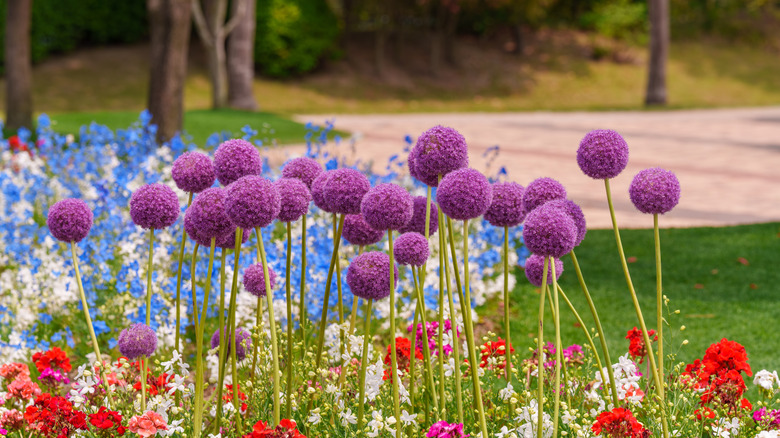
You may think alliums are just garlic and onions, but there are blooming ornamental types, too, that are worth growing. Martha Stewart herself is a big fan: "I grow so many alliums here at the farm and they continue to bloom so beautifully interspersed with other blooms. These easy-to-grow bulbs come in a broad palette of colors, heights, bloom times, and flower forms. They make excellent cut flowers for fresh or dried bouquets. What's more, alliums are relatively resistant to deer, voles, chipmunks, and rabbits," she noted.
All alliums — culinary and ornamental — are part of the Amaryllidaceae family and typically do well in full sun, though they can handle partial shade if that's all you've got. They need well-draining soil that's full of organic materials. Plus, there are ornamental alliums that are native to the northern hemisphere, so they're perfect for native flower gardens that need a little height in their displays.