

These Wi-Fi Routers Are Unsafe, According To The FBI
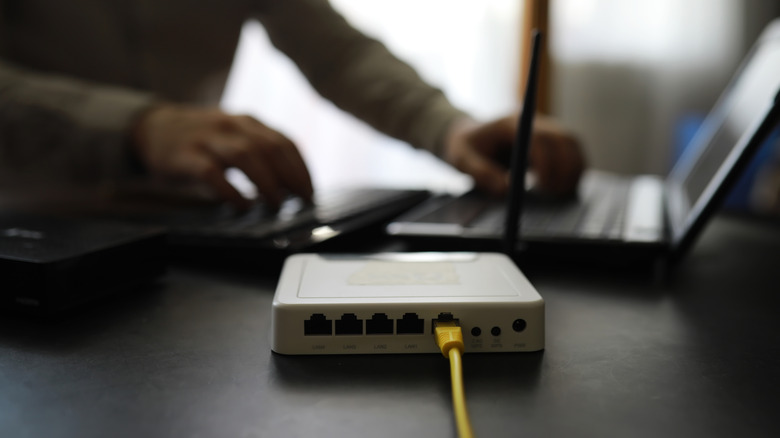
If your Wi-Fi router is well over a decade old, it can pose a significant risk to the security of your home. In an advisory released in May 2025, the Federal Bureau of Investigation listed out the names of 12 outdated internet routers that are no longer supported by their manufacturers and, therefore, easy targets for cybercriminals. The list includes the following devices: E1200, E2500, E1000, E4200, E1500, E3000, E3200, WRT320N, E1550, WRT610N, WRT310N, and M10. The first 11 models are the Linksys brand, while the last is Cisco's.
Granted, there are ways to make use of an old Wi-Fi router, but there comes a point of diminishing returns. All the routers above deemed unsafe by the FBI are end-of-life (EOL) routers that are no longer manufactured or supported by their vendors. They don't receive any firmware, software, or utility updates. These routers also don't receive security patches to fix their vulnerabilities, and they are no longer certified for use.
If your router is dated 2010 or earlier, the likelihood of it being susceptible to compromise spikes up significantly. Unfortunately, cybercriminals are extremely aware of the possibility of such routers still being in use. They can exploit the vulnerabilities present in end-of-life routers to install malware and launch cyberattacks.
Outdated Wi-Fi routers can fall prey to a botnet (or get sold as proxy services)

Cybercriminals can use your EOL routers to form a botnet. Botnets allow malicious agents to control an entire network of devices. The bot-herder — the party in possession of control over such devices — can use this network to launch a coordinated, large-scale cyberattack. The scale of this attack is beyond the possibility of a single device. The FBI has particularly identified variants of TheMoon botnet in operation with such routers, which also allow the perpetrators anonymity.
Attackers can also use EOL routers to sell proxy services. Proxy services can be highly convenient for attackers: They allow them to mask their fraudulent activity by using the IP address (every machine has one assigned by its hosting provider) of a compromised device. As a result, there is less chance of malicious activities being detected or blocked or the origins of a cyberattack being identified. For instance, someone might get blocked for using an American credit card on a European IP address. However, if they have access to a residential IP address in the U.S. (via proxy services sold by cybercriminals), the transaction is more likely to be executed without detection. The FBI has particularly identified 5Socks and Anyproxy networks selling these proxy services.
Identify (and update) your old router to mitigate risk of cyberattacks
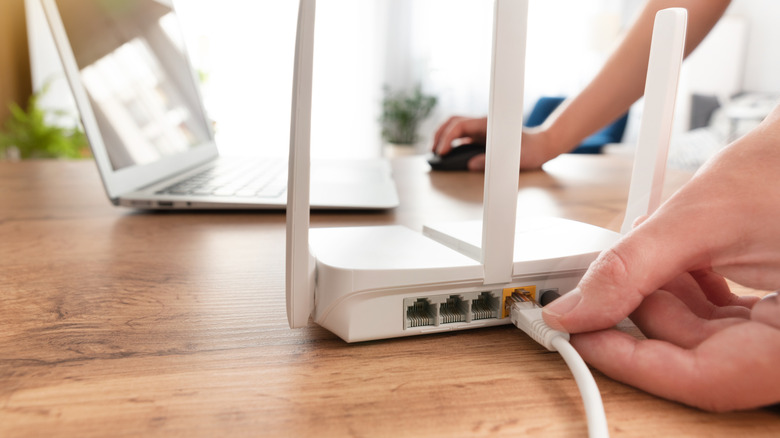
If you have an end-of-life Wi-Fi router, immediately replace it with a new and updated device (just don't make these mistakes when buying a new one). This will make your home Wi-Fi safer and prevent hacking. If you're unsure if your current router is compromised, there are some tell-tale signs to look out for. According to the FBI, if you find your device overheating or discover some new unrecognizable changes to administrator settings, you should immediately take notice.
You can also take some further steps to ensure protection. Make sure the remote management feature is disabled on your router settings. This feature is a major point of vulnerability on outdated routers. Using this pre-installed feature, cybercriminals can install their own software on your router and gain permanent access. In fact, even if this feature is password protected, in case of EOL routers, cybercriminals are able to breach authentication. Nonetheless, you should still set strong, unique passwords to fortify your devices as much as possible — use a minimum of 16 characters for your password and a maximum of 64. If you sense something fishy, immediately install any available firmware updates, update your password, and reboot the device.