

15 Annoying HOA Rules That Really Do Benefit The Neighborhood

If you live in a neighborhood with an HOA, you've likely found yourself on the wrong side of its regulations once or twice — whether or not you actually deserved this. However, many of these annoying HOA rules really do benefit the neighborhood. An HOA in real estate, or homeowners association, is a community-based governing board that maintains certain property standards. When you open a violation notice from your HOA, you might not feel that great, but a closer look at the why behind each one reveals how much they actually do help keep things livable.
For example, sure, it's annoying when you're the one getting called out for a party that's too loud or a paint color that doesn't fit the community guidelines; however, when you're trying to sleep in, or sell your house, or simply enjoy inhabiting it, the value of guidelines that maintain curb appeal and community cohesion become clear. These are a few of the most widespread HOA regulations and how they really do improve things.
Maintaining lawns and landscaping keeps the neighborhood looking attractive
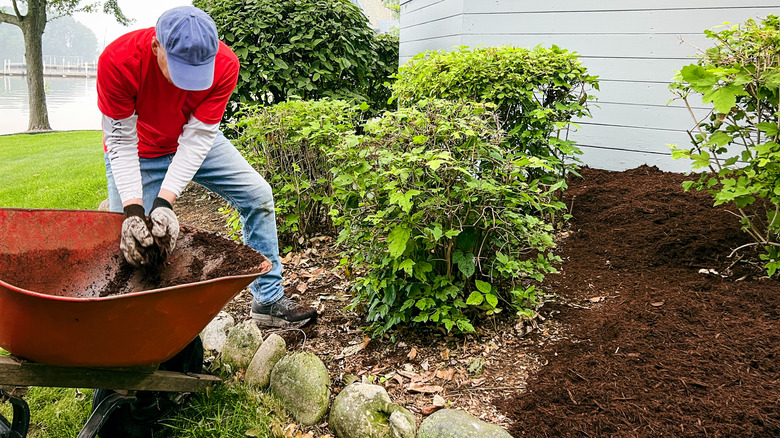
When you get a letter from your HOA about your grass height, it can be annoying — especially if you feel like you take very good care of your lawn, thank you very much. The same can be said for flowerbeds overflowing with weeds or bushes that are in desperate need of trimming. Or, maybe it's just a few weeds, and you trimmed back the bushes two months ago, but you still think they look just fine.
No matter the reason for these annoying letters, there is sound logic behind them. HOAs require that your lawn be mowed and your landscaping be kept up with to maintain curb appeal. Having good curb appeal is directly tied to having higher property values, with some in the field suggesting a well-maintained exterior can bring you more than 10% extra when it's time to sell. So your lawn impacts the value of your neighbor's home, and vice versa, making these landscaping rules essential for everyone.
Prohibiting parking cars on lawns maintains curb appeal

A member of our team once parked her truck partially in her yard while mulching her flowerbeds. Since the bed was full of dirt, she thought parking this way was an excellent way to save herself some labor, instead of walking all the way back to the driveway each time. She went inside for lunch, but a few days later received a letter informing her that parking on the lawn was strictly prohibited in her neighborhood, and the behavior was to cease immediately. Strict language for a seemingly small act, but HOAs are very serious about where residents are allowed to park.
The social consensus is that parking vehicles on the lawn when paved options exist nearby is trashy. It gives the appearance that the homeowner doesn't care about their property and maintaining its value, so even by appearance and assumption alone, values can be pulled down. The same goes for cars anywhere they're not supposed to be, or for too long as well, like abandoned or rusted-out vehicles sitting in the driveway or on the street. So prohibiting these things helps keep standards high.
Limiting excessive noise promotes a more peaceful living environment

Different neighborhoods have different regulations as to what constitutes excessive noise. Some might have exact decibel levels specified for an infraction, while others have hours of the day set aside as designated quiet hours, such as after 10 p.m. There is also some overlap with noise complaints with local city ordinances, making it one of the differences and similarities between HOA rules and city regulations.
These rules seem annoying when you are on the receiving end of them. Your party wasn't that loud, after all. However, when you're the one with a baby who is a light sleeper, or you're trying to enjoy your Sunday morning lie-in, you will be glad they are enforced. So when your neighbor turns down their music or moves things inside after 10 p.m., or isn't out before 7 a.m. mowing their lawn, it's your turn to benefit from these rules — which is why all HOAs tend to have them.
Regulating the presence and behavior of pets keeps a safer community

HOAs often have rules about the presence and behavior of pets, which can be annoying at times for owners. Cleaning up a dog's waste, even with scented bags, can be gross and you might be tempted to leave it if nobody is around. The same might be said for any damage caused to property by your animal. In addition to these rules, HOAs also occasionally restrict the weight and breed of the animals allowed on property, such as no pets over 20 pounds, or no breeds commonly thought to be more "aggressive." If you own one of these breeds or have a larger pet, these rules can be very annoying.
Yet, they do tend to benefit the community, because nobody wants to have dog poop in their yard. So, encouraging owners to remove waste from the neighbor's properties and public spaces in the area maintains a cleaner environment overall. Weight restrictions often apply in condominiums or townhouse complexes in an effort to make the most of all available space and prevent aggressive encounters in close quarters — even if it is just your friendly golden retriever jumping up in the hallway to greet a neighbor. Although unfair to some, breed restrictions exist for community safety to make incidents of attack less likely.
Setting guidelines for exterior home maintenance ensures houses don't fall into disrepair
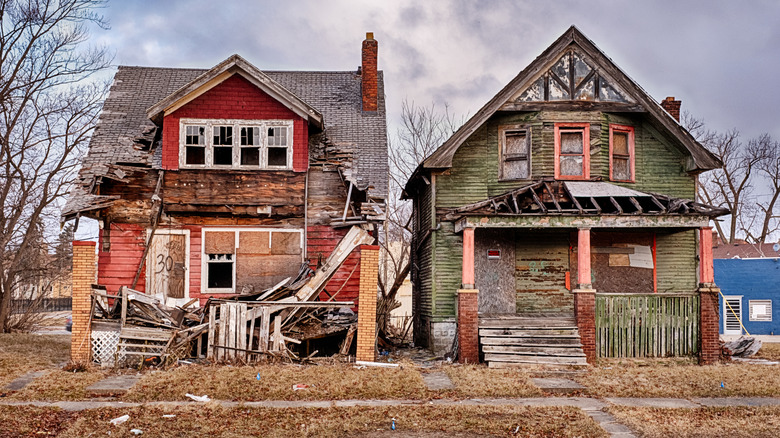
HOAs typically make rules governing the exterior appearance of your home. You will receive citations if your paint is peeling, your siding is cracked, or your roof is looking a little bit worse for wear. These notices can be extremely annoying because typically, you are well aware of the maintenance issues facing your property. Perhaps you just haven't gotten around to them yet, or just need some tips for hiring a home remodeling contractor, because you haven't found a good one for the project just yet.
Whether your definition of disrepair is as extreme as your HOAs or not, when it comes to the houses around you falling into it, these rules actually serve to protect you. Having street after street of well-maintained homes increases the overall property value of the area. "If a house is in worn condition and shows a lack of preventative maintenance, the property could easily lose 10% of its appraised value," Mack Strickland, a professional appraiser and real estate agent, told Homes and Rentals. "That could translate into a $15,000 or $20,000 adjustment." If too many homes in a neighborhood look run-down, it could drive buyers away, which hurts everyone.
Requiring approval for paint colors, roofing materials, and siding keeps cohesion

HOA regulations that restrict your creativity during your home improvement process might really seem like overkill. Some communities make you submit things like paint colors for siding and shutters, roof tile samples, and even bricks for approvl, depending on your area and the historical status of your home. Abiding by the rules can be very annoying, especially when you've spent hours researching and planning, only to have your selections rejected by the committee. To avoid this, you can always pick one of the best exterior paint colors that will help sell your home fast.
However, these rules will come in very handy when they prevent your next door neighbor from painting their house lime green. Or choosing painted white bricks for their home, when every other property on the block is a rusty red and brown, making it stand out like a sore thumb. These kinds of strict aesthetic requirements protect the community by creating a sense of visual cohesion. When there are no major outliers, property values remain steady because of the lack of eyesores around every corner.
Regulating the placement and size of fences avoids blocking sightlines and irritating neighbors
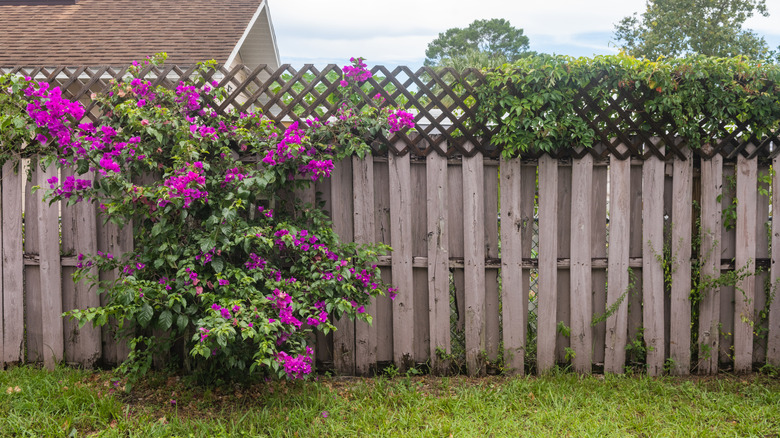
Building a new fence can be tedious, as there are lots of legalities involved on top of HOA rules about the materials, height, and placement. You have to be careful not to encroach on your neighbor's property line, nor block their view of something important. And you have to decide who pays for it. There are plenty of fencing rights you need to know before your neighbors take advantage. And just when you think you've figured it out, HOA regulations can add another layer of restrictions that make the whole process feel even more complicated.
In this instance, HOA rules about fencing protect the community, because they attempt to get ahead of common conflicts, saving everyone involved the hassle. Once your sightline isn't blocked by your neighbor's extra-tall fence, or do you don't have to stare at a chain link option in a neighborhood filled with typical wood (nor deal with an angry neighbor about a perceived slight you've done to them, either), you will be happy about the restrictions, too.
Prohibiting the storage of junk in yards maintains curb appeal
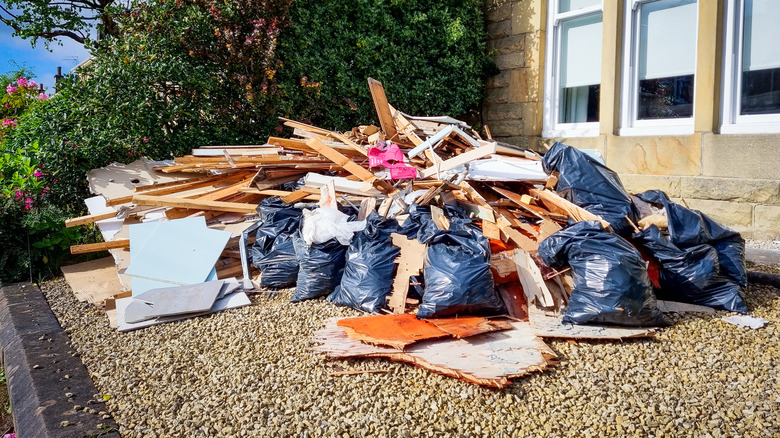
You and your HOA might disagree over the things in your yard being junk. To you, sure, your trampoline is older, but your kids still love jumping on it. Or the older car you fix up on the weekends sitting in the side yard is a project, not a blight in your eyes. Rules around what's allowed to be left out long-term can feel very restrictive and annoying, especially if you have a lot of outdoor toys or projects.
However, looking at junk is visually unattractive for neighbors. Much like parking cars in the yard is seen as trashy, so is having an old refrigerator or rusted-out bicycles littering the same space. HOA rules around storage benefit the community, because it prevents these kinds of eyesores. Plus, if your neighbors have a lot of junk in their yards, this can decrease your property value by up to 20%! On a $350,000 house, that would knock $70,000 off your purchase price — that's quite the pretty penny.
Requiring the maintenance of dead or dying trees prevents a safety risk if they fall
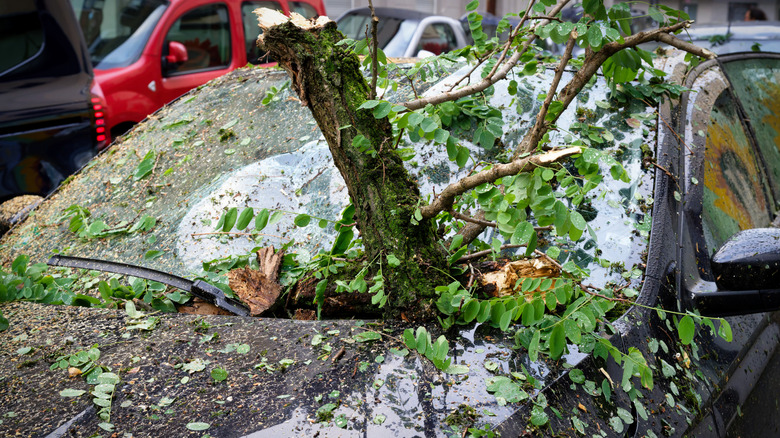
Many HOAs have rules that require dead or dying trees to be trimmed back or removed completely. For homeowners, this can feel like an expensive and inconvenient demand, especially when the tree still looks salvageable or the issue doesn't seem urgent. Hiring a professional to assess or remove a tree isn't cheap, and the timeline set by the HOA can add pressure when your budget is already tight. Plus, you might also just really like the tree! It can be frustrating to lose a mature tree that adds shade and privacy to your yard.
Yet, these rules are very practical. They are to make sure that no harm comes to your house or car, or that of your neighbors. Trimming back dead or dying trees also keeps you and your community safe, as falling limbs can cause significant damage. For example, in the 1980s, an oak tree fell on a Texas politician, paralyzing him from the waist down. This resulted in a multi-million dollar lawsuit against both the homeowner and the tree-trimming company. HOA rules ensuring this maintenance happens early and correctly can prevent these tragedies, benefiting the community overall.
Limiting short-term rentals can help maintain a more stable community
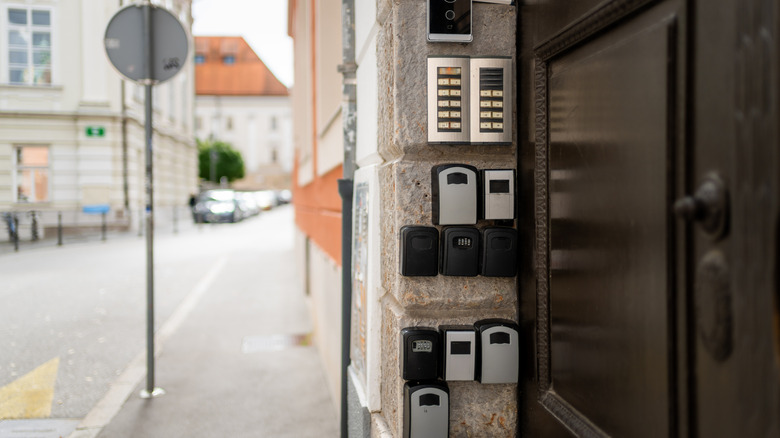
If your HOA has rules against subletting your apartment or renting out the place you own on vacation rental sites like Airbnb, it's easy to get annoyed. After all, this is limiting your ability to earn money on a space in your home that would otherwise just sit empty. This can be especially annoying if you don't live in a city or county that has outlawed the practice on that level. So your neighbors in other nearby communities might be able to take advantage, while you can't.
These rules do benefit the neighborhood, however, as they encourage owner-occupation rather than people buying to simply turn the home into a vacation rental. This makes the housing market more accessible to locals. It also provides a way to build more community. This way, you can get to know your neighbors, or at least know who they are. New people will not be cycling through all the time and treating the building or neighborhood like a hotel.
Requiring homeowners to keep trash bins out of sight keeps things less ... trashy

When you and your neighbor are in a war over your trash cans, the HOA rule requiring them to be stored correctly can feel like the most annoying thing in the world. You get reported for not bringing them in on time because you went away for a work trip, or not storing them correctly because they can be seen from the street, or even for having them out too early when you get the days mixed up. When it's you on the receiving end, the nonsense can feel never-ending because you have bigger things to worry about than trash cans.
When your neighbor's trash isn't blowing across your lawn because they put it out too soon on a windy day, however, you will feel thankful for these rules. When you don't have to look at their overflowing bins from your front window, or come face to face with waste as you get your mail, things also start to make more sense. People keeping their bins stored (except on bin days!) means everything looks nicer (and is less smelly) overall.
Requiring homeowners to maintain their sidewalks keeps them safe and accessible
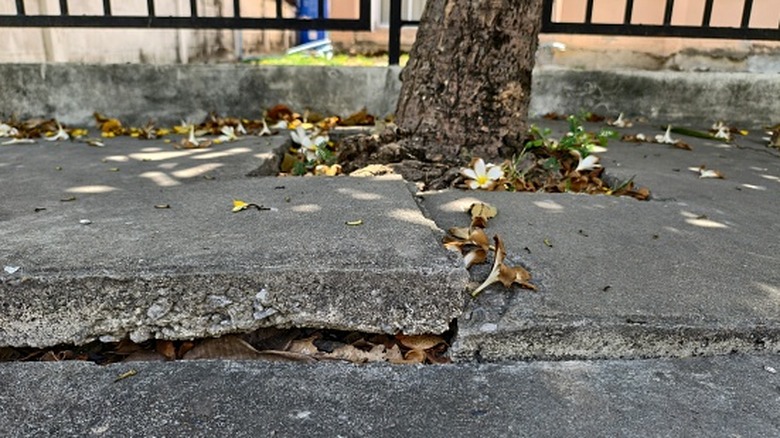
This is a big debate: Are sidewalks the HOA's or the homeowners' responsibility to maintain? And the answer is, it depends. While your HOA will maintain the paths in common areas, the sidewalk in front of your house is your responsibility. So even if tree roots break up the sidewalk and make it impassable, it's still your responsibility to fix it. This can be annoying because you're now responsible for damage you didn't directly cause. Plus, the repairs can be time-consuming and expensive.
Keeping sidewalks safe and passable, however, massively benefits the community. Many of your neighbors, and even yourself at times, rely on sidewalks to be safe. People walking dogs, wheelchair users, and parents with strollers shouldn't have to navigate uneven or cracked concrete and risk falling, or make their way into the street, to get where they are going safely. Everyone deserves access to a smooth and accessible path.
Restricting commercial signage or advertising keeps your area from becoming a billboard
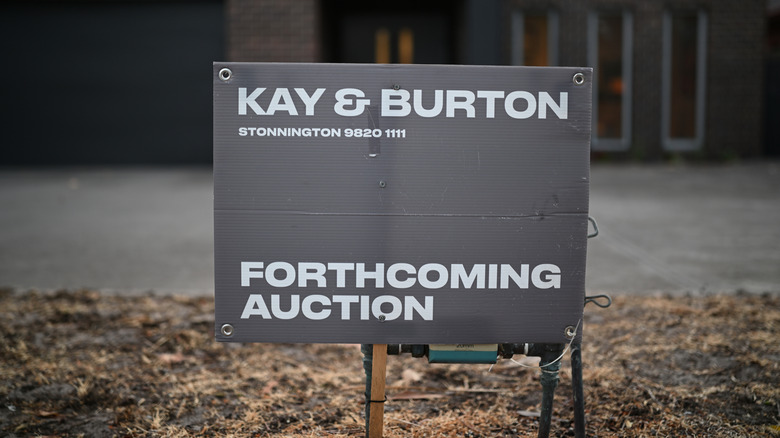
If you have a small business or you work from home, it might feel very annoying that you can't advertise your services on your own property. However, many HOAs have rules against commercial signs and advertising. For example, they only allow for sale signs or signs letting the public know who is building on a certain lot — but that's it. While you might be able to raise chickens, do nails, or even prepare taxes for people out of your house, you can't have a sign saying so out front.
We've all seen the outside of polling places on election day, signs stacked on top of signs. So keeping dozens of signs out of people's yards and off medians prevents the neighborhood from getting visually cluttered. It also helps maintain property values by preserving a consistent, residential aesthetic, instead of a more commercial feeling.
Standards that exterior holiday decorations can't be up year round prevents tackiness

HOA rules on holiday decorations differ. Some might be more lax, giving vague timelines for when you can have Halloween inflatables in the yard or Christmas lights on the porch. While others are very, very specific in their rules, like two weeks before and five days following the holiday, except for the major ones in November, December, and January. This would be very annoying for those who want to start the spooky season on the first of October, or perhaps have the Easter Bunny and friends on display for most of the spring.
We love Christmas lights, but not in July. The first thing decoration restrictions allow for is fun, but they prevent things from becoming eyesores, like they definitely would if left out too long. Restrictions also get out ahead of having to mediate neighbor-to-neighbor over tacky, outdated displays that are up year round. These restrictions on the length of time decorations can stay up also tend to crack down on the type of decorations, too. This prevents any graphic Halloween options from going up, or anything culturally insensitive around religious holidays, like Eid or Hanukkah.
Mandating dues each year pays for community amenities
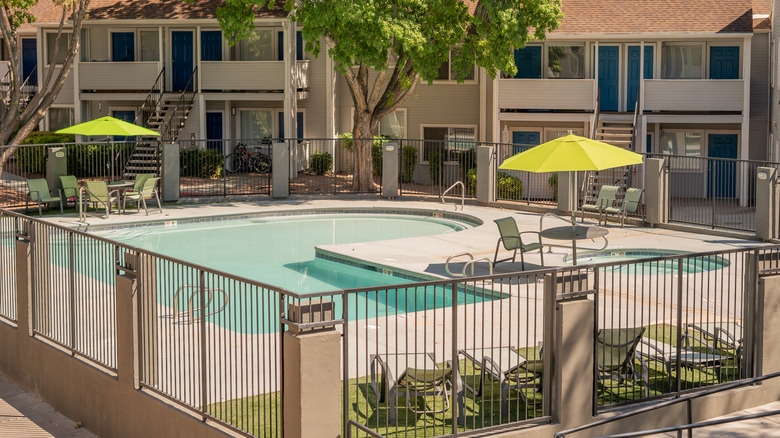
The fact that HOAs cost extra can be very frustrating. The fees required for them can range anywhere from $100 a month to well over $1,000 a month, and that's on top of your mortgage, property taxes, and homeowner's insurance. These things can add up. When pennies are tight, the last thing you want to do is fork over more cash to people whose only job is to tell you what to do.
The money collected through HOA fees massively benefits the neighborhood, as it funds the upkeep of the pools, parks, and community clubhouses. So if you like using the splashpad in the summer, or walking your dog on a well-maintained trail, you have your HOA fees to pay for that. In condominium towers or townhouse complexes, the fees can also fund private security patrols or repairs to the lobby, which keeps things looking nice and feeling safer overall.