

How Your Kitchen Can Actually Encourage Healthier Eating Habits

We may receive a commission on purchases made from links.
When you think about healthy eating habits, your focus tends to shift toward diets, superfoods, or certain ingredients. One thing you may not often consider is that, regardless of your willpower or motivation, the environment in which you eat can be a major contributing factor in shaping those habits. A cluttered kitchen, for example, can make it difficult to find the ingredients and appliances needed to cook a healthy meal. This, in turn, can make home cooking a stressful experience and may lead you to favor easier options like fast food. Not only that, but subtle design choices that may seem unrelated to your health, such as the colors of your kitchen walls and cabinets, the lighting intensity in your dining area, or the items kept in your storage spaces, can influence your tendency to overeat or make food choices that negatively impact your health.
While these external factors often influence you subconsciously, you can reclaim control by making strategic adjustments to your kitchen. If your dining area is surrounded by bright colors like red, orange, or yellow, try replacing those colors with calmer palettes, such as soft greens or light blues. This might seem like a simple design choice, but research in environmental psychology has shown that these calming colors can minimize stress and encourage mindful eating. Similarly, placing your dining table near a sun-facing window may help regulate your metabolism and reduce late-night cravings. Pair this change with limiting eating under intense artificial lighting, which can disrupt your biological clock and affect healthy meal timing.
Simple kitchen changes that support healthier eating habits
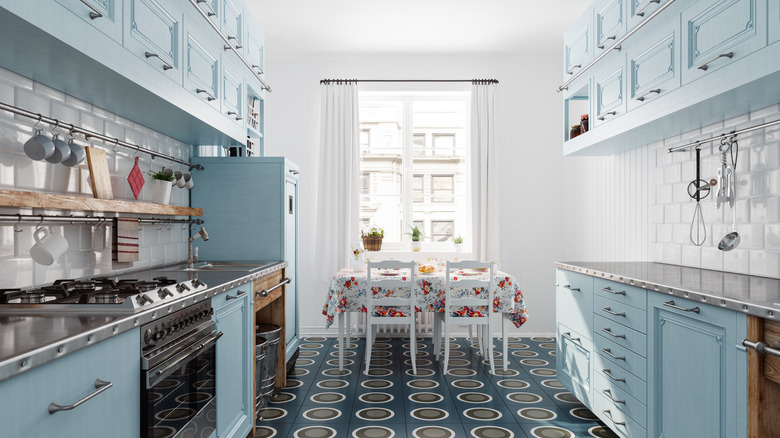
You don't have to remodel your entire kitchen for it to support your health. Some small adjustments are more than enough to make your kitchen work with you, not against you. The first thing you need to do is reduce visual clutter as much as possible. This will make it easier to use your kitchen without stress when you need it. A simple tip to declutter your kitchen without going overboard is using cabinet organizers, like sliding cabinet baskets or under-shelf wire storage baskets, like these under-shelf baskets from Simple Houseware. You can also make use of tight spaces between cabinets by adding narrow, freestanding shelf units for hidden storage.
Another impactful change you can make to your kitchen's organization is choosing where you put fresh produce and healthy snacks. Always make sure to place fruits and vegetables on an eye-level shelf inside the fridge, and nuts and seeds in clear containers on the countertops, making them easily accessible to you. It's also good practice to place unhealthy snacks inside closed cabinets, where they are out of sight.
Additionally, if you have an open-plan kitchen, try adding screens or partitions to separate your kitchen area from the rest of the house. Open-plan kitchens are usually more inviting and make it easier to reach for food, triggering impulsive snacking.
Tips for designing the perfect kitchen for healthy eating habits
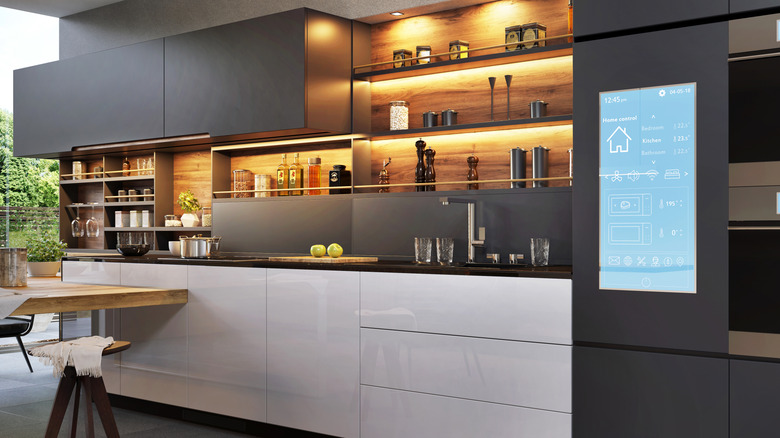
Sometimes going the extra mile to remodel your kitchen with the intention of supporting a healthy lifestyle can be worth it, especially if you have health concerns related to eating. If you're willing to invest the extra time and money to design that type of supportive environment in your kitchen, start by selecting soft-textured furniture, carpets, and decorations. Those types of cushioned materials help reduce noise and echoing, which, in turn, will help you slow down and be more aware of how much or how quickly you're eating. For the same reason, avoid placing a TV or a radio in your kitchen or turn them off during meal times.
Additionally, there are some home appliances that everyone should have for a healthier lifestyle. Firstly, focus on selecting appliances that incorporate smart technologies, like fridges that can keep fruits and vegetables fresher for longer. Consider installing a water filter to ensure that you get clean, balanced water. This is especially necessary if you have hard water. Investing in healthy cooking appliances, like steam cookers, air fryers, or slow cookers can also be a huge boost to your eating habits. It's also a good idea to get a kitchen scale and use nonstick cookware whenever possible if you're trying to avoid cooking with excessive oils. Finally, focus on adding more storage to your kitchen. For example, choosing floor-to-ceiling cabinets can help you keep your kitchen neat and organized.