

What It Means If You Find Clumps Of Animal Fur In Your Yard
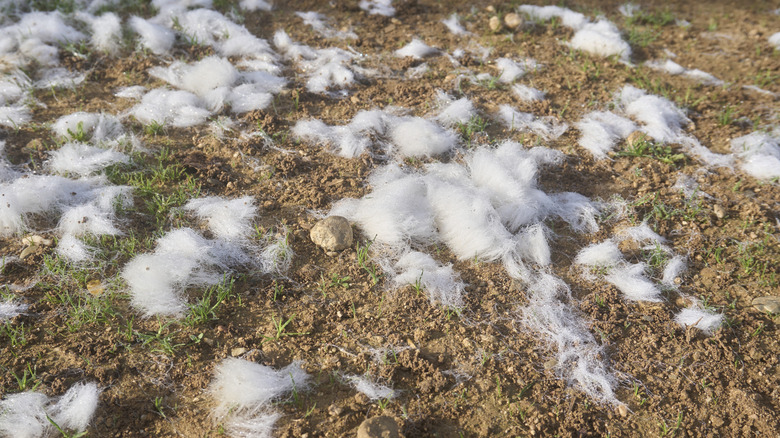
Wildlife activity is natural and can be fascinating to observe, but it can also be a little alarming when there's evidence in your own yard. It helps to know what to do if you find a snake's shed skin or a huge pile of bird feathers near your home. However, another potentially concerning scenario is finding clumps of animal fur in your yard. While your first reaction may be to contact animal control, there's no need to ring the alarm bell right away. Taking the time to inspect the fur and surrounding area can help you figure out what happened and whether you need to take action.
There are two common reasons why you may find clumps of animal fur in your yard. The first is that a predator of some sort attacked or killed an animal of prey. Predatory birds like hawks, eagles, and owls will attack their prey and pluck out the fur before eating it, leaving clumps behind. Another kind of predator like a coyote might have attacked an animal of prey and ripped out clumps of fur during the attack. If you suspect an attack has taken place, you should be sure to keep a close eye on any pets or young children in case the predator returns.
The second common explanation behind mysterious clumps of fur in your yard is shedding. Many animals, like rabbits, shed their fur at certain times of the year, especially during seasonal shifts and temperature changes. It's also worth noting that birds will often use shed animal fur when building their nests, and a bird might have dropped the fur into your yard. So, those clumps of fur could just be a sign that an animal has moved through your yard and left its mark behind.
Steps to take after finding clumps of animal fur
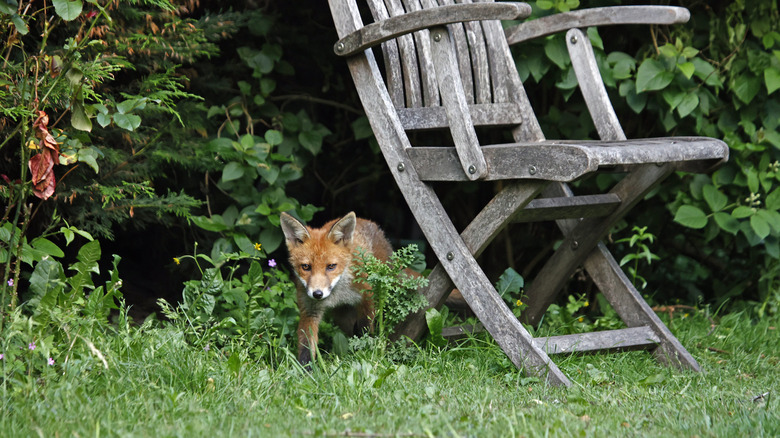
If you find clumps of fur in your yard, you can try to identify the type of fur to figure out whether there are any safety concerns. Look at the color and texture of the fur, as well as whether the clumps are all in one spot or strewn across the yard. Knowing whether you're looking at shed rabbit's fur versus signs of a coyote attack can be important information, especially if you have pets or young children.
You should inspect the surrounding area as well. Look for signs of animal tracks, droppings, or pieces of a carcass. If you think a dangerous predator like a coyote has been in your backyard, you can contact your local wildlife authorities to report the activity. Depending on the situation, they may offer guidance on what to do or send a professional out to investigate. If the clumps of animal fur pose a safety or hygiene issue, you can carefully remove the fur using gloves and a shovel to ensure your skin doesn't come into direct contact with the animal fur.
It can be tricky to prevent wildlife from coming into your yard, but there are ways to deter future events. Keep your yard clean, secure all food to avoid attracting wildlife activity. Trim back the bushes in your yard, and mow your grass regularly. This will make it harder for animals to hide or nest in your yard. You can also set up a safe and humane deterrence, like motion-activated sprinklers, or consider fencing in your backyard to make it harder for wildlife to visit.