

No More Cookie-Cutter Facades: 11 Trending Exterior Finishes That Add Curb Appeal
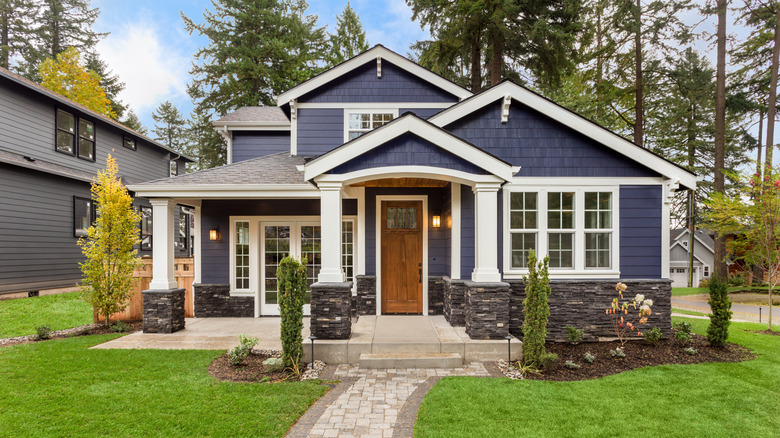
Adding curb appeal is about more than just making your home sellable — it's about how it welcomes you whenever you pull into the driveway after work. It's about the pride you take in the place you hang your hat, and more than that, it's about looking after your investment in the long term. The exterior finish of your house plays a big role in all of that. Along with your roof, it's the first line of defense against the elements, protecting the literal bricks and mortar from the worst of the winter winds. And sure, you could easily pick an "out of the box" finish to keep your walls protected, but such options rarely offer the opportunity to express the personality of those living behind them.
That's why we decided to create this guide. We picked the brains of industry experts to see which exterior finishes are currently helping design-savvy homeowners break the stifling mold of standard facades. And as you'll see below, they've come up trumps with a surprising array of both traditional and contemporary ways to ditch the cookie cutter. Some are seeing a rise in popularity of trends from Japan, like wood siding that's been preserved by a process of surface charring. Others are seeing more homes incorporate materials that evolve as they age, like corten steel. With insights and exclusive quotes gained from interviews with industry experts, if you're scratching your head for home-finish ideas, you're sure to find inspiration in the guide below.
Wood-look cladding feels inviting and warm
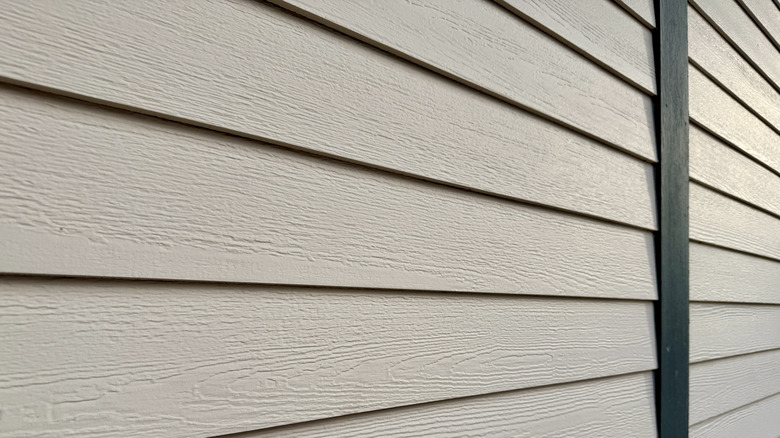
While there are various types of siding homeowners can choose from, one of the most popular is wood. Its natural aesthetic lends both warmth and texture, and it's especially effective in rural areas, where those attributes complement the wider surroundings. But it can be an equally effective finish in more urban landscapes, giving onlookers a reprieve from the cold, dreary gray of concrete and asphalt. The only slight downside is that real wood comes with fairly heavy maintenance needs. It needs regular cleaning, at least once per year. Any material that's become exposed and starts to rot needs treating, lest the rot spread to the rest of your siding. And that's before you consider how you'll keep it looking fresh with new coats of paint or stain.
For these reasons, Kristina Allan, real estate appraiser and founder of KALLANLVRE, tells House Digest in an exclusive interview that wood-look siding is increasing in popularity. Aluminum composites are a popular choice, she explains, largely for its low-maintenance requirements. Modern composites also feature a rather convincing "wood look," which helps to soften a home's exterior. And while they also help maintain clean lines and an overall neat appearance, the visual warmth of wood-effect siding feels far from cold and sterile. As Allan herself puts it, "Wood-look cladding can help a property stand out without looking like the flashy home on the block. It adds depth and character. It also gives the exterior a warmer and more inviting feel, which buyers tend to notice right away." This, she says, can make your whole home feel more appealing before you even cross the threshold.
Vertical siding draws the eye upwards
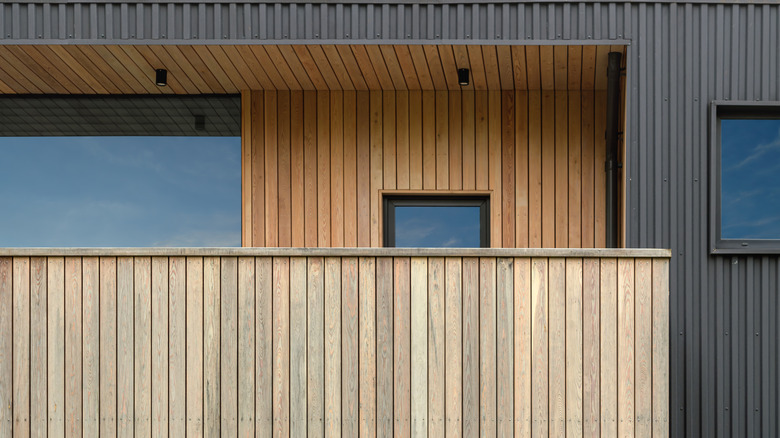
Popular on more contemporary homes, as well as older homes seeking to imbibe a contemporary vibe, vertical siding is an increasingly popular choice. Speaking exclusively with House Digest, Taylor Szostak, founder of San Diego Military Real Estate, says, "Even if the home is not new, this can give it a fresh, new vibe, and buyers love that because it shows them the home has been taken care of." She explains that vertical siding panels help to highlight your home's best points. It can, for example, draw attention to the entrance, or upgrade the appearance of your garage. It can connect the floors of your home, making the exterior feel more cohesive. And perhaps most importantly, it can lend older homes a more updated look.
From a practical perspective, vertical siding is more effective than horizontal panels when it comes to shedding water — ideal in climates that experience a lot of rain. As for materials, again, choices vary. You could specify natural wood, although, as we've already covered, you should be prepared for a hefty maintenance schedule. Alternatively, you could opt for metal, vinyl, or even fiber cement (which we'll discuss in more detail later). Whatever you specify, Szostack explains that it'll help give your home a more refined and intentional look. "Even on a simpler house," she says, "vertical siding adds enough structure to make the exterior feel more thought-out. It gives the front of the home more presence from the street."
Facades made with mixed materials appear layered and upmarket
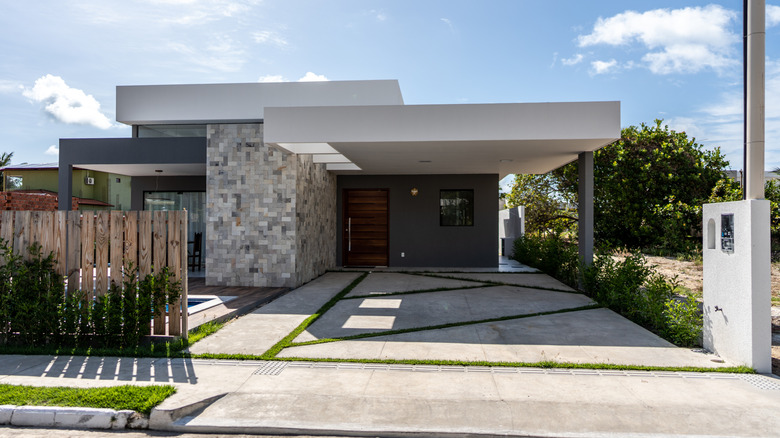
In interior design, there's nothing new about the concept of tying a scheme together with different materials. But it's becoming increasingly popular for home facades, too, with homeowners choosing to do away with the catch-all approach of using a single material. In an exclusive interview with Crystal Olenbush, real estate expert at Austin Real Estate, we learned how approaching home facades this way makes the front of the home feel more layered and expensive. And the reason it works? In her own words, "Contrast. When you combine different textures, the house has more depth. It no longer feels flat or plain. It gives the exterior a more custom look without changing the whole design of the house."
Aesthetic touches with brick, wood-look cladding, stone, and even metal accents are all proving both popular and effective, explains Olenbush. And rather reassuringly, she says that you don't have to spend a fortune changing the physical structure of your home to achieve this. Instead, you just need to tweak a few exterior details. Consider framing the front entry in stone, for example. Or add wood-look panels around your garage. Do so, she says, and your home can look new again. It's a clever strategy for homeowners who want to upgrade their properties, while forgoing the cost of the materials and tools required for a full home renovation.
Fiber cement lends a high-end aesthetic with minimal maintenance
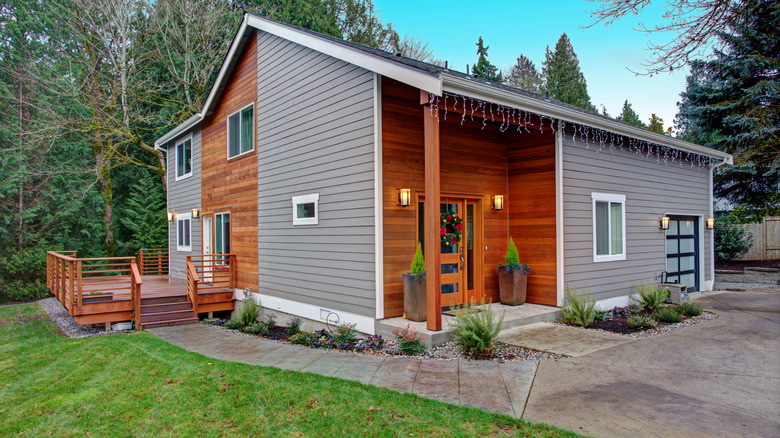
Greg Dallaire, real estate consultant at Dallaire Realty, reveals to House Digest that fiber cement siding continues to grow in popularity. There are a few key reasons for this, all of which appeal strongly to modern homeowners. Firstly, fiber cement yields a smooth, clean finish. This, says Dallaire, complements homes of various styles, from modern and transitional abodes to more traditional, farmhouse-style properties. And it makes sense, especially given the advancements in manufacturing techniques that allow companies to create it in various styles in colors. It also performs well over time. Since it's far more durable than wood, it naturally demands less of your time — and money — in order to keep it in good condition. It has a similar flame spread rating to bricks, making it a good choice in wildfire-prone regions. And in areas that suffer from severe storms, it tends to withstand heavy weather better than other materials, like vinyl.
With all of this in mind, fiber cement is an especially popular choice for those who are preparing their homes for sale. As Dallaire puts it, "Fiber cement gives a home a modern, layered, and architectural look without the maintenance and repairs many buyers want to avoid. It helps the exterior feel more polished while still being practical." In other words, for those who understand how to use fiber cement siding to their advantage, it can stack the odds of a sale in their favor by boosting their curb appeal.
Sculpted and fluted surfaces add dimension and texture
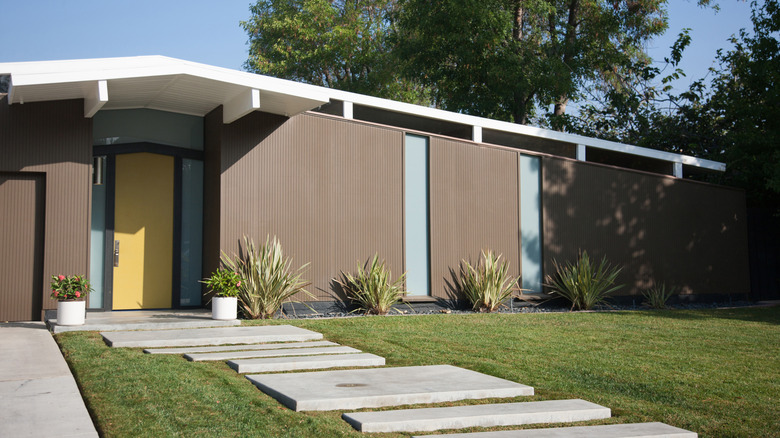
Sculpted and fluted textures have been popular in the world of interior design for some time now. But, they're also starting to permeate the interior walls and make their way outside. As Jules Garcia, real estate agent at Coldwell Banker Warburg, explains in an exclusive House Digest interview, such three-dimensional design trends have been gaining traction for years. "Some folks dabbled with this on just a limited amount of surfaces before," he says. "But now we're seeing it move into broader design applications. It's great because you can add curb appeal and overall aesthetic depth without relying on overly bold colors or heavy contrast."
So, how do sculpted and fluted surfaces provide such simple curb appeal? Firstly, the fluted nature of the panels adds a three-dimensional look to the exterior of your house, instantly lending it a fresh, more contemporary vibe. It also manipulates the natural light and shadows from the sun, which Garcia says become more elegant and pronounced during shifts in sunlight. What's more, he explains, "Some homeowners really like the contrast the matte finish provides against glare. It's a quieter approach. Think of quiet luxury for a house." Like other styles of siding, fluted panels are made in a range of materials, including composites, plain wood, and metal.
Vinyl shake shingles channel a rustic look, but with extra durability
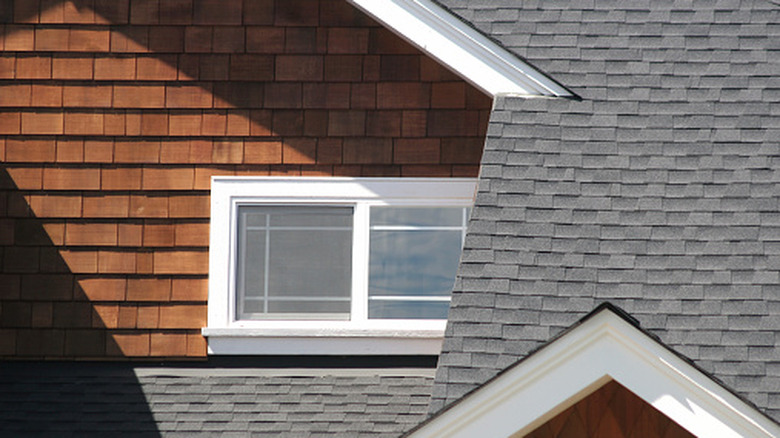
Cedar shakes, or cedar shingles, are an excellent choice for those who value the rich and "woodsy" appearance of cedar. Since they're individually-split from cedar planks, they tend to come in varying thicknesses and sizes, which adds further texture to that which is already present in the wood. It's naturally antimicrobial, which is a big tick in its favor, and it's also surprisingly resistant to typical wood-based problems, like cupping and warping. But it's not entirely resistant to the weather. And like most wood siding products, it does require frequent maintenance. For this reason, Mitch Coluzzi, real estate broker and head of construction at Sold Fast, reveals to House Digest that vinyl shake shingles are becoming more popular.
These, he says, look like cedar shakes, but are much more durable and resilient to fading from sunlight. "They also come in more colors than natural shake, with lots of neutrals or cool blues/greens," he continues. In his experience, Coluzzi says this versatility lends vinyl shakes well to a variety of different uses. In fact, he explains that he's seen it used as both the primary siding material, as well as an accent on things like garages and dormer windows.
Age enhances the color and texture of corten steel
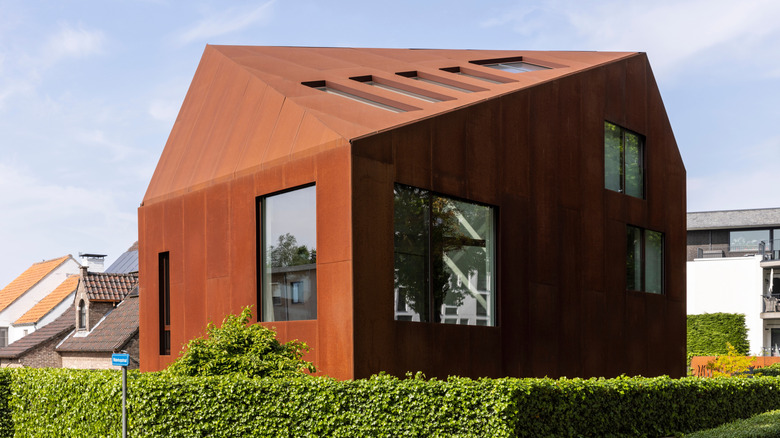
Corten steel has many applications around the home and garden. You can use it to upgrade your driveway edges, and it's an ever-popular choice for gardeners who wish to incorporate sculpture into their landscapes. Its earthy, russet coloration is reminiscent of the colors of fall, and its tones and textures tend to change depending on the weather and the light of a given day. As a home siding material, you may wish to avoid embalming your entire building in it, although there are those who have done it with surprisingly attractive results. Instead, you might choose to use the material as a way to add accents to your overall home facade. Speaking with House Digest, Erik Leland, real estate broker at Realty First, says that the steel's oxidized colors pair particularly well with the Pacific Northwest landscape.
"It is important that this finish looks intentional when completed to pull it off," Leland explains. However, he's seen it used to great effect for things such as garage surrounds, as well as entry features on custom-built homes. Of course, depending on the overall style, period, and aesthetic of your home, corten steel may well be too "industrial" for large-scale use. But if you have a contemporary home, then specifying a few corten steel accents — perhaps a front door — could really nail the aesthetic home. And over time, and due to weather, you'll find that the material's industrial aesthetic evolves, turning from a burnt orange to a rich, dark brown.
Charred wood (Shou Sugi Ban) cladding is durable and softly modern
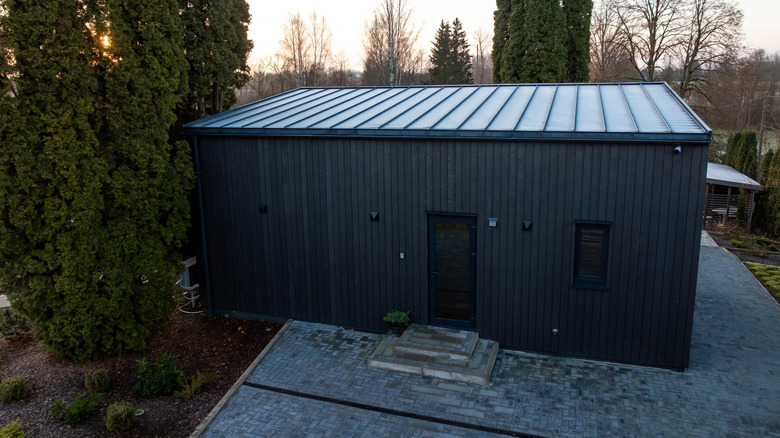
Whether or not you're ready to ditch modern siding materials and use traditional char-treated wood to protect your home is really a matter of preference. But it's a trend that Blaz Korosec, co-founder and CFO at Investorade, says has exploded over the last 18 months. As for where, he reveals to House Digest that it's especially popular in modern, modern-contemporary, and mountain-modern homes.
To help explain why, let's first explore what it is. In Japan, this charring technique is known as Shou Sugi Ban. It's a process in which the wood is burned to harden the material's surface. When done properly, the resulting wood panels can last for up to 100 years. Now, it's worth noting that its actual lifespan is entirely dependent on a few things. These include the weather in your area (and your siding's exposure to it), as well as how frequently you maintain it. Just like any other wood product, the more you look after it, the more it'll look after your house.
That sounds like a lot of downside. However, carbonization of wood generally leads to a much longer lifespan versus wood that's treated with other methods. That's not the only upside, either. As Korosec says, "Unlike wood stain finishes, charred wood has a very flat black finish that adds tons of texture." He also suggests that you don't need to clad your whole house with it to enjoy the aesthetic. As he says, "A single Shou-Sugi Ban accent wall next to a glass front door creates a custom, architectural feel."
Black stainless steel hardware and trims are both trendy and long-lasting
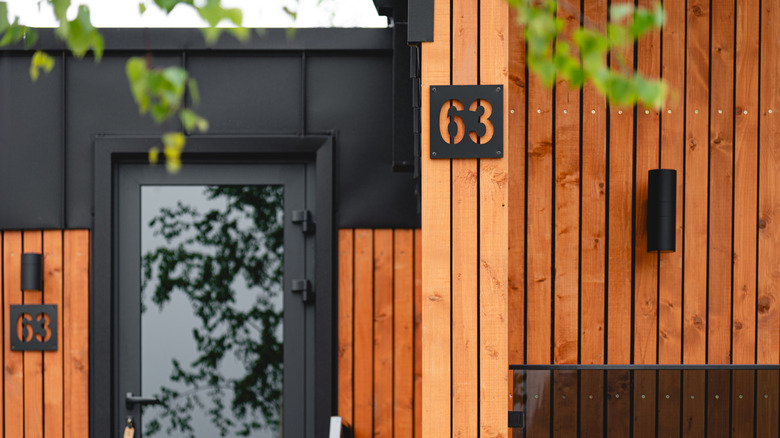
Sticking with the trend of dark-colors, Blaz Korosec has also noticed an uptick in homes adopting matte black and black stainless-steel hardware and trims. These, he says, are outpacing oil-rubbed bronze in certain contemporary builds, especially those ranging from $500,000 to $1.2 million. Why? One reason is that the hardware doesn't take on fingerprints or corrode from salt exposure — which is good to know in coastal climates. Nor does it fade in sunlight, in fact, he says, you can expect fade-resistance to last for between 10 and 20 years.
As for how users are incorporating them, again, it varies. Korosec has seen black house numbers used to great effect, as well as light fixtures around the entranceway, and even black gutters and downspouts. Front door pulls and garage door hardware are also seeing regular replacements with black hardware. "For a cohesive look," he says, "match your gutter system to your trim hardware." It can help to think of these hardware pieces as the jewelry of your home, he explains, meaning it's less about broad coverage, and more about subtle, luxurious touches.
Board-formed concrete accents create a custom feel
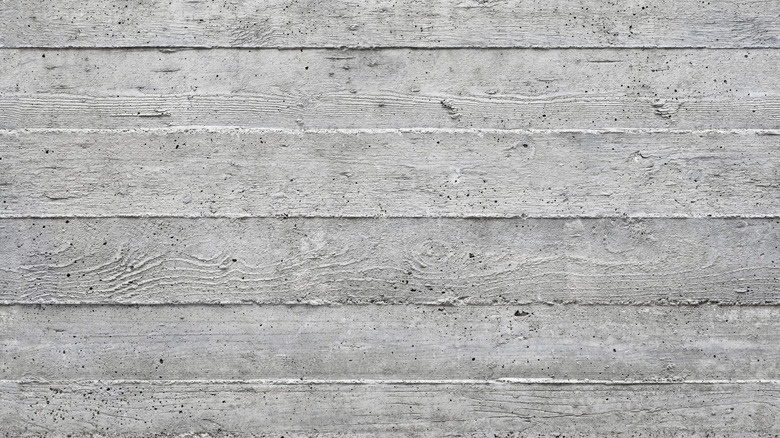
As building materials go, there's nothing especially new or surprising about concrete. If anything, it's considered among the more mundane materials you can use around the home. Most who use it do so because it's usually both durable and hardwearing. But what you may not know is that concrete can actually make an outstanding aesthetic addition to the front of your home. At least, it can, according to Blaz Korosec, who has seen a serious surge in homes adopting board-formed concrete panels.
Per the name, board-formed concrete is a concrete panel that's been imprinted with the natural textures of real wood. When it sets, the wood-grain is effectively baked right into the concrete. According to Korosec, you can expect to pay between $35 and $60 per square foot, which he says is considerably more than stucco. "However," he explains, "the presence it brings to a front façade is unmatched. We recommend using concrete as a 6 x 8 accent wall on either side of your front entryway." Do so, and he says it'll still appear "custom" from 30 feet away. "The texture also plays with sunlight like no other finish can."
Limewashed brick looks soft and elegantly European
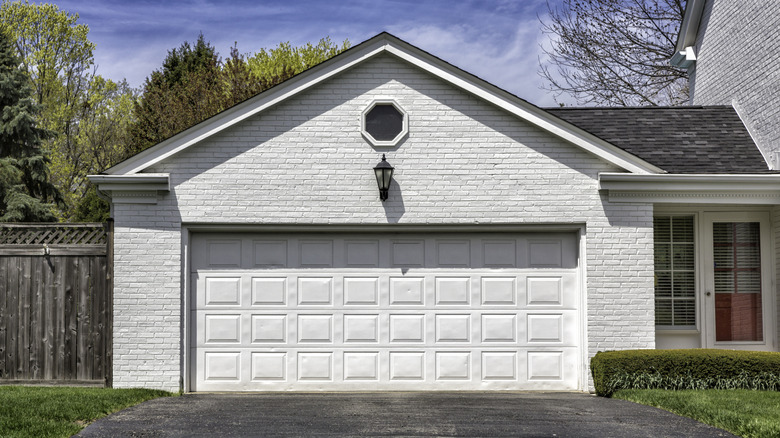
Limewashing is an excellent alternative to painting on homes that feature a brick facade. It's often preferable to painting, which can trap moisture, encourage mold growth, and hide the natural beauty of the brickwork. Unlike paint, limewash doesn't form an impermeable film when it dries. Instead, it allows the blocks to breathe, allowing moisture to evaporate, rather than accumulating in the bricks. And, according to Omer Reiner, realtor and president of Florida Cash Home Buyers, "Lime washing existing brick exteriors gives a nod to a rustic, warm European look that is both eye-catching and easy on the budget."
In other words, if you're tired of the red and russet hues of your home's current brick facade, there's much to be said for a simple limewash. However, before you get started, it's important to do it properly. One of the biggest mistakes people make when limewashing bricks is failing to prepare the surface. It doesn't have to be pristine, but you'll still want to clear it of any dust, dirt, mold, and other debris before applying the solution. It's also worth bearing in mind that limewash tends to fade over time, and that it often fades unevenly. Protected parts of your façade, like underneath your soffits, will naturally take less time to fade than those more exposed to the weather. To get around this, you can buy breathable mineral hardeners, which will help to extend the life of your limewash finish.