

Goodbye Traditional Nursery Pots: There's A Compostable Alternative To Consider
We may receive a commission on purchases made from links.
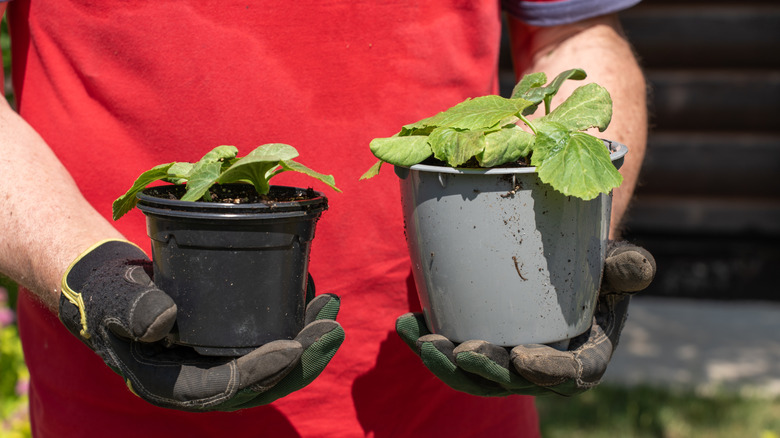
It's not a leap of logic that gardeners would care about the planet. Even the greenest gardener among us ends up with stacks of plastic nursery pots with every passing season. No matter how many creative ways to reuse plastic nursery pots in your garden you can come up with, it's ultimately better to steer clear of plastic altogether. We're long overdue for sustainable alternatives, and nursery pots we can toss onto the compost pile are a major step in that direction. If they're made from agricultural waste material, you're looking at nearly guilt-free gardening.
Research into starter pots made from pineapple skins and leaves is making headlines right now — in the gardening world, at least. These farming materials, which would otherwise be trashed, are mixed with other compostables and molded into planters in a production process that requires little energy. However, there's still some work to be done before pineapple waste nursery pots are commonplace on store shelves in the U.S.
Almost every seedling or plant you buy from a nursery comes in a plastic pot. Love it or hate it, plastic is durable, cheap, and easy to clean — qualities that may dissuade growers and gardeners from embracing planters made from pineapple waste. Although pineapple waste pots are not yet on the retail market, the material has major potential, if researchers can overcome the cost concerns. For example, pineapple farming is a major industry in Thailand, and the country is now a hotbed for pineapple waste pot development. Thai researchers are experimenting with various formulas to make durable, affordable products. Similar research is taking place in Kenya, Malaysia, India, and Mexico — and likely more pineapple-producing countries besides.
The hidden benefits of pineapple waste nursery pots and alternatives
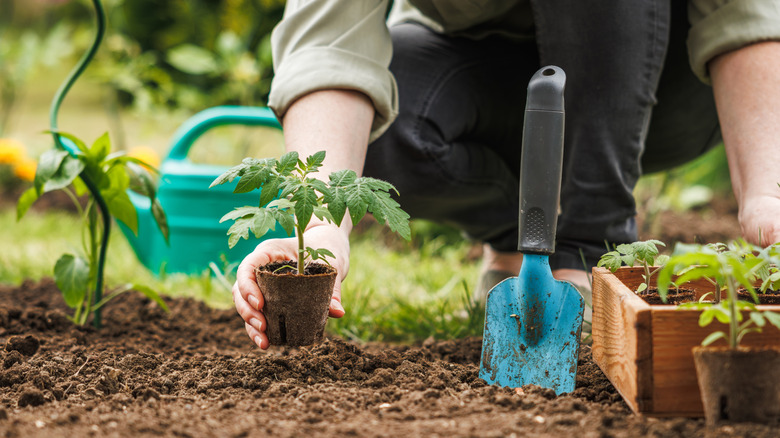
If we put the need to save a buck aside, there are other reasons to embrace pineapple waste nursery pots if and when they hit the retail market. What might be the biggest selling point for pineapple waste plant pots is the nutrients they contain. Pineapples are rich in nitrogen and phosphorus, two nutritional powerhouses for plant growth. These compounds enter the soil as the pots break down and feed the growing plant — something no plastic pot can do. Since fertilizer may cost more than ever in 2026, the nutritional value locked inside pineapple waste planters could push them into the spotlight. The pots have other benefits for gardeners, too. The absorbent walls of the pots release water slowly for up to three days, providing plants with more consistent moisture.
Planters made from pineapple are not available to buy yet, at least here in the U.S. However, if you want to say goodbye to traditional plastic nursery pots, there are plantable, eco-friendly options on the market. A 30-pack of 4-inch round Daniel's Plants Naked Pots made of spruce fiber costs about $26. You can also get a 12-pack of 4-inch square Liquid Fence Brown CowPots for a bit over $13 — they're crafted from composted cow manure. Coconut coir (and wood pulp pots) probably come closest to rivaling their plastic counterparts in cost and are just as sturdy. You can buy a 24-pack of RimCereal Biodegradable Coco Coir Seed Starter Cups for around $30. If you're crafty, you could also create your own starter pots from newspaper, empty toilet paper rolls, or upcycled containers. While none of these options have yet to displace plastic's grip on home gardening, the movement is growing.