

Goodbye Traditional Mulch: The Organic, More Affordable Alternative Your Garden Will Love
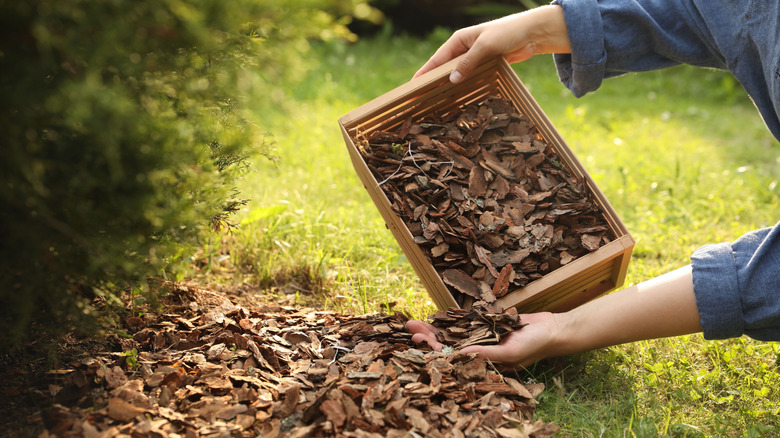
Wouldn't it be nice to get more out of mulching and spend little to no money or effort to do so? The truth about gardening mulch is that it offers so many benefits to your plants, from suppressing weeds and regulating soil temperature to reducing the loss of moisture and helping to prevent nutrients from leaching out of the soil. But what if your mulch actually added nutrients to your soil in a big way and improved its structure with virtually no cost to you? You can give your garden a super nutrient boost by mulching with cold compost, actively feeding your soil while protecting it.
Why cold compost? Because it's much easier to produce than hot compost. You don't have to use a specific mix of nitrogen-rich and carbon-rich materials. You don't have to turn cold compost or monitor it all the time. It's true that organic materials take a lot longer to decompose using cold composting than they do with hot composting; consider a using three-bin system (described in our guide to how to make your own DIY compost) to ensure a steady supply of compost that's ready to use.
Give your garden plants rich nutrition by mulching with cold compost
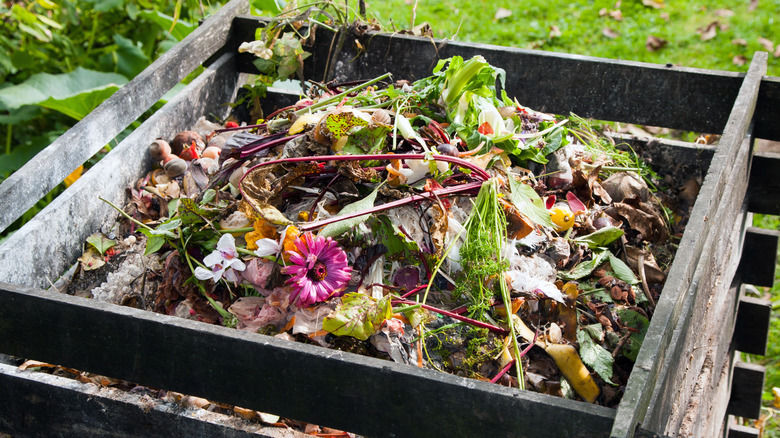
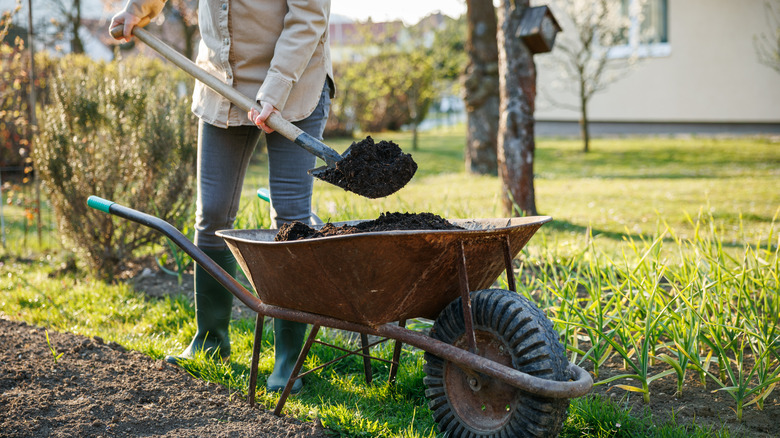
Mulching with compost is especially desirable in the spring to provide moisture retention in preparation for summer. Start with a clean slate. Pull up any existing weeds, including the roots. Clear away rocks, fallen branches, and old, matted mulch. You'll want direct soil-to-compost contact so nutrients and beneficial microbes can migrate straight into the soil where the roots can use them. Give your garden bed a deep soak before applying the compost. By watering first, you create a reservoir of moisture and a cool, damp environment that encourages earthworms to rise up and help process the compost.
The thickness and placement of your compost layer are the difference between a thriving plant and a stressed one. Spread the compost to a depth of 1 to 3 inches. Keep the compost 2 to 3 inches away from the actual stems or trunks. Moist compost touching a stem or tree bark directly can trap moisture against the plant's surface, inviting fungal diseases and rot.
Heed these cautions when using cold compost as mulch
You can also apply cold compost as mulch in the fall, but given that nutrients tend to leach out over the winter, you may want save your nutrient-rich compost for spring; dormant plants barely take up nutrients anyway. However, adding a covering of straw or leaves can reduce leaching by protecting the soil from the battering force of raindrops. By acting as a buffer, this covering encourages slow, steady water absorption and significantly cuts down on surface runoff. The same leaching caveats apply if you live in an especially rainy area.
Other cautions with cold compost include the possibility of weed seeds and pathogens in the compost that likely would have been killed with hot composting. You can keep your cool compost pile free of weeds with a "prebaking" method in which you leave them in the sun before putting them in the compost pile. Another option is to deploy soil solarization on your finished compost to kill weeds — or simply don't include weeds in your compost. Aging is the best treatment for pathogens, so you should be safe with well-aged cold compost.