

What's The Average Lifespan Of Perennial Plants In Your Garden?
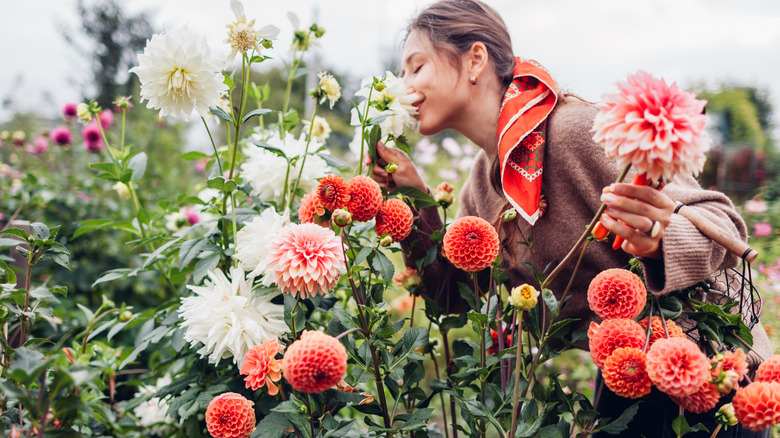
Annuals are like that friend who brings the party to you, making things instantly livelier, but then says "peace out" when the mood slows down. On the other hand, perennials are the reliable friend who becomes part of your regular routine and wants to hang out for years. Unlike annuals that show off their blooms for one season and disappear, perennials come in fully committed for the long haul, returning year after year with pretty foliage and flowers. But eventually, their consistency dries up. The average lifespan of perennials ranges from three years to several decades, depending on the species, growing conditions, and the care you give them. Understanding these differences can help you plan a space that grows older gracefully rather than declining into a patchy field of disappointment.
Perennials come in all shapes, sizes, and varieties, but take longer than annuals to reach their full potential and peak performance. Most perennials follow a growth pattern known as the "three-year rule." They strengthen their roots during the first year, give you a preview of small flowers in the second, and by the third year, explode onto the scene with oodles of pretty blossoms. Some perennials can remain at peak performance and bring timeless beauty to the garden for decades, while others hit their peak, then quickly go downhill after a few years. So, knowing which ones will grow best and longest, plus how to extend their lives, becomes important to having years of healthy, pretty perennials.
The range of perennial lifespans, and how to extend them
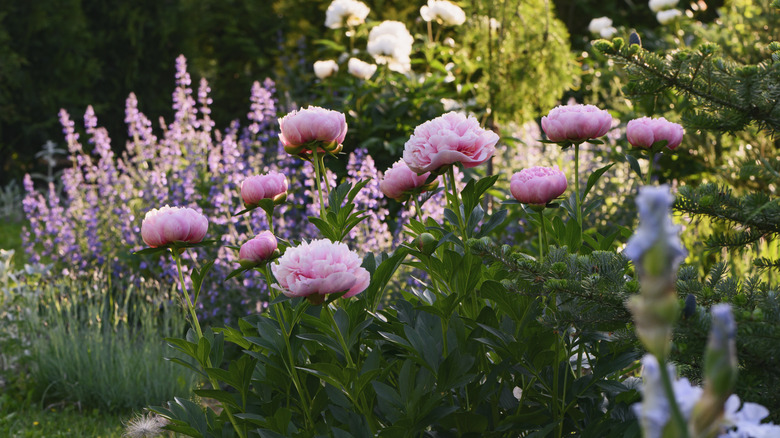
Unlike annuals, perennials come back for several years and sometimes longer. But not all perennials are built the same, and their lifespans can be dramatically different. Some are short-lived and only live for three to five years before declining. Lupines (Lupinus) fall into this category, along with larkspur (Delphinium) and tickseed (Coreopsis). These perennials grow quickly and bloom robustly, but faster growth comes at the expense of a shorter life. Still, they can offer years of vibrant color before it's time to replace them.
Other perennials are known for their longevity. Balloon flowers (Platycodon grandiflorus) can live for 10 years or more, while hostas and daylilies (Hemerocallis) can become permanent residents for multiple decades. Peonies (Paeonia), too, are in this category. Hardy across USDA Hardiness Zones 3 through 9, peonies can survive for 50 to 100 years or longer under the right conditions and with the right fertilizer.
With this range of lifespans, there are things you can do to get as much life out of perennials as possible. Choosing the right planting location is key. Additionally, keep in mind that as they get bigger, perennials often need more elbow room. Dividing them every few years is like breathing new life into them, but there is no universal rule. There are perennials you should divide every May, and others that may never need it at all. With a little TLC, perennials can reward your space with all the bright color and lush foliage they can muster season after season.