

How To Implement 13 Kitchen Trends In A Timeless Way (That You'll Love Forever)

When designing a new kitchen, it's easy to forget that you may well have to live with your decisions for years, if not decades, to come. And the problem with trends is that they have a happy habit of fading just as quickly as they exploded into our social feeds. Fortunately, there are ways to implement trends that can help your space feel timeless, not tired. And while you don't have to be a professional to do it, it never hurts to pick the brains of those who design dream spaces for a living.
With that in mind, we spoke exclusively to interior designers to gather their ideas on timeless and trendy design. And, boy, did they deliver. As you'll see, they offered advice on everything from luxury kitchen design features to imbuing your kitchen with trendy, yet timeless color. They even provided a few suggestions to help style-savvy home improvers avoid this year's most outmoded design trends. Some of their tips may surprise you, and some may lead you to question your entire Pinterest mood board. And some are so staggeringly simple that you'll wonder why on earth you didn't think of them yourself.
Wood tones are trending, but a natural finish is critical
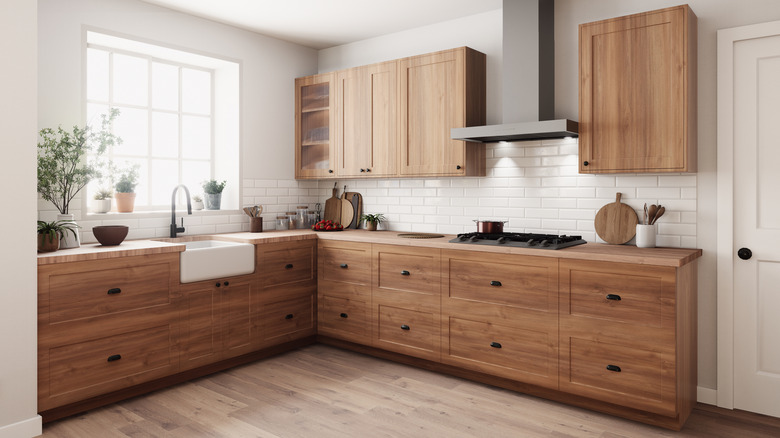
To anybody with their fingers on the pulse of interior design, the rising popularity of warm, dark-wood tones will come as little surprise. Indeed, in an exclusive interview with House Digest, Craig Gritzen, founder and principal designer at Curated Style Collective, explains that it's one of the strongest color trends in 2026. It is, he says, especially popular with kitchen cabinets. And while he agrees that it has the potential to be more than a passing trend, it requires some restraint to ensure it stands the test of time.
"The goal," he says, "is warmth that feels balanced and not overly rustic." Specifically, he recommends avoiding strong orange or heavily distressed wood finishes, which can overpower a space. He also warns against cool gray, which makes sense given that the overarching goal with dark wood is warmth. Instead, Gritzen suggests a natural white oak or walnut. These, he says, will age better because they feel both classic and architectural. "Pairing these woods with a simple natural stone countertop, soft paint colors, and clean hardware will make the design feel cohesive."
Give earth-toned painted cabinets some breathing room
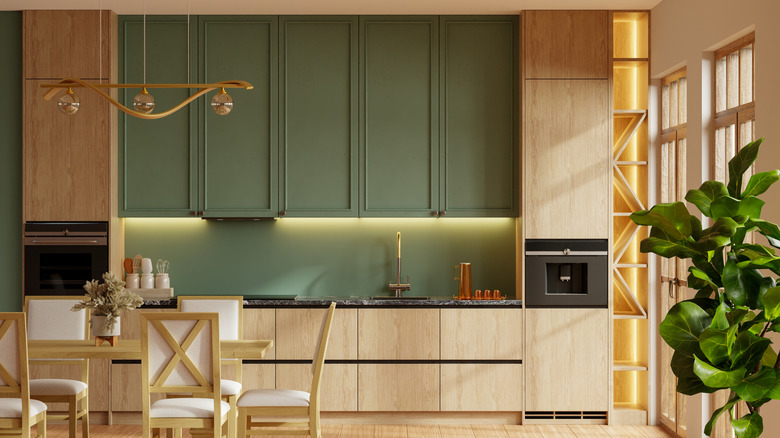
Another trend that's sitting pretty on mood boards across the country is the use of warm, earthy tones. These are making steady progress along the way that's been paved by the decline of the once-ubiquitous white and cool gray. And since it's possible to achieve the same sense of neutrality with warmer tones as it is with gray and white, it feels like an obvious pivot for designers who want to create a cozy home. It's no less true in the kitchen than it is anywhere else in the house. As Craig Gritzen explains, "Kitchen design is trending towards spaces that feel inviting, which [feel] more personal and encourage family and guests to linger."
With this in mind, he's seeing homeowners paint their cabinetry in earthy colors like sage, olive, and mushroom. And while he is, by his own admission, fully on-board with this pattern, he nevertheless urges caution. "The key to timelessness," he says, "is ensuring the color has room to breathe. This can be achieved by using a two-toned design approach with painted lowers paired with natural wood uppers." In other words, the trick is to have your chosen paint colors complement the natural hues of your wood, instead of washing over them entirely. By balancing the richness of your colors with the warmth of natural wood, Gritzen says your design will feel way more timeless than cabinets painted in a single color.
Statement slabs should be reserved for countertops and short backsplashes
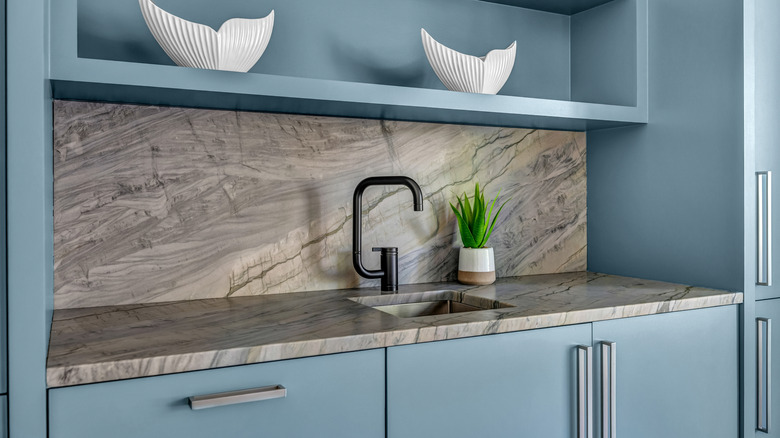
If you've been searching for kitchen inspo on social media, you'll probably have seen the new countertop trend that's all about making a statement. It incorporates the use of visually high-impact materials, like natural stone, to infuse your kitchen with a piece of natural, functional art. And for those who can afford to spring for these materials, it's hard to find a reason not to use them for your kitchen counters and backsplash. As Craig Gritzen says, "They bring visual interest and movement to the kitchen, making the space feel custom and luxurious."
Now, while it's hard to deny natural stone's enduring appeal in the kitchen, it's once again important to avoid getting carried away. Instead, a little conservatism with statement slabs is the trick to making them timeless. For example, says Gritzen, you should try to select materials that aren't overly bold or dramatic. And even then, try not to overdo it. "The key is using the statement stone more sparingly on the backsplash," he explains. "A full-height slab can be beautiful, but it could create overwhelm if the selection makes too much of a statement." Instead, he suggests reserving the statement for your counters and a shorter backsplash, then balancing them out with softer paint colors and other decor.
Use statement kitchen hardware and decorative pulls sparingly, and with intention
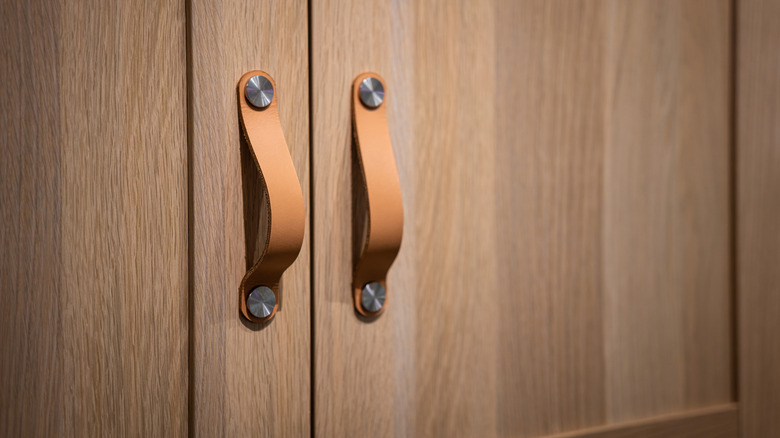
Playful approaches to kitchen hardware are hardly new to the world of kitchen design. For years, homeowners have been experimenting with various metals and other, more organic materials. But they're becoming increasingly popular as we move through 2026, which Craig Gritzen says is allowing homeowners the chance to layer their spaces with personality. He explains that many are moving away from standard knobs and pulls and opting for various trendy cabinet hardware upgrades, like leather, stone, and even decorative porcelain.
This represents an exciting opportunity for creative remodelers. But it's important to tread carefully. For example, do you really think your entire kitchen would benefit from leather-strap hand pulls? As Gritzen says, "The timeless way to implement statement hardware is to treat it like a piece of jewelry. I recommend using these pulls sparingly and with intention." He suggests adding them to the kitchen island or a wet/dry bar area, instead of around the entire kitchen. More subtle touches like this can imbue your space with a dash of 'you,' without it stealing the limelight from the rest of your kitchen.
Implement the cozy kitchen trend with a few well-chosen furniture-style elements
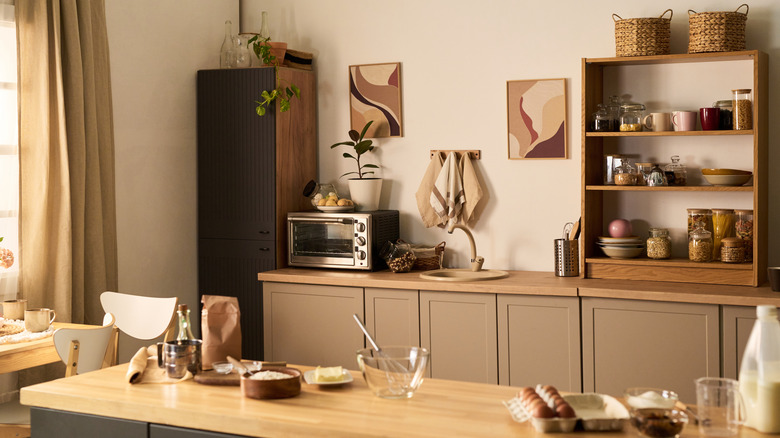
On the topic of cozy kitchens, Craig Gritzen tells us that more homeowners than ever are moving away from the utilitarian, minimal spaces of yesteryear. Instead, they're looking for ways to make the kitchen feel as cozy as the living room. "Kitchens," he explains, "are prioritizing comfort and warmth, and returning as 'the heart of the home' where people eat, work, and connect."
So, how can you do this in a way that endures? Let's first take a look at the 'things' people are incorporating in an attempt to realize their cozy idyll. Gritzen lists several, including furniture elements like freestanding hutches, sideboards, and soft upholstered seating. These, he says, are being used to replace uniform cabinetry and standard seating and achieve a curated, intentional look. But there is a right way to go about it if you're working to the tune of timelessness.
As with custom hardware, Gritzen explains that the goal should be to "sprinkle" in your curatorial finds, instead of saturating your space with them. "Adding an antique hutch or buffet to store serveware instead of more kitchen cabinets, along with a banquette instead of chairs, is a great way to implement this trend," he explains. He adds that additional touches, like a vintage rug, a treasured piece of art, and perhaps a lamp on the counter, can also help lend your space its own story.
Make two-toned cabinetry timeless with harmonious color combos, rather than trendy hues
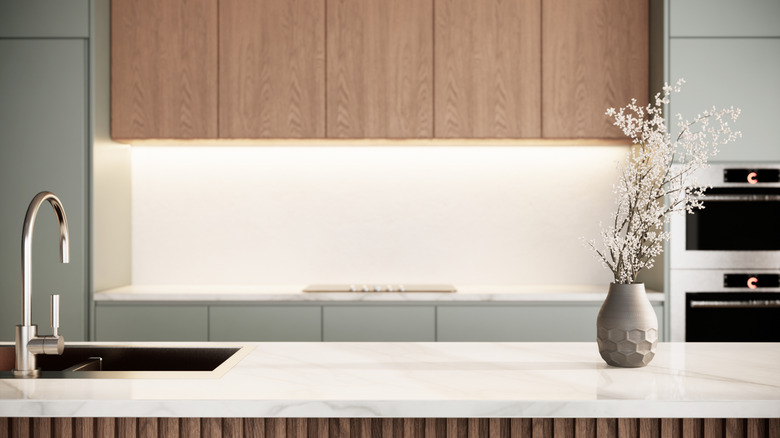
We've already seen how adopting two-toned cabinetry can help homeowners apply current color trends timelessly. It's even possible to make smaller kitchens feel more spacious by adopting two-toned color schemes. But according to our exclusive interview with Camia Brown, founder and principal of Camia Brown Interiors, it's important to also think carefully about the colors themselves. It's not just about what's trendy. Rather, it's about which combinations are most likely to harmonize in your space. "You can absolutely use any colors you want," she adds, reassuringly. "Neutrals, purples, greens, wood tones, whatever speaks to you, but they need to have a clear color relationship."
Brown suggests looking for tertiary, secondary, or analogous schemes where the colors sit next to each other on the color wheel. That, or finding complementary color pairings that achieve a balanced contrast. "The colors should feel like they're in conversation with each other, not competing," she says. Do that, and choose colors with intention, and she explains that your design is much more likely to feel cohesive and purposeful, rather than arbitrary, or worse, dated.
Open shelving should act as practical storage for decorative items
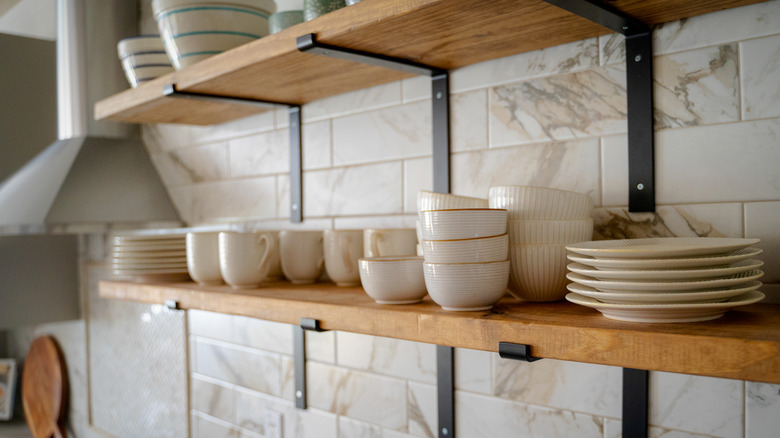
Ask some kitchen designers about their advice on open shelving, and they'll likely advise you to steer clear of the idea altogether. Their reasons are manifold, although one of the primary factors is that they tend to become 'wasted' storage — reserved for decorative purposes only. However, says Camia Brown, open shelving can work surprisingly well, provided that it's both styled and rooted in the reality of everyday living. But it's important not to overdo it with open shelves.
Instead, says Brown, you should limit it to a single shelf, either on one wall or next to a window. Don't be afraid to style them, but aim to do so with items that you'll actually use. If you can display the things that you, personally, like to use, you'll naturally infuse your kitchen with personality, which is key to keeping the addition timeless. For example, says Brown, "Let your favorite plates, bowls, and glassware be on display along with cooking oils, spices, or a few beautiful serving pieces." Your styling should reflect how you actually live and cook, serving to both display and store the things you use every day. "This keeps the shelves feeling personal and functional rather than like a static vignette that's disconnected from your real life."
Statement range hoods should be in a finish that matches the architecture of your home
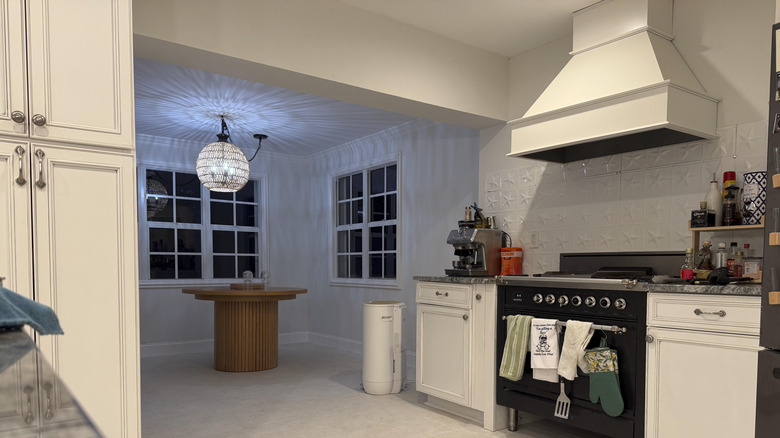
Choosing the right range hood is one of the more technical considerations for any new kitchen. And while it's easy to focus solely on its ability to extract fumes from your stove, more homeowners nowadays are reserving space on their mood boards for statement range extractors. But as with any trend, it's important to consider how it'll look in years to come — when the trend that inspired you to buy it has long-since fallen out of fashion. Camia Brown suggests that designing range hoods as an architectural element, rather than buying one that's designed with the style of the moment, can help to make your choice more timeless.
According to Brown, architecturally-designed hoods work to complement your home's style, rather than serving as a standalone showpiece. "For a traditional home, a plaster or wood hood with classic proportions will always feel right. In a modern space, a sleek metal hood with clean lines serves the same purpose." The key, she says, is ensuring the scale and material palette of your hood align with the rest of your kitchen's architecture. "It should feel like it was always meant to be there, not like a trend you added later."
Mixed metals should always tell a visual story
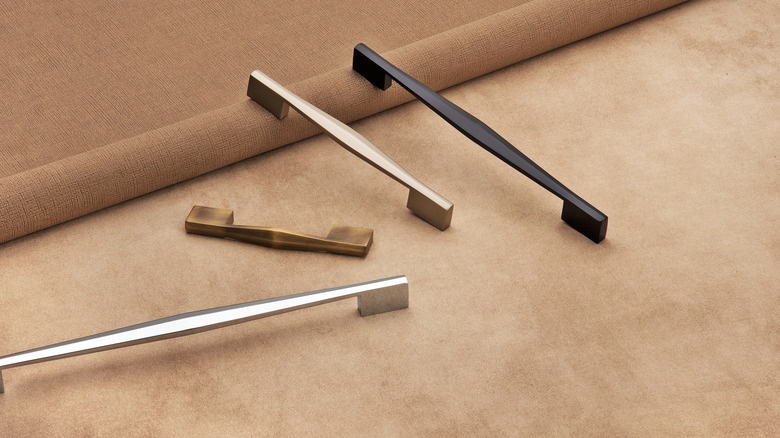
As we've seen already, statement hardware and custom handpulls should be used sparingly — like pieces of jewelry. But that doesn't mean you can't be playful with the metals that you use around your kitchen. The key to nailing the mixed material kitchen trend with metals, says Camia Brown, is two-fold. "There needs to be a cohesive story being told, and the overall effect shouldn't be visually overstimulating."
So, what does that mean? Well, it depends on what you're mixing. For example, if you're mixing up your faucet, sink, and hardware in different metals, then there's no reason your choices can't be timeless. But ask yourself: what story are you trying to tell? Did indecision over a single metal lead you to pick them all? Or is there more intentional reasoning behind your choices? "Sometimes it's shape," says Brown. "Maybe all your metals have similar curves or geometric lines. Sometimes it's the undertone; warm brass, bronze, and copper can live beautifully together even in different finishes."
Ultimately, says Brown, timelessness with mixed metals comes from standing back and looking at everything. Consider your lights, your furniture, your appliance handles, and any other decorative accessories you've sprung for. When you look at them together, you should be able to explain why they belong together. "Are they all industrial? All organic and hand-crafted? All sleek and modern? That connecting thread is what makes mixed metals feel intentional and timeless, rather than chaotic or like you just grabbed whatever was available."
Unlacquered brass hardware looks best in simple shapes
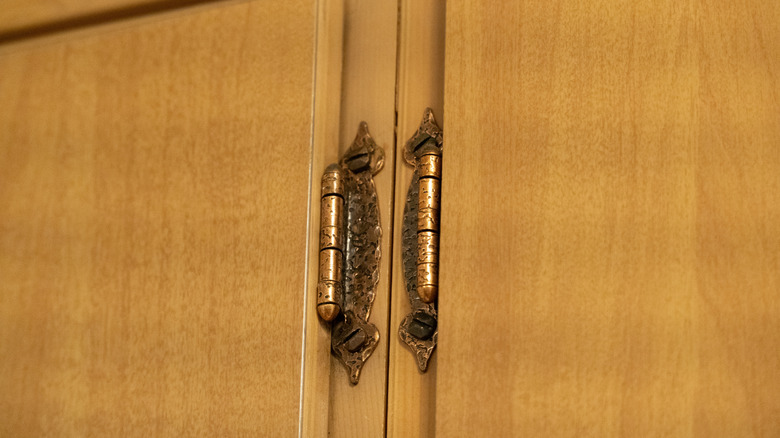
Speaking of metals, Artem Kropovinsky, owner of Arsight Studio in New York, tells House Digest in an exclusive interview that there is one rare trend that actually improves with age. He's referring to unlacquered brass, which he says tends to patina and soften over the years. This change, he says, tells a story, one that develops, ages, and evolves alongside those who use the kitchen every day. However, just because it ages gracefully, it doesn't mean that unlacquered brass is timeless by default.
Firstly, it's important to understand the difference between polished and antique brass. Polished brass is lacquered with a coating that helps to maintain the 'like new' finish for years to come — given the proper care. Antique brass, on the other hand (otherwise known as unlacquered brass), is designed to start aging as soon as it's installed. "The mistake people make," says Kropovinsky on unlacquered brass, "is treating it like polished brass," which he explains can read "flashy" rather than understated and classy. Instead, he suggests keeping your chosen brass shapes simple. It could be a clean doorknob or a timeless, understated hand pull. Whatever it is that you use it for, don't overdo it, and most importantly, give the material freedom to age.
Tasteful moderation is key when incorporating curved and softened silhouettes
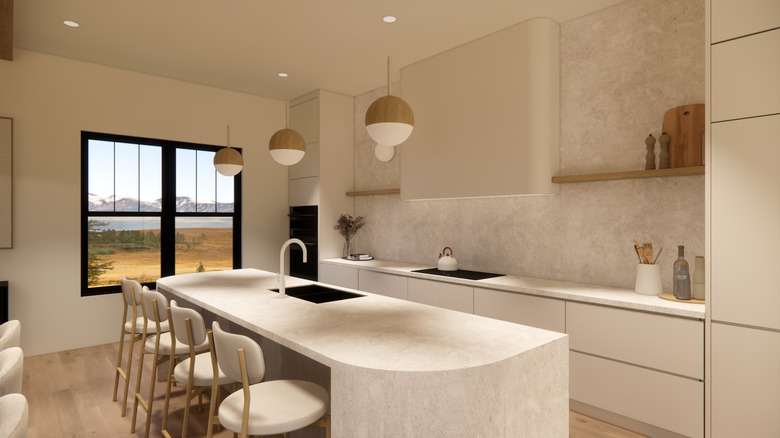
Another trend in the kitchen that's gaining popularity is a shift away from hard, angular forms towards softer shapes and silhouettes. So says Kerrie Kelly, CEO and creative director of Kerrie Kelly Studio, who adds the best approach for timelessness is to adopt these touches in moderation. For example, instead of making every element of your space organic, she suggests incorporating curves into a select few architectural or furniture features, like a rounded island end, or an arched cabinet door.
As we've seen already, it's surprising what just a few subtle changes can do to the overall vibe of a kitchen. In this case, says Kelly in an exclusive interview, "A few thoughtful curves can make a kitchen feel more welcoming and current without tying it to a specific design area." In other words, by employing tasteful moderation, you'll be left with a kitchen that's less likely to look dated when the fickle world of fashion decides it's ready to move on.
Design highly personalized storage for habits that aren't likely to change
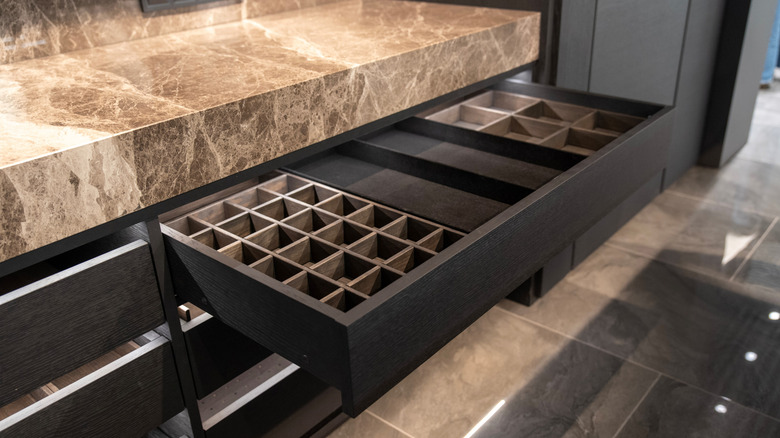
The kitchen is perhaps the most-used room in the house. And nowadays, says Kerrie Kelly, more homeowners than ever want a kitchen that functions around how they actually live. For you, this could mean a dedicated coffee machine to get you up and at 'em in the morning. It could be a baking center for your Sunday cookie sessions with the kids. You may need a pet-feeding zone, or storage for entertainment systems and devices. Whatever it is, it's important to think as hard as you can about how much — and for how long — you'll use your most coveted custom kitchen features.
"While customized storage is certainly trending," says Kelly, "the timeless strategy is to focus on lifestyle rather than novelty." In other words, design your kitchen and its features around the way you'll actually use it, rather than getting caught up in the excitement of fancy features. Sure, if you'll use them, then buy them. But as Kelly says, if you design around habits that are unlikely to change over time, "you'll end up with a kitchen feels personal and relevant for years to come."
Integrated 'quiet' kitchens aren't about minimalism, they're about less visual noise
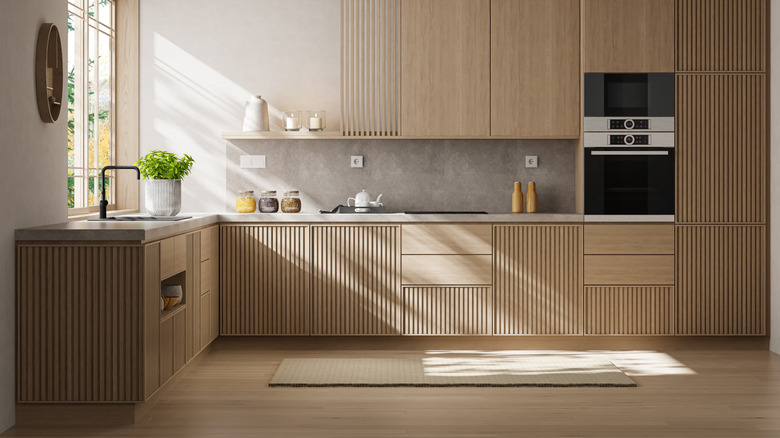
In a noisy world which, with the advent of technology, is increasingly hard to escape, more homeowners are turning to the trend of quiet kitchens. And while the goal, according to Kerrie Kelly, is to reduce visual noise, this trend is not to be mistaken for minimalism. Instead, she says, it's about retaining the functionality that modern kitchen users demand, while using clever storage and design touches that encourage them to relax. Simple, right?
Sort of. As with any trend, there are certain ways to go about it that promise to endure longer than others. "The most enduring way to embrace this trend," says Kelly, "is through thoughtful integration — concealing appliances where possible, minimizing visual clutter, and creating a cohesive material palette." The goal isn't to pare everything back entirely. Instead, it's about considering your kitchen design's potential for clutter. It's about finding ways to "calm" the visual landscape of your space. Hiding appliances and de-cluttering your counters, for example, can turn your kitchen into a visual prompt to relax. Calm, intentional design also has broader appeal, says Kelly. And a kitchen that embraces the "quiet" trend in this way is much more likely to age gracefully, versus one that's highly decorative and driven by the trends of the moment.