

Not Toilet Paper Tubes: The Personal Care Bathroom Staple To Add To Compost
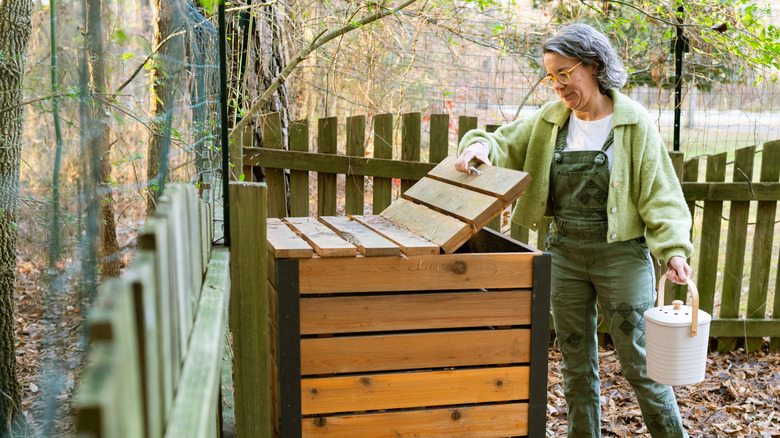
We all know there are certain things we shouldn't flush down the toilet. If you're an avid gardener, you should also know which things you should never add to a compost heap. Tampons seem like they would fit into both of these categories, forever dooming them to the trash can and, later, the nearest landfill. The truth, however, is a bit more nuanced. While many common tampon brands can't be composted, 100% cotton tampons can be added to your heap. With that being said, this idea has some limitations.
While beliefs that period blood is gross, unsanitary, or shameful are complete myths rooted in misinformation, it is still considered a biohazard, just like any other bodily fluid. Menstrual fluid can be a carrier for blood-borne diseases. Used period products generally aren't composted at industrial facilities because of this.
You can technically compost used 100% cotton tampons at home, but if you're using your homemade compost to fertilize edible crops, you need to meet certain conditions and temperatures to ensure any pathogens are killed in the process. Hot, trench, humanure, and bokashi composting are ideal for breaking down these items quickly and safely. Otherwise, you're blundering into a big outdoor compost bin mistake that attracts pests to your yard or inadvertently transfers harmful microorganisms to your plants.
How to decide whether or not composting tampons is right for you
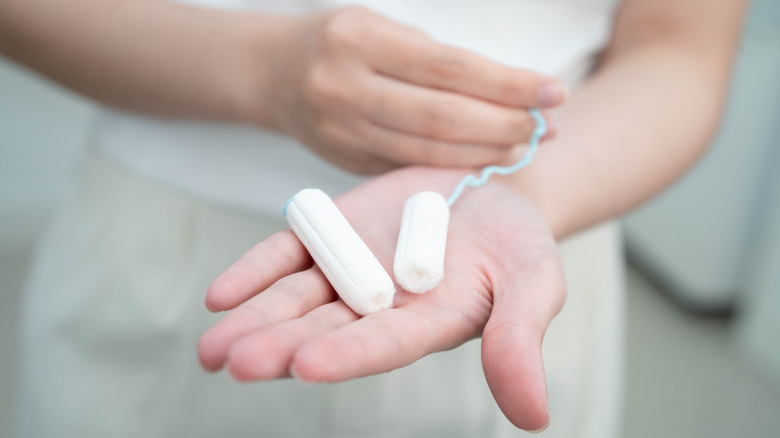
Whether or not you should compost your tampons is a personal decision, but there are a few things that will automatically take these products out of the running. First is the makeup of the tampons themselves. They need to be plastic-free and made entirely of organic cotton and other natural materials. You don't want pesticide residue leaching into your compost pile. If there's any plastic in the tampon — whether that's a plastic applicator or the tampon is made from plastic fibers — it needs to go in the trash can. Plastic fibers are common in period products, so check the materials list on the packaging.
If your tampons pass these first tests, you're on your way to composting your menstrual products at home. Cotton is a brown material that will give your compost pile a serious carbon boost, and menstrual blood contains iron, sodium, and calcium. If you get the process right, menstruation products are full of nutrition for your garden.
Expect them to break down after five to six months in a compost pile. With that being said, it's unwise to use the resulting compost on crops intended for the dinner table. Your pets or pests may also become interested in your compost pile, especially if it starts to produce some unpleasant smells. A better option is to turn up the heat — as mentioned, hot (versus cold) composting is the not-so-obvious difference when creating safe compost.