

Not Coffee Grounds, Not Banana Peels: The Small Kitchen Scrap Your Compost Will Love
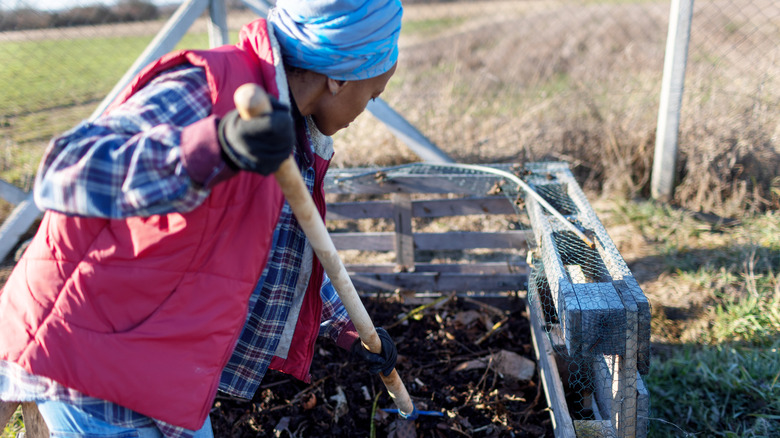
According to the Environmental Protection Agency (EPA), discarded food comprises almost a quarter of the waste that ends up in landfills. This may not seem like a big deal, because, after all, food is organic — shouldn't it just rot and replenish the ecosystem? In reality, however, oxygen is prevented from entering landfills as garbage compresses, so the food waste decomposes anaerobically, releasing greenhouse gases that contribute to the warming of the atmosphere. But it's not only detrimental to the environment: it's a missed opportunity. The nutrients inside the food we eat can benefit growing plants. That's why the EPA recommends composting as a way to promote sustainability and restore healthy soil to your garden. If you're familiar with composting, you've probably heard of using coffee grounds and banana peels (two great options), but perhaps you haven't considered adding the crumbs left behind after a meal to your DIY compost.
Crumbs on their own might not amount to much, but over days and months and years, they can build into something substantial and nitrogen-rich. Instead of sending them off to the landfill and the natural fate of anaerobic decomposition, you can break this cycle easily and in a beginner-friendly way. Ultimately, once you begin to compost your crumbs, you will indirectly feed the environment every time you slice a loaf of bread.
How to compost crumbs and the benefits of doing so
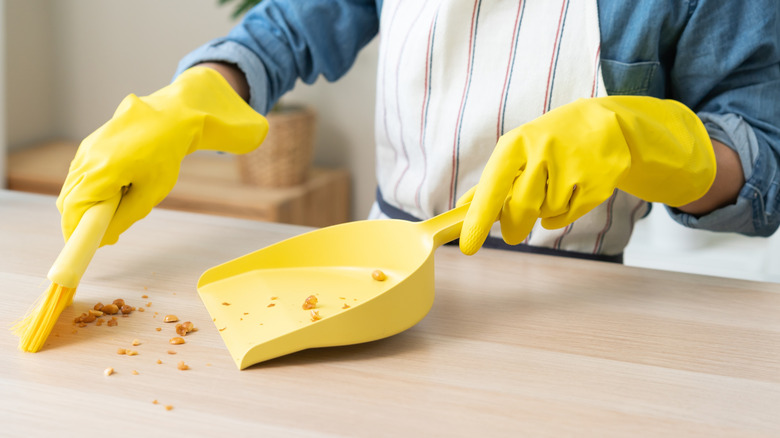
The next time you're dusting off your couch or countertop after a late-night snack, save the remnants. That being said, keep in mind which crumbs are best for composting, since there are certain things you should never add to a compost heap. Although fried chicken skin, for instance, produces lots of crumbs, you should always avoid adding meat products to DIY compost. Although compost bins are a relatively contained microbial environment, they are affected by outside critters, bacteria, moisture, and temperature. Meat can draw rodents, which can carry diseases and nibble away at plants. Meat can even infect your compost with pathogens like E. coli and Salmonella. Also avoid composting crumbs containing dairy, like feta cheese crumbles or bits of nachos with queso.
Bread crumbs that haven't come in contact with chicken, pork chops, or other animal products, on the other hand, are an excellent complement to most compost piles because they add nitrogen. In fact, it is ideal to use crumbs rather than large pieces of bread so as not to invite rodents, although you can always crumble up larger, expired loaves yourself rather than throwing them away. These tiny food scraps will increase the microbial diversity of your compost pile. And don't worry if it has gone bad; the staler the better. Composted bread should break down within about three weeks, but to get the decomposition started, it's always smart to mix the crumbs with other composting materials, like vegetables and grass. You can also use an electric composter to speed up the process.
Look out for these drawbacks to composting crumbs
If your bread crumbs contain mold, that can sometimes be beneficial, especially if your pile's material is decaying too slowly. Heavy mold often can indicate that the bread doesn't contain preservatives that block microbial digestion. But moldy bread can also make the environment wetter than it should be, causing a foul smell and leading to anaerobic digestion (decay without oxygen, which produces methane). To correct this issue, you can turn the soil regularly and combine your bread crumbs with carbon-rich material like newspaper strips and hay.
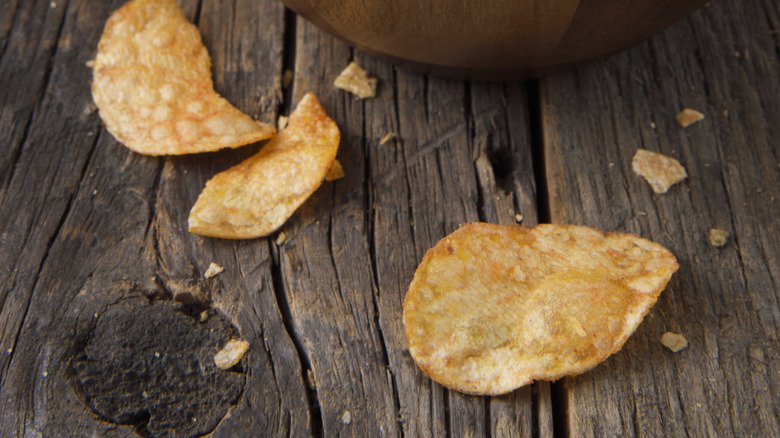
Additionally, just as too much salt is bad for people, it also harms microbes, and therefore you should avoid composting crumbs from anything brined or salted. Salt deprives microbes of necessary moisture and can even do the same to worms, which are valuable for decomposition and aeration. You'll probably want to keep salty potato chip crumbs out of your compost pile for this reason. But nutrition labels will help you make decisions. If you plan to compost food crumbs from chips, bagels, croutons, or other typically high-sodium products, check the label to make sure the slices are marked as "sodium-free or salt-free," "very low sodium," or "low sodium." These all have less than 140 milligrams of sodium per serving.