

Portland Vs Blended Cement: What's The Difference?
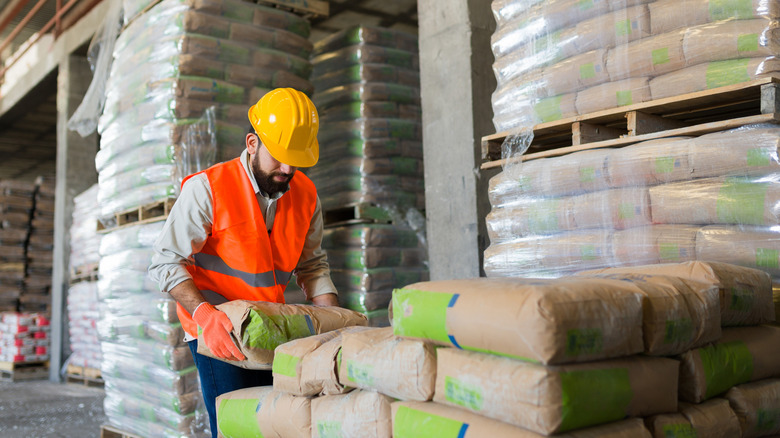
When you're tackling a home improvement project, like pouring a new backyard patio or repairing a cracked walkway, a trip to the hardware store can quickly lead to decision paralysis. Standing in the store, you may find yourself staring at rows of heavy bags labeled either "Portland cement" or "blended cement," wondering if the choice actually matters (and what the differences are). While they might look identical in the bag, the differences between these two foundational materials come down to sustainability, structural performance, and curing time. Understanding how they differ isn't just for commercial contractors — it's the secret to ensuring your base material holds up, especially if you eventually plan to stain your concrete walkways for a fresh look.
The ingredients and overall workability of Portland cement and blended cement both dictate their key differences. Portland cement is more pure, being made of more than 90% ground clinker with only a small amount of gypsum added to control the setting time. Blended cement is more of a pre-mixed recipe that is generally more eco-friendly and easier to work with. Portland cement cures faster, but blended cement offers superior long-term strength and a smoother finish, giving you a flawless foundation if you later decide to elevate your cement patio.
When to use Portland cement vs. blended cement
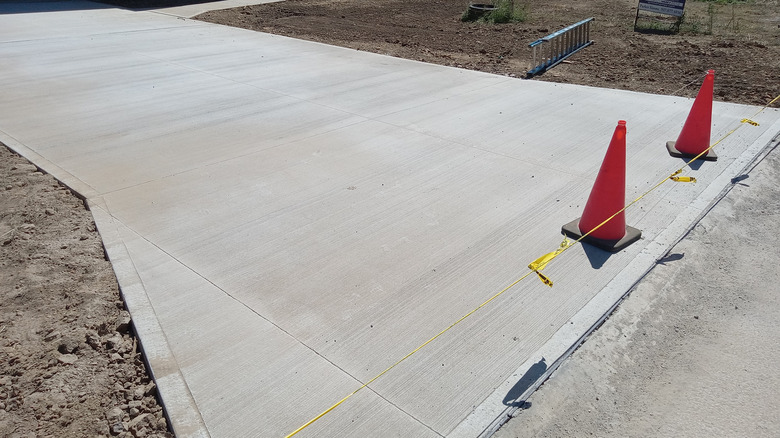
When choosing between Portland cement and blended cement, the choice comes down to a balance between core ingredients and how the material behaves on the job site. Portland cement is the traditional industry gold standard, since it's made almost entirely from clinker (heated limestone and clay). Blended cement uses clinker as a base, too, but replaces a portion of it with supplementary cementitious materials (SCMs). All of this affects how each cement cures and withstands environmental elements over time.
Portland cement is best reserved for projects where speed, cold-weather performance, or custom mixing is the top priority. Because it sets rapidly and can generate significant internal heat as it cures, it is the ideal choice for fall or winter pours when dropping temperatures threaten to freeze the mix. This rapid early-strength gain is also a major asset when you are working on a tight timeline and need a driveway or walkway to be traffic-ready as quickly as possible — saving you from having to perform a water test to fill cracks in your driveway down the line if the concrete fails to set correctly. It's also the go-to when a specialty job requires a custom recipe of aggregates and color pigments.
On the other hand, blended cement is the superior choice for everyday DIY hardscaping, hot-weather projects, and structures exposed to harsh elements. Thanks to the addition of materials like fly ash or slag, it remains wet and workable for longer, giving beginners plenty of time to trowel a flawless, smooth finish. It also cures cooler — preventing unsightly thermal cracks on blazing summer days — and creates a less porous final structure. This makes blended cement highly resistant to humidity, fluctuating temperatures, and winter road salts, making it the ultimate choice for long-lasting projects like backyard patios.