

How To Control Garden Snails Without Eliminating Them (& Why You'll Want To)
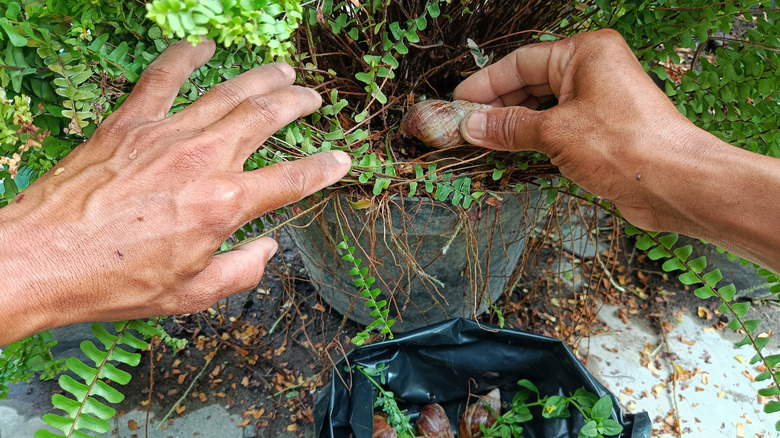
Yes, going outside in the morning and discovering that snails and slugs have feasted on some of my plants overnight is infuriating and incredibly demoralizing. However, I am a Master Gardener with two decades of experience, and I specialize in permaculture, working with nature instead of against her. And that also means working alongside wildlife, including slugs and snails. Learning to garden and coexist with all of the little creatures that belong in a garden is challenging, especially when those little beasties want to eat all of the same things that you're trying to grow. Maybe you can even learn to take pleasure in their presence. For example, not far from where I live, the annual World Snail Racing Championships are held every year. I know it sounds weird, but it's a real thing and people come from all over to participate and watch.
Many of the creatures people consider pests serve important roles, and a truly healthy garden is incredibly biodiverse. Everything plays its part in garden health and life, from the tiniest microscopic decomposer in the soil to the visiting pollinators, the hungry snails, and even the weirder creatures lurking in your back yard. Snails, for example, are actually surprisingly useful in the garden. Even though we are bombarded with products and ads for ways to kill snails, their presence and activity in the yard is important. Getting rid of them completely can have unexpected consequences. The better approach is to learn to manage them rather than exterminate them. Encourage biodiversity to bring in predators that will help keep their numbers down automatically. You can also use targeted control around plants that really genuinely need it.
Snails are more useful than you realize
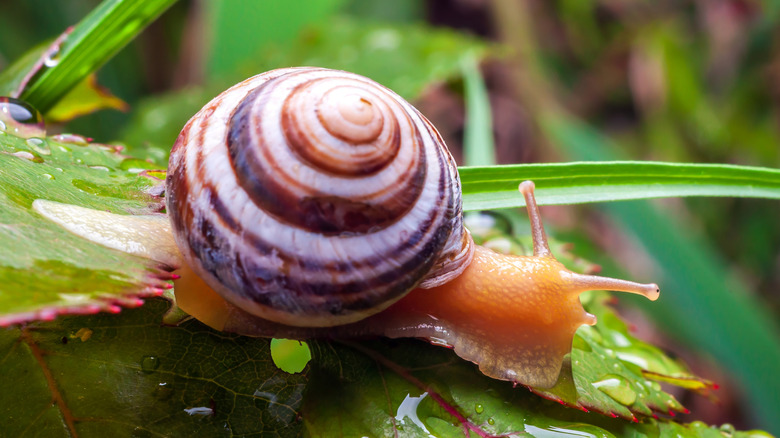
Garden snails, to most people, are just voracious pests that eat anything soft and tender. Actually snails are decomposers and they break down rotting vegetation, animal and insect carcasses, and fungi and help cycle nutrients back into the soil, which is unbelievably important for soil health and plant health. Plus, of course, their own bodies decompose and contribute nitrogen directly back to the soil. As their shells decay, they contribute calcium to the soil food web, which is an important resource for other soil organisms, particularly in environments that have a lack of this nutrient.
Interestingly, they can also contribute to pollination in certain situations. Pollen adheres to their bodies as they brush past flowers and it gets deposited when the snail brushes against another flower. They are more than just a pest. They are a functioning piece of the wider ecosystem that supports a healthy garden and a healthy wider environment. Empty snail shells also become homes for other creatures. For example the gold-fringed mason bee uses abandoned snail shells to overwinter its eggs, where the young can hatch and grow safe from predators before emerging as adults in the spring. This is a great example of why biodiversity is so incredibly important and why we should all be more considerate and think carefully before we reach for a weapon to kill a seemingly "useless pest".
Snails encourage more predators for better overall natural pest control
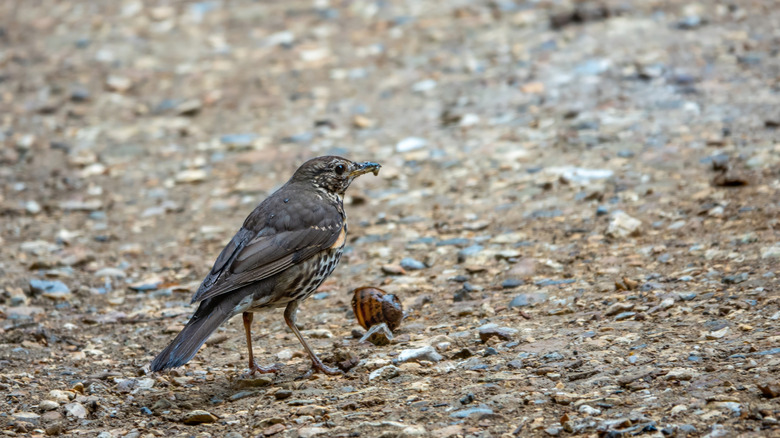
Lots of things eat snails. They are an important part of the wider food chain. Raccoons, skunks, firefly larvae, frogs, song thrushes, crows, centipedes, and ground beetles, among others, all feed on snails. There are even carnivorous snails, called wolf snails, that eat garden snails. These useful garden allies eat all kinds of things you'd consider pests. So the more of them that hang around your yard, the fewer overall pests you'll find. But if you eliminate most of the snails, many of those predators become less likely to stick around. With fewer predators in the garden, snail populations rebound incredibly quickly because there's no natural regulation. This cycle gets harder and harder to manage the more aggressively you intervene.
If you use lethal controls and eradicate the vast majority of snails, you are also depleting the prey base. Depending on the product you use, you can also poison the predators that rely on the snails, unintentionally killing lots of other animals. This can also affect the predators that prey on the creatures that predated the snails. A single careless application of something toxic can have far-reaching consequences. There are plenty of easy ways to bring biodiversity to your yard to keep on top of pest numbers and maintain a healthier, more alive garden.
How to make your plants less desirable to snails
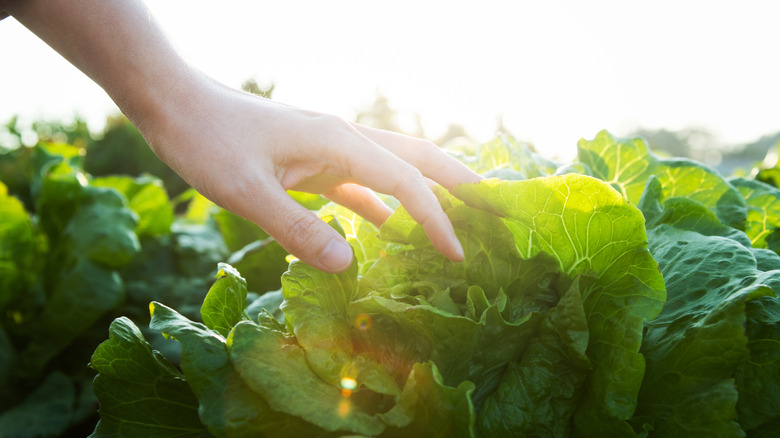
There are a few super-effective things you can do to save your plants from hungry snails that don't involve reducing snail numbers at all. Because I'm a permaculturist, I try to think about everything in my garden as part of the larger whole. When it comes to controlling pests like snails, the first thing I look at with vulnerable plants is where I plant them. It's the simplest and most effective technique. Don't put plants that snails love in the perfect snail habitat.
You wouldn't go swimming and thrashing around in prime shark territory and then be surprised when the sharks turn up and eat you. The same applies to snails and your plants. If, for example, I'm planting something with soft tender leaves that I know snails will make a beeline for, I try to plant them in less snail-friendly parts of my garden. I'll choose a bed that's relatively dry, gets plenty of sun, and doesn't have too much other cover close by. Out in the open snails would be easy pickings for birds and other predators and they'll dry out uncomfortably in sunny areas, so one of the best things that you can do for vulnerable plants is to move them into the most open part of the garden, because their location acts as a natural deterrent.
How to control snail numbers without eliminating them
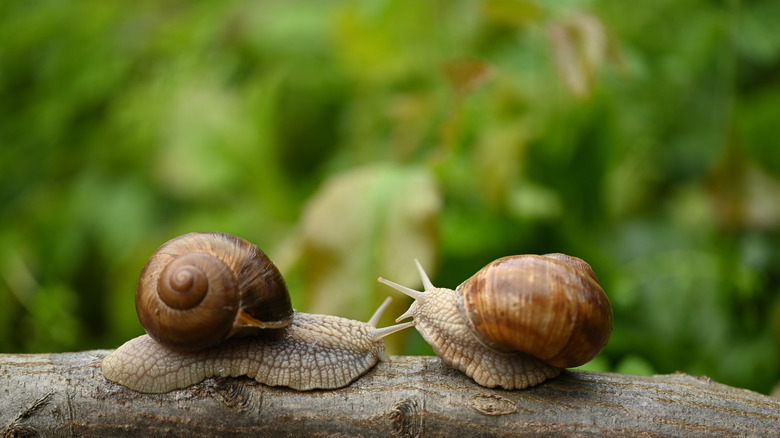
Saying that snails are useful and shouldn't be entirely eliminated does not mean that I recommend you just let them wreak havoc in your garden beds. You can still control snail numbers with some simple strategies and changes that don't involve decimating their population. For seedlings, keep them raised on a bench with physical barriers around the legs to stop snails climbing up. In a greenhouse or polytunnel, move the bench far enough away from the outside that snails can't simply climb up the outer wall and straight across to your seedlings.
Realistically, you're never going to keep snails out entirely because new ones will eventually move in from surrounding areas. So make a home for them. I keep one area of my garden that's wilder and shadier. I leave lots of dense cover and a good layer of leaf litter on the ground. I consider this my wildlife garden. I don't grow anything that's particularly vulnerable to snails here or anything that I'm particularly worried about getting eaten. Snails are welcome in this part of the garden, and concentrating them in one area also encourages lots of predators. As an added bonus, encouraging these predators in means they will also eat other pests. Attracting birds to your yard will also help keep on top of snail populations.