

Sandstone Vs Limestone Pavers: What's The Difference?
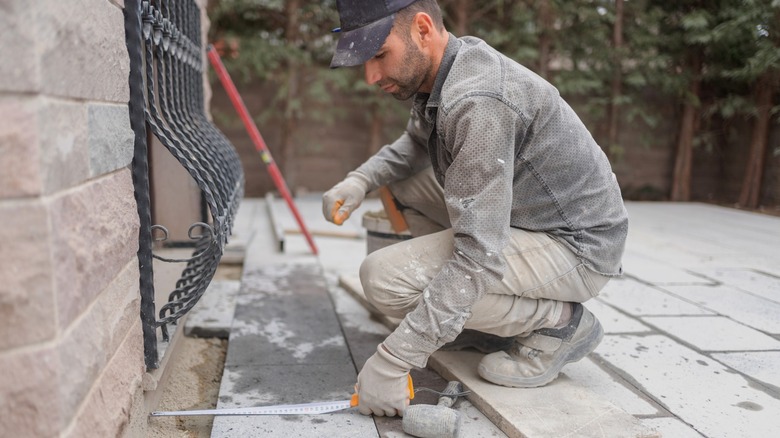
One of the popular paver trends taking over homes everywhere is embracing the random textures and colors found with natural stone. Rather than focusing on every piece being the same, the natural variations can give your outdoor area a more authentic feel and look. Two of the more popular natural stone paver materials include sandstone and limestone.
Both sandstone and limestone share some important characteristics. They're ideal for use in outdoor environments and have a proven track record, as they've been used for thousands of years in outdoor gathering areas. However, there are a few key differences to understand before you choose one over the other. Sandstone tends to have the advantage when you want variable textures to create a sense of ruggedness in a patio area. It also offers low-maintenance longevity. Limestone's lighter colors can nicely complement a neutral color palette that you already have in place in a patio setting. The tones in this material work well when paired with contemporary designs, too. Limestone and sandstone have a similar cost range, but the final price depends significantly on whether you have local availability of one over the other when sourcing the materials.
Although sandstone and limestone have many similarities, these two materials aren't completely interchangeable. Understanding the differences between the two can help you select the right type of pavers for the patio of your dreams, create a pool surround that provides slip resistance, or install a long-lasting driveway.
Situations where sandstone pavers outperform limestone
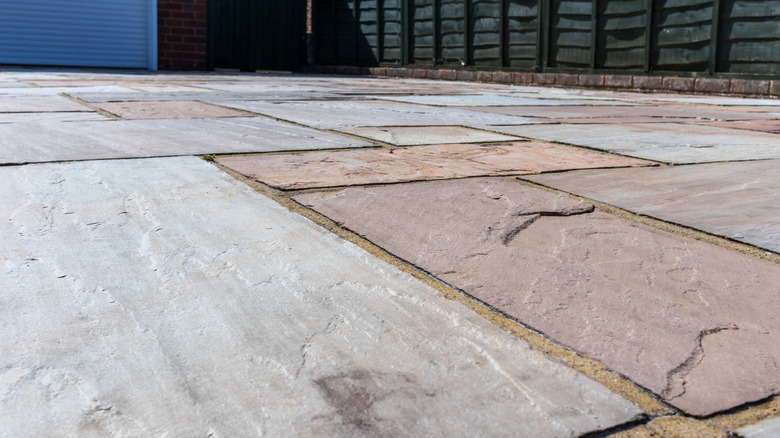
Sandstone pavers consist primarily of grains of sand that naturally combine under pressure — if you look closely, you might even be able to identify some individual grains. Sandstone forms at the bottom of bodies of water in a process that can take 1,000 years or more.
If you live in an area where tough weather and temperature extremes are common, or if you'll be installing the pavers in a location with significant foot traffic, sandstone is a better choice than limestone. It naturally resists weathering and erosion because of its durable composition. For areas exposed to regular moisture, such as near a swimming pool, sandstone pavers are an ideal choice. This material offers a non-slip surface, making it perfect for pathways and patios that are constantly wet. It offers a rougher texture than limestone, which reduces the possibility of slipping. Because sandstone can absorb water more readily than limestone, though, you'll need to regularly seal it to protect it, especially if you install the sandstone in an area with a damp climate.
Aesthetics are another reason to select sandstone. Using these pavers gives an earthy feel to the hardscape around your property. This material is available in multiple neutral colors that resemble a desert or beach, such as yellow, gold, beige, tan, or brown. When iron deposits appear in the material, you may see limited blue, pink, red, or green colors.
When limestone pavers are a better choice than sandstone
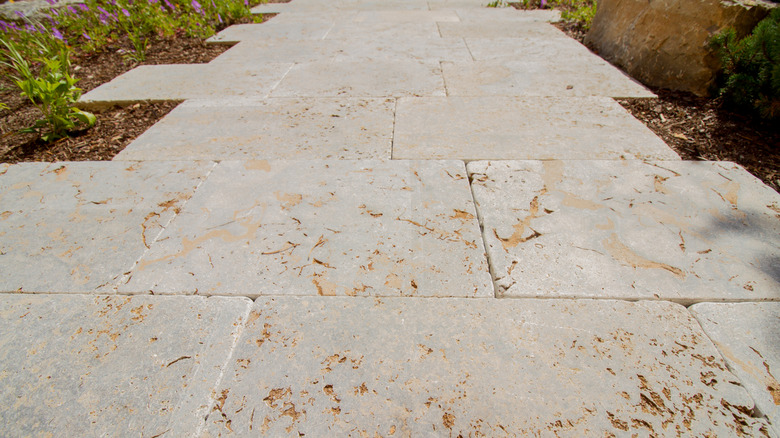
Limestone's primary ingredient is calcium carbonate, which plays a key role in creating a smooth texture. The sleek surface combined with the neutral colors — primarily cream and light gray — gives limestone a high-end, elegant look that nicely complements existing colors you may have around your patio or other exterior areas. Some types of limestone will appear in brown, yellow, blue, or taupe colors, though these are less common.
Both materials are extremely durable, but limestone slightly beats out the competition, which makes it one of the best paver stones to use for a driveway. It is a dense material, which enhances its usefulness in an area that must support a lot of weight from vehicles. When using pavers over a large area like a driveway, you will appreciate that limestone requires less maintenance than sandstone, saving you time. Because limestone has slightly different colors, veining, and shades from paver to paver, even when they're cut from nearby quarries, it can add an interesting look to an area with significant square footage, like a driveway or large patio.
Limestone doesn't absorb water as easily as sandstone, making it a better choice in areas that have a lot of rain and humidity — though it does still present a bit of a slip risk. If you live in an area that experiences all four seasons and significant temperature variations (including freeze-thaw cycles), limestone pavers installed outdoors should prove to be a longer-lasting option than sandstone because of this reduced porosity.