

Not Egg Shells: The Overlooked Scrap From Your Furry Friends You Can Compost
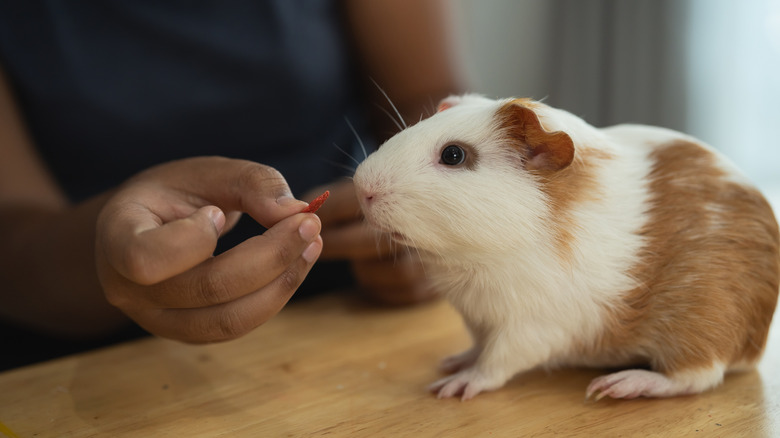
Are you looking for more materials you can add to your compost to bulk it out and make its nutrients more varied? Well, if you've raided the food waste bin for egg shells and still need more materials, there may be one overlooked scrap hiding right under your nose. Bedding for small pets such as rabbits, hamsters, and guinea pigs is often made from natural materials in order to keep the animals safe and healthy. Luckily, this means that those materials can generally be used in compost, too.
Using pet bedding in your compost comes with a variety of benefits — and some important considerations. First, rough materials often used in bedding such as wood chips are great for aerating compost because their jagged texture means that the mixture is less likely to get packed down. This is helpful because compost needs air so that the microorganisms inside can break down the mixture more effectively, although it's worth remembering that larger items do take longer to break down. In addition, simply throwing away used pet bedding may mean that your trash becomes smelly due to the excrement inside. Composting animal poop, on the other hand, can help to neutralize these odors. Finally, the feces from animals is great for making compost more varied and healthy — this is why manure from horses and cows is often added to store-bought compost mixtures. So, if you're wondering what to do with all that spare pet bedding, why not use it in your own DIY compost?
How to add pet bedding to your compost
One of the most important things to keep in mind when using pet bedding and waste in your compost is that it should only be done with refuse from vegetarian animals. Excrement from meat-eating animals is one thing you should never add to a compost heap because it can contain harmful organisms that do not break down during the decomposition process. It's also important to check the ingredients of the bedding used by your vegetarian pet to be sure it isn't made with any chemicals or synthetic materials, as these can take decades to break down and are often harmful to wildlife. It's best not to use any bedding from animals that are sick or taking medication either, as this can negatively impact the safety and health of the soil.
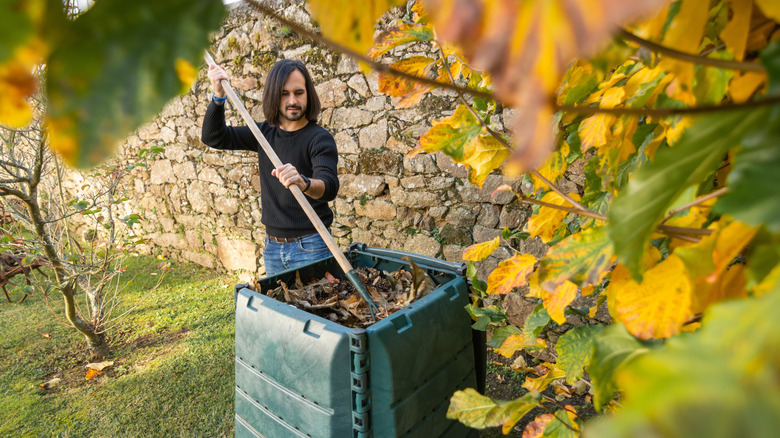
Start by gathering up the bedding — this should be done while wearing protective gear like gloves and a mask — and adding it to your compost heap. Once added, make sure to turn the mixture over to give it some air. In order to speed up the decomposition process, you'll also want to make sure the mixture is balanced. Wood shavings, for example, are what's known as a "brown" material because they're high in carbon. So, after adding paper or wood shaving bedding, make sure to add about half that amount in "green" materials like lawn clippings and food scraps, which give your compost pile a serious nitrogen boost and help balance the carbon. It can take around two to six months for pet bedding to decompose enough to be usable; you'll be able to tell when it begins to smell like true soil.