

5 Storage Shed Safety Tips To Protect You And Your Tools
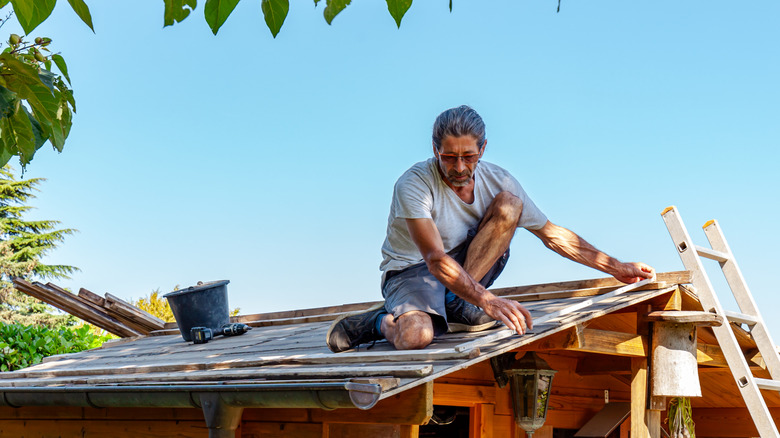
Whether you've built your own DIY shed, assembled one from a kit, or hired a contractor to build a custom design, adding a storage shed is an excellent way to organize your tools and create a small work area out of the elements. However, the quality of the build and the durability of the unit can vary significantly. Cheap kits may have thinner, flimsier materials than a pricier structure that you hire a contractor to build from scratch, and may in turn be more vulnerable to damage and theft. Fortunately, you can take steps to secure almost any quality of structure to make it safer for you and your tools. These include proper tool organization, structural maintenance, and investing in anti-theft measures.
The shed's build quality plays a role in its safety in a number of ways. For example, cheaper structures aren't always waterproof, making them subject to rain penetration, potentially causing your tools to rust. If moisture can penetrate the structure through tiny gaps, mice and other pests will probably also be able to find their way inside and cause damage. These structures are at risk of being broken into, too. Even if you place a lock on your shed's doors, burglars might look for weak points elsewhere in the structure that allow them to gain access. You may not necessarily think the items in your shed are valuable, but burglars may see an opportunity to break in and grab tools to resell or even to use to break into your garage or home. Maintaining and securing your shed will protect it against these unwanted problems and more.
Stay organized to protect the people using the shed

Following some basic shed organization tips will keep the space safer for everyone using it. Start by installing shelves and mounting hangers on the walls to keep tools and equipment off the floor. Items that are left on the floor or piled in a corner could create a trip hazard. Additionally, by hanging garden tools after each use, you'll improve airflow and allow them to dry faster, which should prevent rust.
When adding items to the shelves in your backyard shed, use a simple but important organizational tactic. Place the heaviest items on the bottom shelves, saving space on the upper shelves for lightweight items. This should reduce the risk of the shelf tipping over or the heavier items falling and hurting someone. Some people also find it easier to remain organized by adding labels throughout the shed.
If you have flammable materials stored inside, such as gasoline or solvents, make certain they're stored in appropriate containers. Store them where children and pets can't access them. Keep a fire extinguisher in the shed that's rated to handle the specific flammable materials you're storing.
Don't skip maintenance tasks to ensure structural integrity
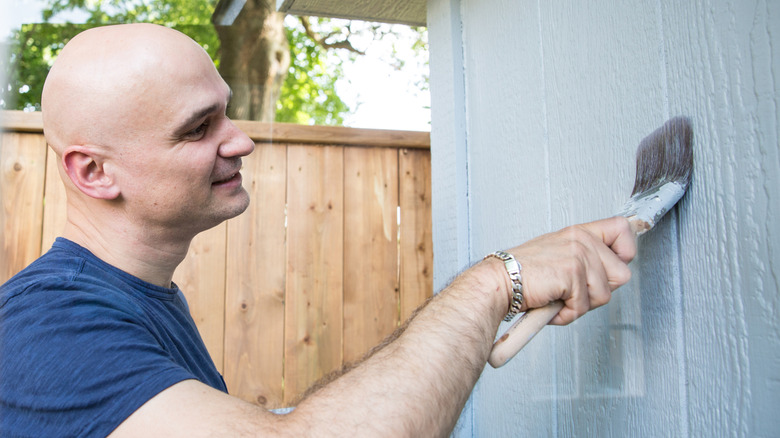
Maintaining the structural integrity and foundation of the shed is important for lengthening its lifespan and protecting the people who are using it. Check the structure for any settling, which can cause it to fall out of level and potentially collapse. In fact, before even constructing your shed, it's essential to ensure it has a solid foundation that will keep it level and make it safe to use. A poor foundation could allow moisture to enter the shed and ruin your items.
Regularly reapply paint or stain on your shed to provide moisture protection and prevent rotting or insect damage. Wood sheds may need painting or staining every few years. Vinyl sheds usually don't need painting, but you should regularly clean them. Metal sheds may suffer from rust without regular painting that protects the material. The coating should protect the structure from damaging UV rays that could shorten its lifespan.
To keep moisture from damaging the materials or the tools stored inside, you may also need to add new seals or caulk near doors and windows. Lastly, inspect the roof for damage, like loose shingles, that could allow rain to penetrate the structure.
Reinforce weak points and add anti-theft measures
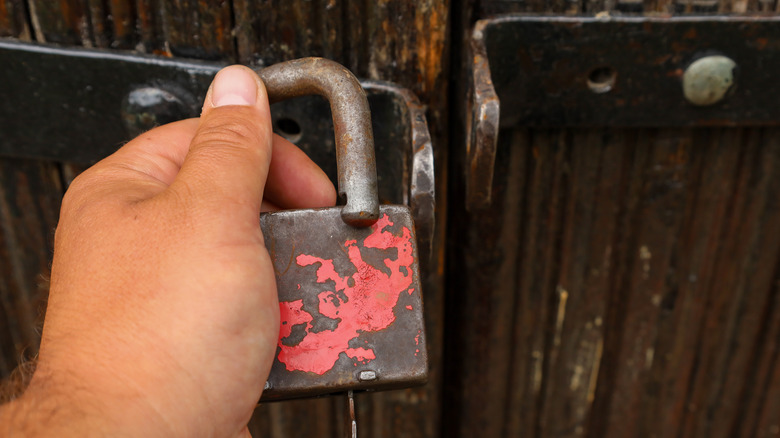
Even if your shed is located in a backyard with a fence, burglars might attempt to break in and take your items. It's important to lock the doors after each use to ensure the shed is not an easy target for a burglar. Select an outdoor lock that will stand up to weather exposure and cannot be easily tampered with or cut.
Regularly inspect the shed's natural weak points, such as doors, hinges, and windows, for loose parts. Consider replacing your hinges' screws with carriage bolts, which would prevent a burglar with a screwdriver from easily breaking in. You could also add metal bars or screens over the windows to prevent easy access through them. Add curtains or frosted glass coatings to prevent people from seeing what's stored inside the shed.
For additional security, consider installing motion-sensing security lights near the shed. Many of these lights are solar-powered, which simplifies installation near a shed that doesn't have electrical power. Some people also mount motion-triggered security cameras near the shed to deter would-be burglars or to catch them in the act.
Keep weeds, brush, and tall grass trimmed near the shed
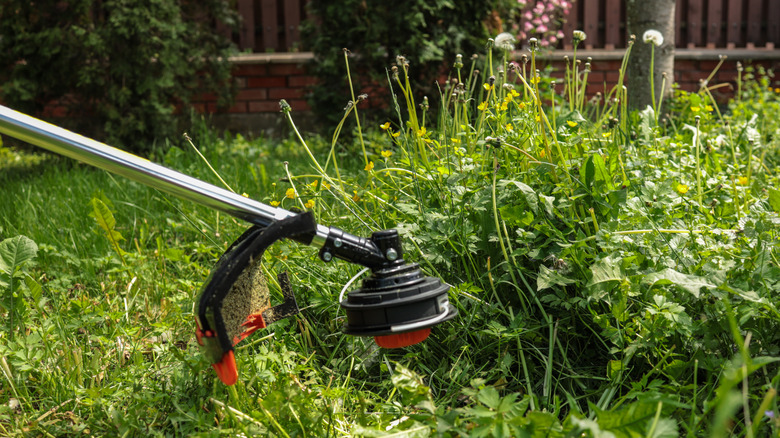
If you have tall weeds or brush near the shed, these areas could give a burglar a hiding place while studying the shed for any weak points. If you leave old tree branches, firewood, or unkempt bushes near the shed, it can also serve as an area for rodents and other pests to hide and nest. Additionally, nearby long grass and untrimmed bushes will trap moisture from rain or morning dew, leaving the shed's materials more susceptible to wood rot, rust, mold, and mildew formation.
Whether you choose to use a string trimmer or a brush cutter to manage the weeds, brush, and grass around the shed, you'll ideally keep 2 to 3 feet of space tightly mowed around the structure. This distance will eliminate those hiding spots and make accessing all sides of the structure easier, while also allowing more air to circulate around it, which keeps the materials drier.
Trim trees that are hanging near the shed to keep fallen leaves and branches from striking the roof. Cut out any nearby volunteer trees as soon as possible. The longer they grow, the more difficult they are to eradicate.
Take regular steps to thwart mice and other pests

Rodents like to nest in places that don't have a lot of human activity and that offer shelter from the weather, making your garden shed an ideal location for them to try to establish a nest. If you don't take steps to eradicate them, mice and rats can cause significant damage to your storage shed's structure and the items inside. You also don't want your family to become ill from exposure to rodent droppings in an enclosed space like a backyard shed. Cover holes and gaps with metal flashing or hardware cloth. If you must store food in the shed, keep it in tightly sealed, metal containers and clean up any spills right away.
Dangerous insects like wasps will often build nests directly on backyard sheds, as they can find protection from the weather under eaves or inside. Inspect the shed for any gaps or holes these insects may use to establish nests and seal them. Consider spraying wasp nests as soon as you notice them on or inside the shed and while they're small to eliminate these insects and reduce the risk of you or family members being stung.