

Feel Bad About Killing Snails? Grow Plants They Won't Eat Anyway
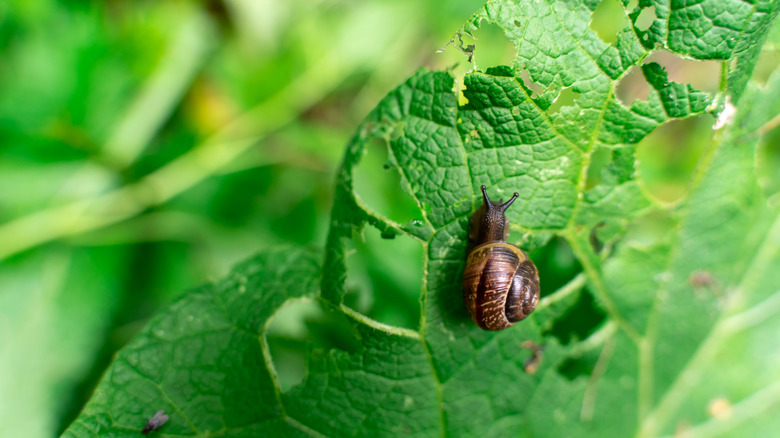
When it comes to common garden pests that turn your prized plants into a buffet, snails are a frequent culprit. When snails feed, they do so indiscriminately, eating everything from foliage to flower to fruit, and they leave behind holes in their wake. When you're only dealing with the occasional snail, this may not provide anything beyond a cosmetic problem, but large snail populations can be detrimental for your garden. However, for all the damage they cause, snails also offer a variety of benefits, acting as decomposers. As a result, while you may not want to welcome them with open arms into your garden, you may wish for a way to humanely direct them elsewhere. Fortunately, there are a variety of plants that snails tend to avoid, ranging from fragrant herbs like lavender and rosemary to textured plants like lamb's ear.
While switching up the plants you grow won't fully eliminate snails in the garden, it can be a great way to reduce their numbers to something more tolerable. At first glance, it may seem like snails eat anything available to them, but they're actually quite picky eaters, and there are various plants they choose to avoid. Snails typically avoid plants that are heavily fragrant, such as many common herbs, as well as plants that have textured leaves or spines, such as foxgloves or lady's mantle. Because of this, including these plants can be a great way to keep snails (and even slugs) out of your garden.
Lavender
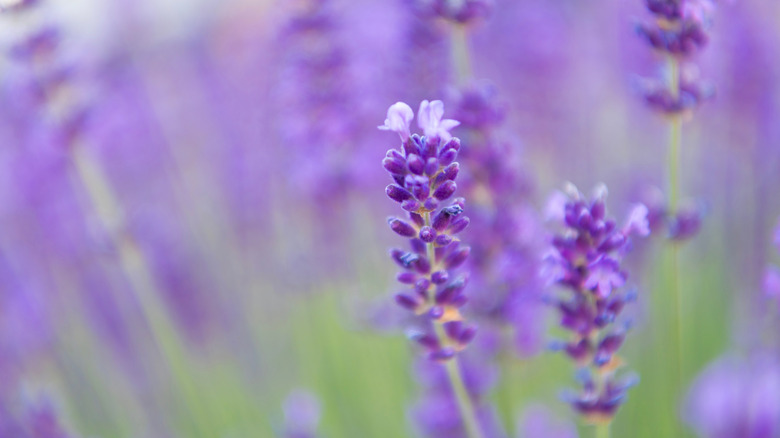
Lavender (Lavandula spp.) is often a go-to for gardeners looking for beneficial garden herbs. On the surface, it's an overall visually appealing plant that can be easily harvested for use inside the home — such as making potpourri to craft an inviting scent in your entryway. However, when planted, it's also useful for keeping snails at bay. That's because the very same fragrant flowers that make lavender such a lovely addition to your garden makes them unsavory to visiting snails and slugs, encouraging them to look elsewhere for their next meal. Common lavender (Lavandula angustifolia) is hardy in zones 5 through 9.
London pride
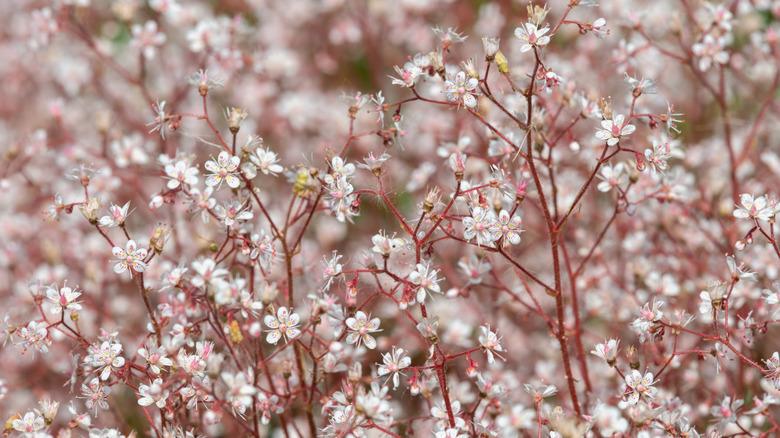
London pride (Saxifraga x urbium) is a top plant pick if you're looking for options that snails usually won't bother eating in your garden. As mentioned above, snails don't like plants with unusual leaves. London pride sports thick foliage which can be difficult for snails to eat. You may still have the occasional nibbler, like with all plants, but you often won't need to worry about snails trying to take a bite of this plant. London pride is an evergreen perennial, but it has a very limited hardiness range, only being winter hardy in zones 6 and 7.
Goldenrod
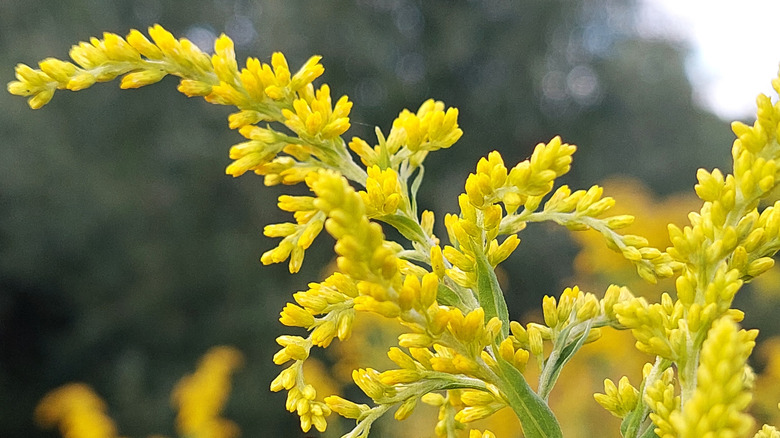
When it comes to helping keep snails at bay in your garden, goldenrod (Solidago spp.) pulls double duty. First, this plant attracts a variety of beneficial animals to your yard. While many people grow goldenrod in pots to attract butterflies, it also attracts birds and other species which may also eat snails. However, goldenrod also just so happens to be one of those plants that snails typically won't eat anyways. As a result, it can make a great choice for building a wildlife garden that excludes mollusks. Though there are many species, it's hardy in zones 2 through 8.
Foxgloves
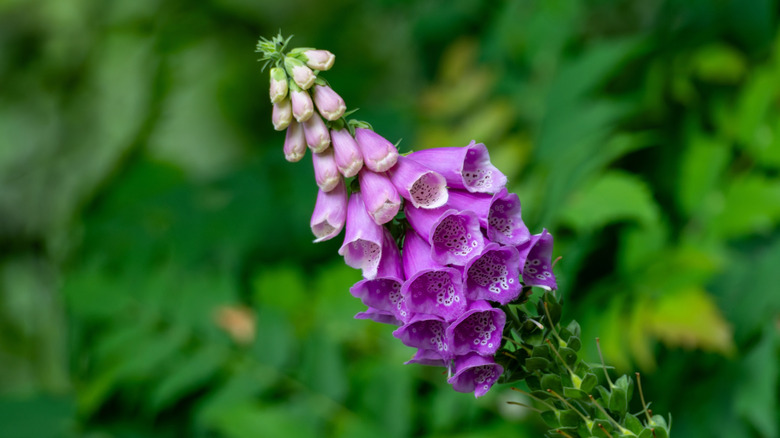
Foxglove (Digitalis purpurea) is a highly toxic plant, which means you may want to skip adding it to your garden if you have curious children or pets that frequent your outdoor spaces. However, it's also resistant to snails, which is perfect if you want to add unique color while curating a garden that they won't want to eat. Foxgloves are biennials. They're winter hardy in zones 4 through 9, and they require soil with an acidic pH. This means you likely won't want to pair them with other snail-deterring hacks like adding crushed egg shells to the soil. Just keep in mind that these blooms are considered invasive in some parts of the US, like the Pacific Northwest, and should not be planted there.
Rosemary
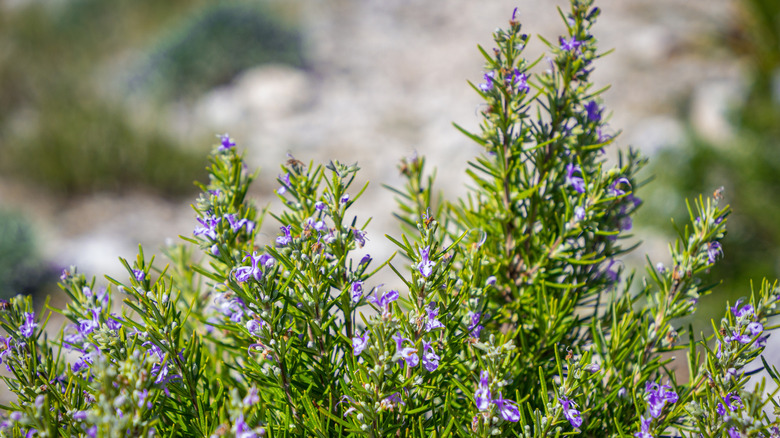
As you learned above with lavender, highly fragrant herbs can be one of the best ways to deter snails in the garden. However, lavender isn't the only option you can rely on. Instead, other scented herbs, like rosemary (Salvia rosmarinus) are also good at deterring snails. Aside from its usage in cooking, some people may grow rosemary specifically for its irresistible fragrance. While its scent may be a fan-favorite for some humans, however, it's that same quality that causes snails to often find a different meal to rely on instead. Rosemary is hardy in zones 8 through 10.
Common fleabane
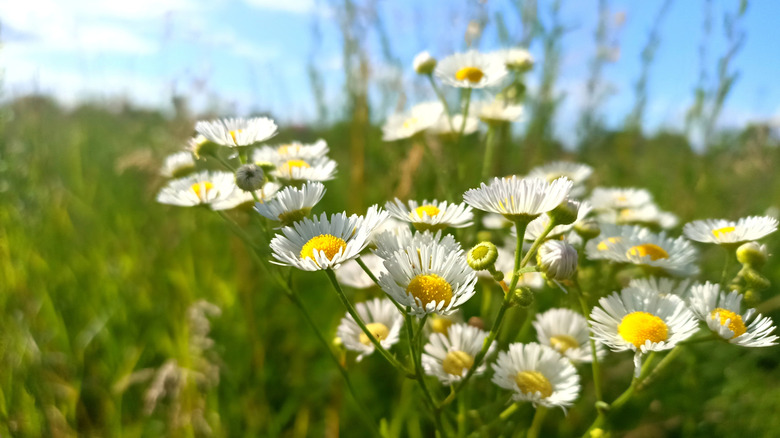
Also known as daisy fleabane, common fleabane (Erigeron spp.) is another good genus to consider when looking for plants that snails won't eat. Common fleabane has two methods of deterring pests from the garden. First, like rosemary and lavender, it can be quite fragrant. Second, however, is its hairy leaves. Because of the texture, snails tend to avoid common fleabane in the garden, typically choosing other plants with average leaves instead. There are several species of common fleabane, with hardiness zones ranging from 2 to 11.
Nasturtium
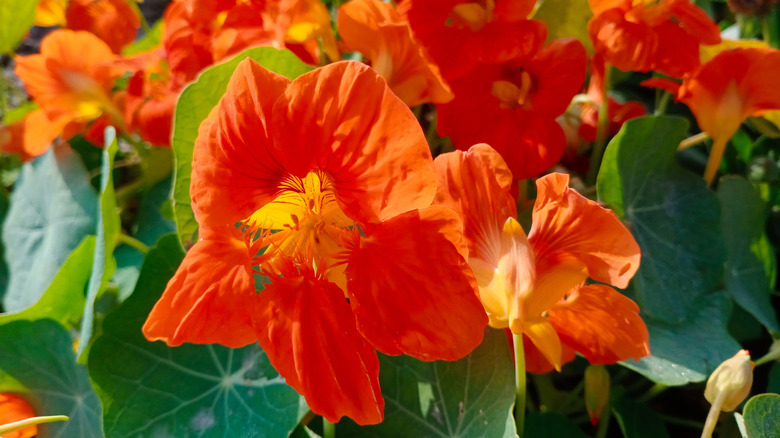
When it comes to keeping snails out of your garden, nasturtiums (Tropaeolum spp.) can pull double-duty. First, snails (and slugs) tend to avoid eating the foliage from this plant. The peppery scent flowers are also often undesirable, repelling unwanted garden pests. As a result, if you feel bad about killing snails in your garden, adding these flowers can help keep them at bay. Nasturtiums are also edible, however, and they can attract beneficial pollinators to your garden, making them a good multi-functional plant for maximizing usage in a smaller garden. Just keep in mind that they are an annual. Be careful, as these aggressive self-seeders can act invasive in mild areas.
Lady's mantle
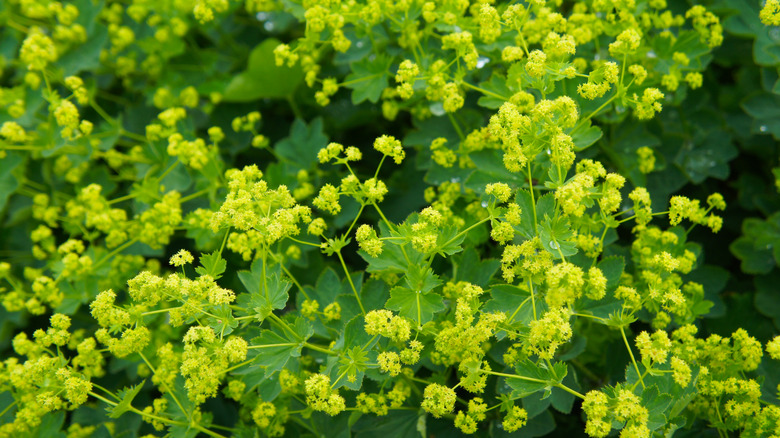
Lady's mantle (Alchemilla mollis) is another beneficial choice. While you may choose it specifically for snails, this plant also repels slugs from the garden. Although its leaves are soft, which is often what snails look for when picking out the perfect plant to make their next meal, the leaves are also covered in a fine layer of hair. This makes lady's mantle far more unappetizing to these unwanted mollusks compared to other soft plants. Lady's mantle is a perennial, and it's winter hardy in USDA growing zones 3 through 8. It can handle most levels of light. Use caution if you live in the Pacific Northwest, where Lady's mantle can behave aggressively.
Cranesbill
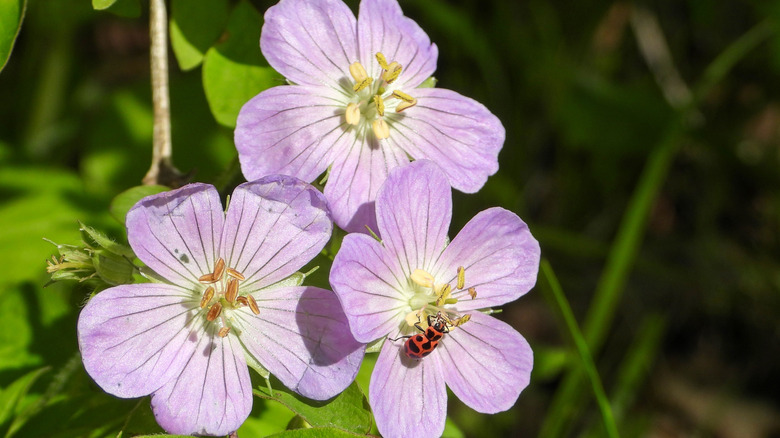
Picking plants that snails won't eat anyways doesn't have to mean taking on a challenging collection. Instead, there are many easy-to-grow plants that snails avoid as well, including this showy flower. Also known as spotted or wild geranium, cranesbill (Geranium maculatum) is an eastern North American native that's hardy in zones 3 through 11. If you do opt for this plant, keep in mind that snails may target seedlings and younger plants. As a result, you may prefer to add it to your garden after it's established for snails and slugs.
Japanese anemones
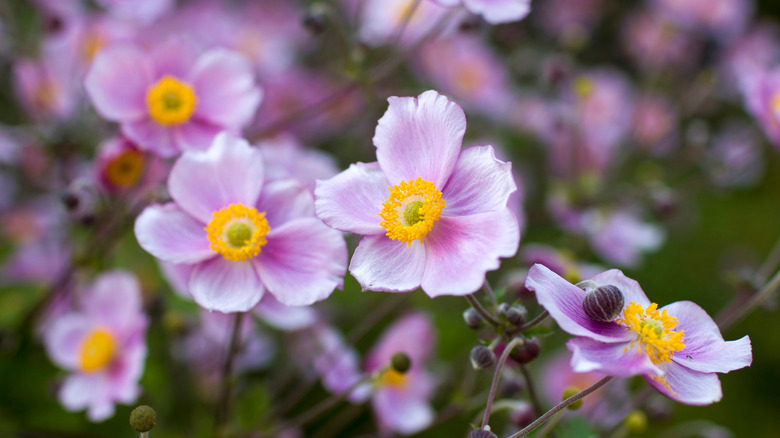
If you want to add a vibrant touch of color while keeping your garden off the menu for snails, Japanese anemones (Anemone hupehensis) may be the solution for you. This perennial thrives in the shade, all while sporting delicate pinks blooms with yellow centers. They're also known to be resistant to snails, as well as slugs and rabbits, which makes them perfect for the garden where visiting wildlife is a common occurrence. If you're looking to take advantage of their year-after-year appeal, make sure you're in the right USDA growing zone. They're hardy in zones 4 through 8.