

Why Is Painter's Tape Blue?
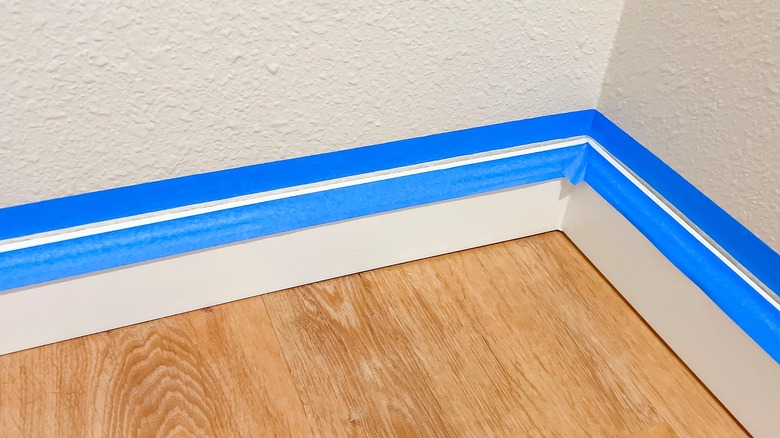
Few tools are as iconic — and indispensable – as a roll of blue painter's tape when it comes to painting at home. If you're crisping up trim work, building a bold accent wall, or embarking on a meticulous weekend DIY, that vivid blue strip is the silent hero standing between a flawless finish and a jagged mess. But millions of homeowners reach for it without a second thought, unaware that the story behind its bright blue hue is more than a random design choice. From high-stakes branding strategy to clever chemical engineering, there's a surprisingly practical reason why this painter's staple looks the way it does.
So why the blue hue? The biggest reason comes down to simple branding. Before painter's tape existed, people used traditional off-white masking tape. The problem? Standard masking tape has an aggressive adhesive that bakes onto walls, shreds into tiny pieces when pulled, and pulls off drywall and fresh paint.
Knowing how to choose the right kind of painter's tape starts with understanding these adhesive levels, as using the wrong tape can easily ruin a surface. When 3M invented a low-tack, easy-release tape in the late 1980s, it needed a way to visually distinguish it from the cheap, sticky masking tape, so pros and DIYers wouldn't mix them up. The company chose a distinctive royal blue color (trademarked as ScotchBlue). Once 3M dominated the market, blue tape became synonymous with painter's tape, allowing competitors to follow suit with their own blue offerings.
Why blue tape is the default choice
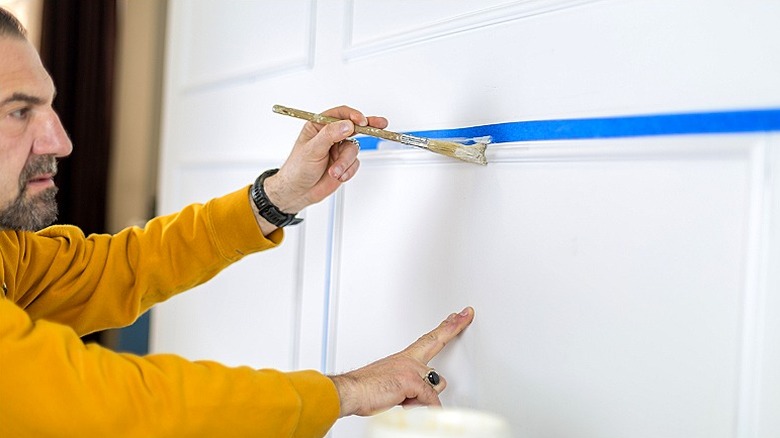
Part of their rationale for the blue color was visibility. Blue contrasts sharply against almost every common paint color – white trim, drywall mud, beige, gray, and even dark accent walls. This high visibility makes it easy to see your exact mask lines while applying tape, but also spot tiny gaps where paint might bleed through.
Having a bold color tape also ensures you haven't left any stray pieces behind after peeling it off. Knowing these application tricks can make a huge difference in your results, so testing out a few clever painter's tape hacks before you start can save you plenty of cleanup time down the road.
One problem with regular beige masking tape is that it degrades quickly under sunlight, thanks to UV rays. The combination of the blue dye and underlying paper formulation are engineered to absorb and resist UV light, allowing the tape to stay stuck — and still peel away cleanly – for up to 14 days for most, even on sunny windows or outdoor trim.
Painter's tape colors other than blue
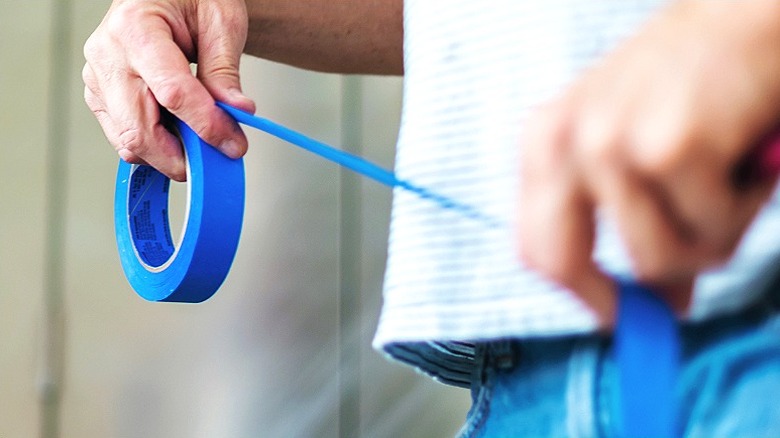
If you're a DIYer and have spent time in the home improvement aisles, you've most likely noticed that blue painter's tape dominates, but isn't the only choice. There are other colors available, like green and even yellow or purple.
Choosing between blue versus green painter's tape comes down to the surface and the application. Blue is the standard for medium stickiness, but green tape often offers stronger adhesion for rough surfaces like brick. As for projects that need an ultra-gentle touch, choosing a purple or yellow painter's tape is your best bet, as standard blue tape might pull up fresh paint on delicate finishes.
Other colors certainly have their time and place, but classic blue tape is still the go-to for standard painting projects. It sticks well, pops against almost any wall color, and pulls away cleanly — making it an easy essential to keep in your toolbox.