

Painter's Tape Vs Masking Tape: What's The Difference?
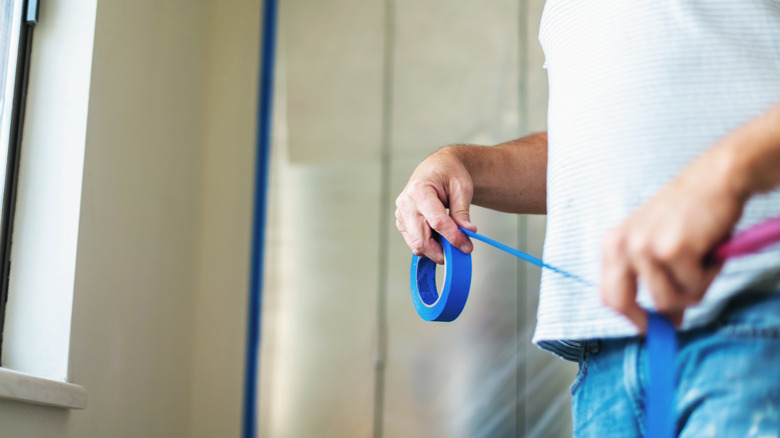
If you're preparing to paint, you're going to need the right kind of tape to make sure your lines come out straight. Of course, painter's tape is the obvious choice (after all, it's right there in the name), but if you've got an old roll of masking tape lying around, you might wonder if you could use that instead. The short answer? No. While painter's tape and masking tape might seem interchangeable, there are key differences between the two — and the most important one is how they're used.
Painter's tape is specifically designed for painting projects, while masking tape is better for more general-purpose projects, like labeling and repairing items around the house. Cost is another category where these two types of tape differ, since painter's tape is typically pricier than masking tape. That might not matter too much if you only need a roll or two, but it can add up quickly if you're taping multiple rooms or your whole house.
Before we look at more of the differences between the two kinds of tape, let's run through some of the things they have in common. Technically speaking, painter's tape is a type of masking tape — meaning that all painter's tape is masking tape (but not vice versa). Both types are made with crepe-paper backing and are on the thin side, so they feel similar. They come in a variety of colors, but most often, masking tape is off-white and painter's tape is blue or green.
Should you choose painter's tape or masking tape?
For most painting jobs, you'll want to use painter's tape rather than masking tape. There are a few reasons for this, but it mainly comes down to the design differences between the two. Specifically, painter's tape is engineered to resist water-based and oil-based paints, so it's better than masking tape at preventing seepage or bleeding. That's why it's easier to get flawless paint lines with painter's tape. The difference in adhesive also comes into play here. Compared to masking tape, the adhesive on painter's tape is less sticky and designed to peel off cleanly without leaving residue behind, even if it's left in place for multiple days as the paint dries. You can also use painter's tape to protect more delicate surfaces, like glass or mirrors.
Keep in mind: There are different kinds of painter's tape, so you'll want to make sure you're choosing the right kind of painter's tape for your specific project. Blue tape is the most common variety and is ideal for painted drywall. On the other hand, green tape — which has a stronger adhesive backing — is a better option when you're painting rough or exterior surfaces. Meanwhile, yellow tape is the least adhesive, which makes it suitable for delicate areas like wallpaper.
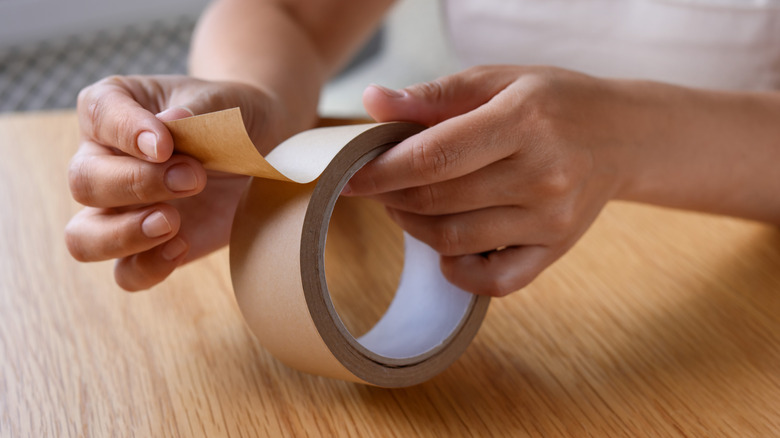
Don't plan on painting? Masking tape should be fine for other lightweight uses around the house. In fact, it's quite a versatile product. For example, you can use it to seal boxes before putting them in storage, label drawers in a workshop or garage, or hold arts and crafts together.