

Underground Homes Are Rising In Popularity: What Are The Benefits?
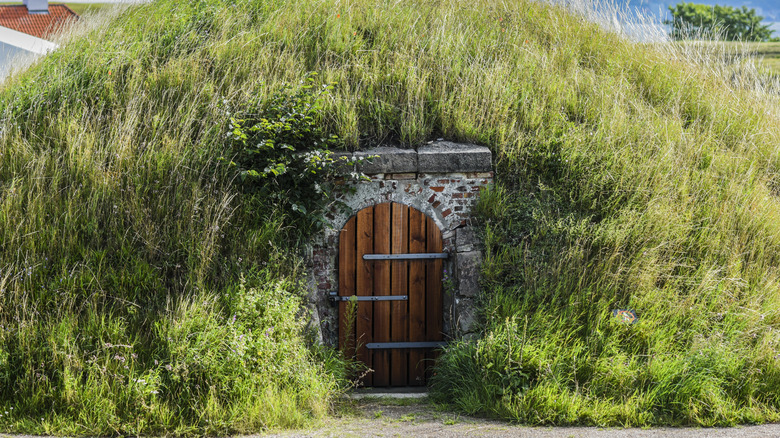
When you think of an underground home, do you picture a dome-shaped hobbit-hole or a hidden bunker? You can forget everything you think you know. Modern underground homes don't have hobbit doors or give off damp bunker vibes. They look like regular homes that just happen to have a hillside for a backyard wall, and they're slowly inching up in popularity. From utility bills that barely budge with the seasons to a quiet so complete you forget neighbors exist, we're digging into the benefits of this unique way of living.
There are two types of earth-sheltered homes. An underground house is built completely under the ground, while a bermed house is either partially underground or built above ground with soil against at least one of its exterior walls, giving you the best of both worlds. With changing growing zones affecting your garden, an underground home maintains a comfy indoor temperature all year, regardless of what's happening outside. That's because the soil is a natural insulator, which helps keep the temperature more stable than the air above it. During the summer, the soil stays cooler and keeps heat out. In the winter, the earth holds onto that warmth, reducing heat loss. Because the home isn't constantly battling temperature swings, heating and cooling systems don't have to work nearly as hard as they do in conventional homes.
Besides energy efficiency, an underground home also offers a slew of other benefits that might make you break out the shovel.
Underground homes bring a different way of living
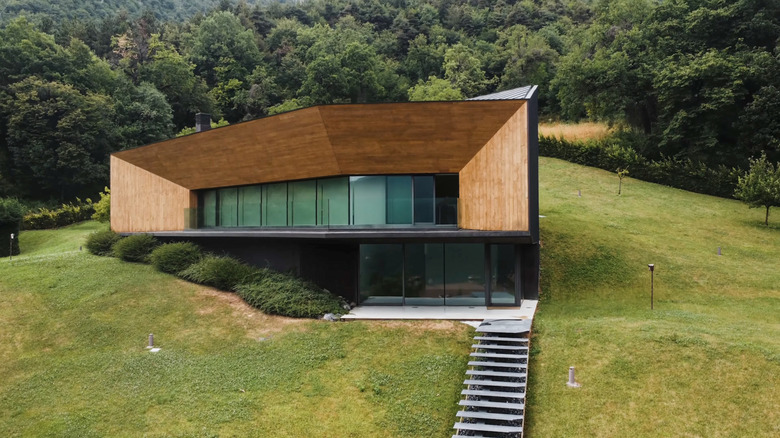
In the U.S., underground houses began surging in the 1960s, and by the late '90s, it was estimated there were between 5,000 and 7,000, according to the book "Underground Buildings: More Than Meets the Eye." These include the $35K Illinois home that's entirely underground, which takes the look to the extreme. But if you need more sunlight inside your home, there's an earth-sheltered house for sale in Garberville, California, on Realtor.com, built right into the hillside with windows on one side overlooking a pretty meadow. So why the sudden interest in underground houses? Most people are trying to be more eco-conscious, and underground houses are a good start. But there are lots of other reasons, especially across certain U.S. regions.
Although no home is completely protected from extreme weather, underground homes show more resilience against the elements that damage most traditional houses. And for anyone living along hurricane corridors or who's experienced what an EF1 tornado does to a house, that matters. In addition to helping to prevent temperature swings, the concrete used to build these types of homes is very fire resistant. It's a win-win that means saving money in the long run.
Noise reduction is another highly underrated benefit. Several feet of soil between you and the rest of the world is a really effective sound barrier against traffic noise, barking dogs, and the ambient hum that comes with living in the 'burbs. It's a quality-of-life upgrade that's hard to get without extensive (and expensive) soundproofing.