

This Plant Pairing From The '70s Still Deserves A Spot In A Modern Pocket Garden
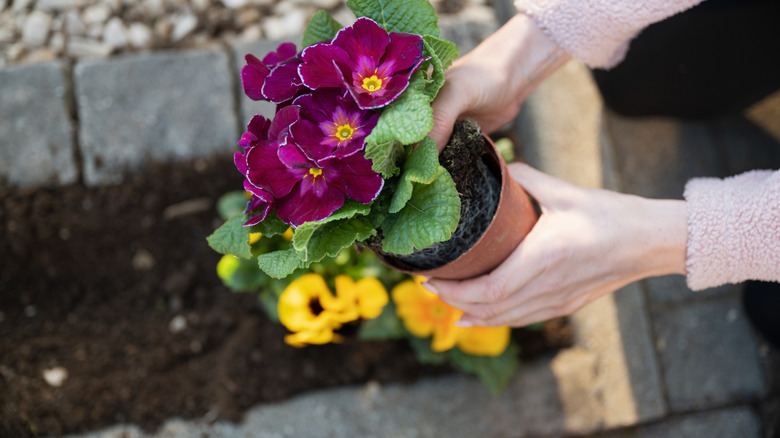
Plant pairing is a practice that's almost as old as time itself. Even ancient civilizations recognized the benefits of companion planting, especially in the vegetable garden. Today, gardeners use the same principles to create attractive combinations that can improve biodiversity and make small spaces feel more intentional. Even pairing different flowering annuals can have numerous benefits. Plus, certain blooms just look stunning together if you're establishing a modern pocket garden. An article in Better Homes and Gardens magazine from 1975 suggested an interesting plant pairing of coreopsis (Coreopsis spp.) and sweet alyssum (Lobularia maritima), which is certainly a mixture you might want to consider for your own garden.
In case you're not aware of what a pocket garden is, it's basically akin to a container garden, except the plants may be grown in the ground instead of in pots. Essentially, it's just a small space with minimal plant groupings in an area that's not part of any larger garden beds you might have. It could be a bare spot up the back of your yard next to the fence or a small unused space at the corner of your patio. Because they require only a few plants, they are an easy way to experiment with color combinations without committing to a large redesign. These spaces are perfect for plant pairings of just a couple of species to create a lovely visual display and provide food sources or habitats for wildlife. This is just another way to add biodiversity to your yard.
Why the pairing of coreopsis and sweet alyssum deserve a spot in your pocket garden
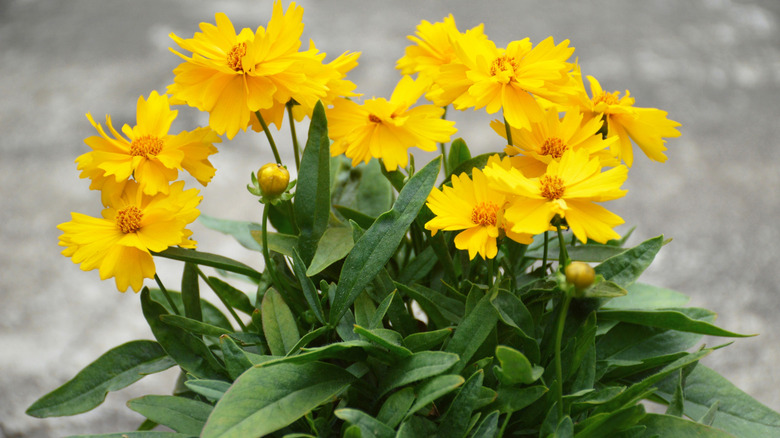
For aesthetic purposes, coreopsis and sweet alyssum look absolutely beautiful together. The small clusters of white flowers on alyssum allow the larger and brighter yellow blooms of coreopsis, commonly known as tickseed, to shine. If you select an annual species, such as plains coreopsis (Coreopsis tinctoria), you can also have a few color variations, including red flowers with yellow centers and vice versa. This cheery long-blooming flower can reach between 2 and 4 feet, so it makes the perfect backdrop to the more diminutive sweet alyssum, which only reaches a maximum height of 10 inches. The difference in height creates a layered effect, helping even a small planting area look fuller and more dynamic. You could also consider growing one of the perennial tickseed varieties, such as Coreopsis grandiflora, which grows well in USDA hardiness zones 4 through 9.
Apart from coreopsis and sweet alyssum adding some gorgeous color to your garden, both species also attract a range of pollinators when they bloom from spring right through to the first frost in fall. Bees and butterflies will be particularly drawn to the blooms of both species, but sweet alyssum and annual coreopsis also provide a food source for beetles and skippers. Plus, you'll find that if you let some of the flowers go to seed, these will be foraged by any songbirds that visit your garden.
How to grow coreopsis and sweet alyssum together in your pocket garden
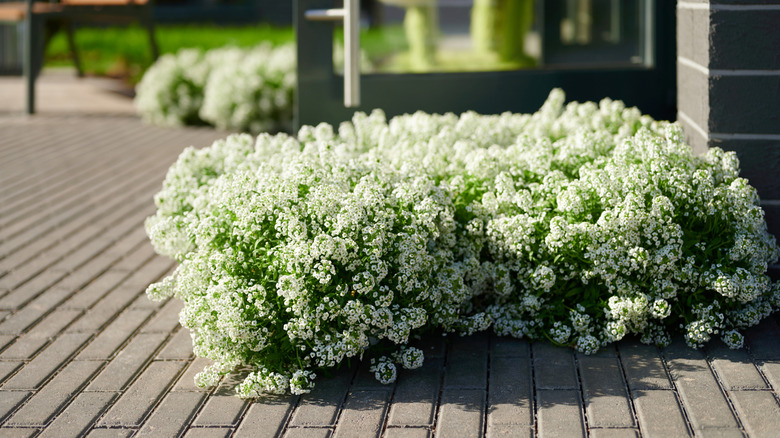
Once you've chosen a spot for your colorful pocket garden, growing coreopsis and sweet alyssum, the sweet, fresh-smelling flower that can deter slugs, together is very easy. Both species are relatively low-maintenance and will provide you with visual appeal all summer long without you having to fuss over them. Ideally, your small garden should be fairly sunny and have well-drained soil, as neither species tolerates having wet roots. Adding a thin layer of mulch around the plants can help retain moisture while keeping the roots from staying overly saturated.
You can start both species from seed in the spring once the danger of frost has passed. Sow the coreopsis at the back and the sweet alyssum in front. Keep the soil moist until the seeds germinate, then only water when the top inch of the soil feels dry. If you've prepared the bed before planting by adding some aged compost, you won't need to fertilize these flowers again as they're not heavy feeders. If you feel so inclined, you can deadhead the spent blooms to encourage more flowers to appear. However, you'll want to leave the flowers toward the end of the season so they can produce seeds that will overwinter in the soil and provide you with a new flush of plants the following spring.