

Do Solar Panels Kill Birds?
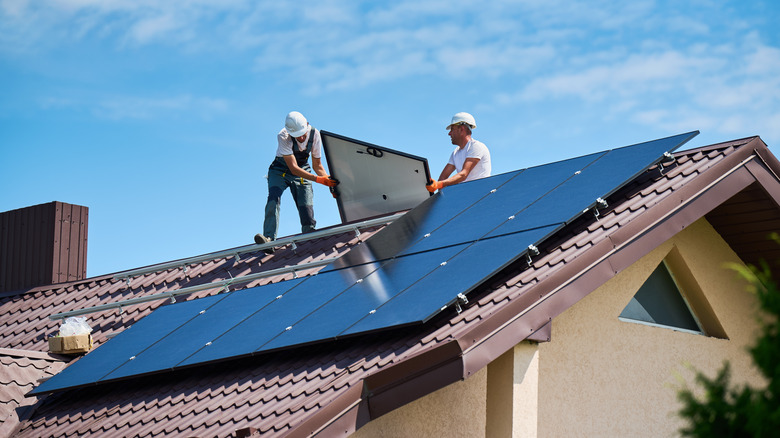
If you've ever looked out at a sprawling field of dark solar panels and wondered how they affect wildlife, you aren't alone. More specifically, the idea that solar panels kill birds is a persistent topic of debate, but the reality is far more nuanced than a simple yes or no. While it's true that large-scale solar installations can pose a threat to feathered visitors, the risk depends largely on the type of solar technology being used and how those reflective panels appear to a bird high in the sky.
When it comes to home solar installations and large solar fields, standard photovoltaic (PV) panels — the kind you'd see mounted on a neighborhood roof or lined up in a sunny suburban field — do not burn or electrocute birds. However, large utility-scale PV installations can introduce an unexpected physical hazard: a phenomenon known as the "lake effect." From high above, a vast expanse of dark, reflective glass is believed to mimic a body of water to flying birds. Migrating songbirds and waterfowl flying overhead can be tricked into diving down to drink, land, or rest, leading to dangerous collisions with the hard panels.
Fortunately for homeowners, individual residential rooftop solar systems pose very little collision risk to migrating birds. Still, even if wildlife isn't a major concern for residential installations, property owners often weigh other factors, such as whether adding solar panels to your home increases its value or what to know before installing solar panels on a rental property. Potential buyers also wonder why it may be harder to sell a home with solar panels due to complex lease agreements or roof maintenance considerations. In comparison, expansive commercial farms do see occasional impacts, but research suggests that standard PV solar kills drastically fewer birds than other fossil fuel plants.
Some solar technology outside of panels can be really dangerous for birds
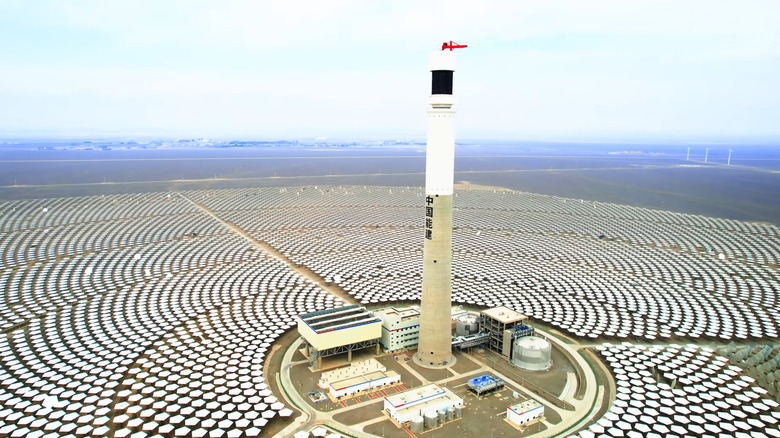
Perhaps lesser known to homeowners are concentrating solar power (CSP) systems. These are not as common as residential solar panels, as they are typically found in vast, sunny desert regions. Instead of standard rooftop panels, these industrial-scale facilities rely on thousands of giant, tracking mirrors to concentrate sunlight onto a central receiver tower to generate heat and electricity.
While efficient at generating power, tower CSP setups create an intense zone of extreme heat within concentrated light, known as solar flux. Because the blindingly bright reflected light naturally attracts swarms of insects, local birds are often drawn straight into the danger zone to hunt. Birds flying through these superheated air beams can suffer severe thermal burns or even fatal injuries. Because of this, massive tower installations like California's Ivanpah facility have faced heavy opposition from wildlife conservation groups, pushing the renewable energy industry to pivot away from thermal towers and toward traditional photovoltaic designs.
Overall, when considering solar panels for your home, you can rest easy knowing that rooftop photovoltaic panels are generally safe for birds. It's also good to know that engineers are developing solutions to reduce impacts to wildlife — such as using anti-reflective coatings, adding subtle visual patterns to panels to break up the "lake effect," and using sonic deterrents. This should ultimately help protect local bird species, while allowing homeowners and clean energy developers alike to harness solar power responsibly.