

When Wet Or Dry: What's The Best Time To Pull Off Painter's Tape?
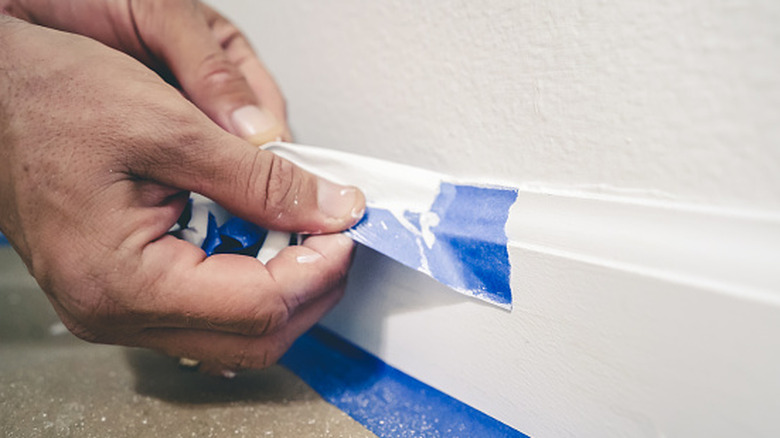
Painter's tape is supposed to be a DIYer's best friend, but wait too long to remove it, and it quickly turns into a wall-ruining enemy. You might even wonder if using painter's tape is really worth the hassle when a simple mistake can ruin your work. While the debate between stripping tape wet versus dry has split home renovators for years, the ideal time is actually much more specific than most people realize. Fortunately, hitting that sweet spot for crisp, professional lines comes down to a simple window of time — and a clever backup trick if you miss it.
The short answer is to pull it when the paint is wet or immediately after the final coat feels dry when you touch it. The magic window for most interior projects sits around one hour after your last coat of paint is applied; the paint should feel dry when you lightly touch it, but it hasn't completely cured yet. When the paint is overly wet, you risk smudging your new wall color or dropping paint-covered tape onto clean floors and molding. If it's fully cured, the paint creates a solid, continuous film over the tape edge, meaning pulling the tape will tear off chunks of your new wall color.
If you are only applying one coat of paint where reapplication isn't needed, pulling while wet works great, provided you handle the tape carefully. Apply your paint, wait about 10 minutes for any immediate drips to settle, and pull the tape immediately before the paint forms a skin. If you choose this method, you'll need to have a trash can or drop cloth right next to you to fold the wet tape onto itself as you pull so you don't accidentally smear paint on your clean surfaces or flooring.
How to remove the tape if you miss the window
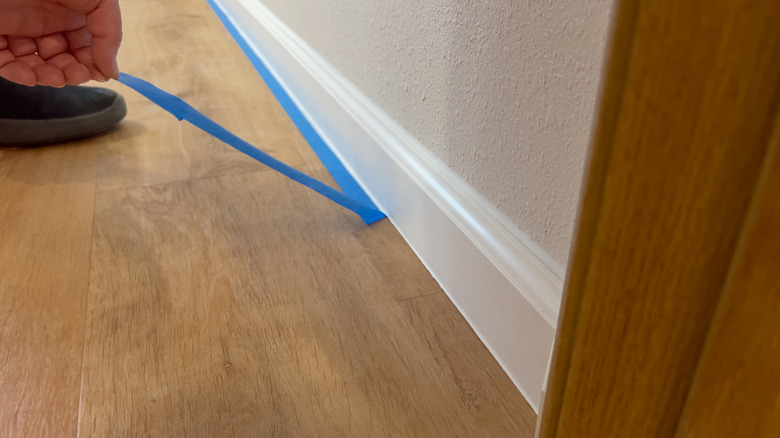
If you missed the window and the paint has completely dried and cured, don't panic. The most important thing to remember in this scenario is not to pull the tape instinctively. Instead, take a sharp utility knife or razor blade and gently slice along the line where the tape meets the wall. This breaks the paint film seal so the tape releases cleanly without pulling the fresh paint with it.
To get a razor-sharp line without damaging your wall, you'll want to slowly peel the tape back on itself at a 45-degree angle relative to the wall line. Pull with continuous, low force close to the surface. If the paint starts to lift or drag, stop pulling and use a razor blade to lightly score the joint before continuing. If you want to take your prep work a step further, you can also use a hack that gives you flawless paint lines every time by sealing the tape edge with a thin layer of base paint before brushing on your wall color.
Beyond angle and tension, knowing how to choose the right kind of painter's tape plays a massive role in how easily it releases after drying. Standard blue painter's tape is generally rated for 14-day clean removal, but delicate-surface tape (often yellow) uses a lower-tack adhesive that is far more forgiving if you know you'll be leaving it on for several days. If you do end up with a small torn section despite your best efforts, don't attempt to slap fresh paint over the jagged crater. Lightly sand the torn edge flat with fine-grit sandpaper, wipe away the dust, and touch up the spot with a small artist's brush for an invisible fix.