

Why Does Your GFCI Outlet Keep Tripping — And Should You Be Concerned?
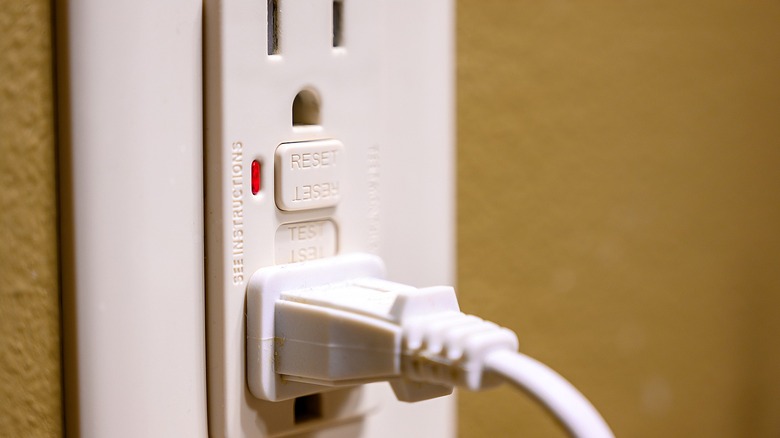
If you have GFCI receptacles in certain locations of your home, you probably like the peace of mind that they provide, as they contain built-in safety features meant to prevent electric shock. However, they may sometimes cut off the power in situations where there's no real risk of suffering a shock. If the GFCI outlet trips when it seems to be operating properly, it could be protecting you from an issue somewhere else on the circuit.
If you have a GFCI (or ground fault circuit interrupter) outlet that continually trips, you shouldn't just press the reset button and hope that nothing is wrong with the outlet or the electrical wiring. Instead, take some time to investigate the problem and determine whether the issue is something you can fix yourself or you need the help of an electrician. Common reasons why a GFCI outlet may trip include dampness in the outlet, deteriorating wiring, an overloaded circuit, and malfunctioning appliances.
Some GFCI-related problems are more concerning than others. By taking the time to properly diagnose the reason you're seeing a red light on your GFCI outlet, you might be able to avoid the potential inconvenience and expense involved with replacing these outlets.
Issues with wiring and moisture in the outlet
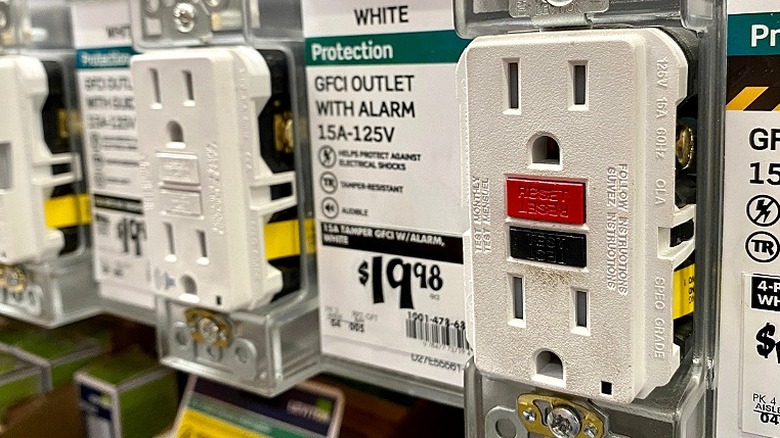
When the wiring connected to a GFCI outlet has frayed insulation, it can cause a GFCI to trip. The conductive copper wiring has insulation around it that's commonly made of polyvinyl chloride (PVC) and similar materials. Sometimes, this insulation will become cracked or brittle, which can cause electrical issues.
The GFCI outlet may detect this error because the power flowing into the outlet is at a different level than the power that's flowing out; if so, it'll trip and cut off the power immediately. If there's enough damage to the wiring's insulation that it's causing the GFCI receptacle to trip in this way, it can lead to fires, damage to appliances, or electric shock if it isn't repaired or replaced.
Moisture in the GFCI outlet can cause it to repeatedly trip, too. It doesn't take a lot of moisture from flooding or spills to interrupt the electrical current. If an appliance that's plugged into the GFCI has moisture affecting its performance, it can trip the receptacle by causing a ground fault. A wet GFCI outlet that's repeatedly tripping is dangerous because the chance of electric shock is higher.
If such moisture eventually causes the GFCI receptacle to corrode, this turns into a common fire hazard in a bathroom or kitchen. Because of the danger, cut off power to the GFCI until it dries. You may need to replace it because of corrosion.
Overloaded outlets or malfunctioning appliances
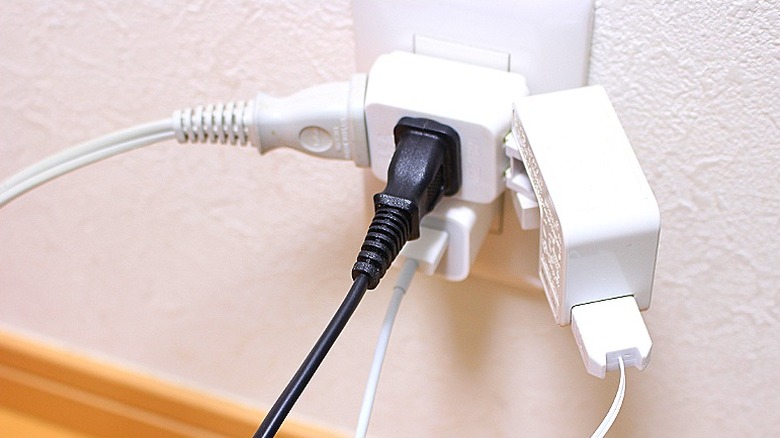
Another common reason why GFCI outlets trip is because you have too many items plugged into one outlet. This problem occurs more frequently if you have multiple power-hungry appliances plugged into the same GFCI receptacle, which can be a dangerous situation due to possible overheating.
However, this particular problem is less worrisome because you can easily fix it yourself by moving some items to another outlet. You can also call an electrician to add one or more outlets in the same area to alleviate the stress on the first GFCI. Also note that leaving too many items plugged into one GFCI outlet may shorten its lifespan.
As for appliances, if an appliance that's plugged into a GFCI outlet is malfunctioning or has faulty wiring, it could cause the receptacle to trip as well. Such an appliance might be leaking electrical current – that is, the current is flowing off of its intended path. Once the GFCI detects this, it'll disconnect the flow of electricity to be safe.
To figure out which appliance is causing the problem, unplug all of them. Then plug them back in one at a time and turn them on to see if any of them cause the GFCI to trip. If you find an appliance is causing the problem, don't dismiss that warning by using a different outlet. Replace or repair the appliance before plugging it back into any outlet in your home. (Learn why you shouldn't ignore the buzzing sound of outlets.)