

Purple Drywall Vs Green: What Is The Difference?
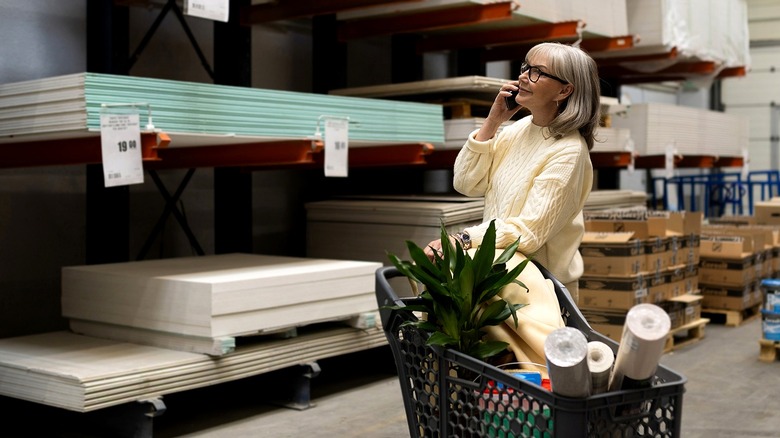
If you're not a builder, designer, or home improvement enthusiast, you really don't need to know all that much about drywall beyond filling small holes in a pinch. After all, it seems pretty simple — it's just a big sheet of material that makes up the finished surfaces of most modern homes, right? In most cases, yes, but things get more complicated when it comes to rooms in a home that have to handle high levels of moisture, such as bathrooms. This is where purple and green drywall come into the picture.
All drywall is simply gypsum plaster sandwiched between some layers of paper, but colored options boast additional coatings and features that make them well-suited for particular uses. Both green and purple drywall are better at handling moisture than other options, but purple drywall is considered more water-resistant overall.
Green drywall's paper layer contains a thin coat of wax that helps to wick away water and keep it from building up in the material. Purple drywall, meanwhile, is made of a gypsum core and recycled paper coating that's been specifically treated with mold and mildew resistance in mind.
Both types can be valuable additions to your home's design (for instance, these drywall options can help to fix a common drywall problem with bathroom showers), but if you're planning a reno, it's important to know where each option shines. Learning more can help to ensure your high-humidity spaces stay in good condition for years to come; it can also help to prevent you from unnecessarily shelling out hundreds on premium materials when they're not needed.
Where should you use each type of drywall?
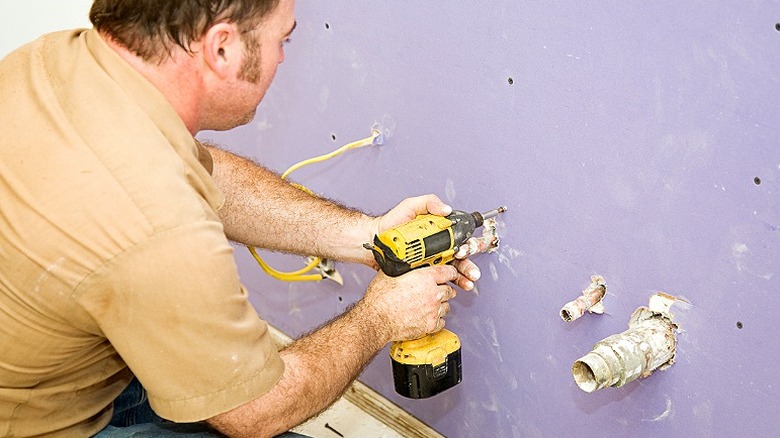
One of the biggest considerations you have to make when choosing between purple and green drywall is the price. Green drywall will run you around $12 to $20 per panel, while purple drywall's cost starts at about $15 per panel and can be as much as $60. Thanks to this price jump, only using purple drywall where it's necessary can help to reduce a project's costs, and make your bathroom remodel worth the financial investment.
Purple drywall should be used anywhere your walls will come in direct contact with water. If there's frequent splashes or consistently high levels of humidity, this is where purple drywall will excel. For example, bathrooms are a good candidate for this treatment, especially around the shower, as are areas where you're worried about potential mold infestations.
Green drywall, on the other hand, is less expensive; however, it's not quite as moisture resistant as purple is. It's still a step up from regular drywall, but it's better-equipped for spaces like laundry rooms that see moisture less frequently. It's also a common pick as a backing board for humid, tiled areas that aren't directly in contact with water — think kitchens and utility rooms. When in doubt, it's best to go for purple, but green can provide a less costly compromise that offers a step up from normal drywall sheets.