

Say Bye To Messy Landscape Barriers: The Household Waste You Could Use To Suppress Weeds
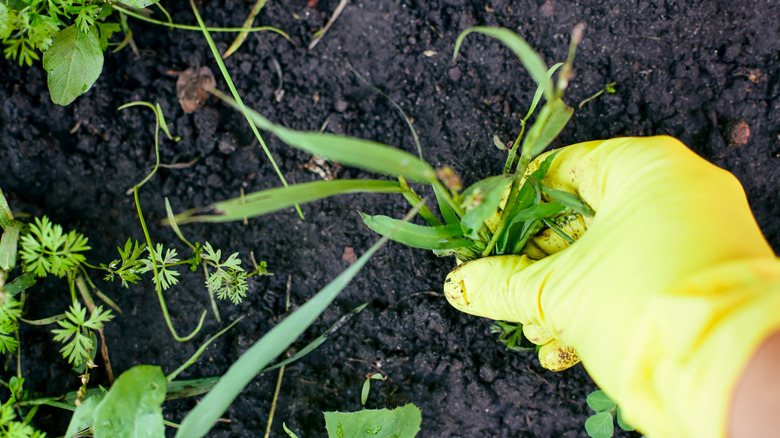
The best way to get rid of weeds in your garden is to ensure that they don't have a chance to grow. Suppression measures like landscaping fabric seem great for this job. However, they could cause more harm than good in the long run, especially when you factor in that they're often made of synthetic materials. Thanks to the prevalence of more eco-friendly alternatives, there's simply no need for traditional landscaping fabric anymore. In many cases, you can even repurpose items around your home that are an even better fit for the job. Old cardboard boxes are a common recommendation for this task, as are newspapers, but there's another material you might not have considered: brown grocery bags.
If you have a massive collection of brown paper bags sitting around your house and waiting for their chance to shine, this tip can help you quickly clear out your stock. Thanks to the fact that they're opaque, brown bags can work to effectively snuff out those stubborn weeds by cutting off their access to sunlight. Over time, they'll naturally start to break down in your beds, becoming a soil amendment that can give your garden a serious carbon boost. The best part? Every time you go grocery shopping, you'll be able to both refresh your supply and make the most of a material that might otherwise have gone to waste.
How to use brown grocery bags to suppress weeds

Once you've collected enough paper bags to cover your desired garden beds, your first step should be breaking them down. They can be easily separated at the seams or torn to create one flat piece of material. If you're going for efficiency (and minimal paper cuts), scissors can also work for this task. Once your material is ready, it's time to get to work on the beds. Weeding the area before you cover it could helpn could help, but if you're dealing with some serious overgrowth or simply can't be bothered, the paper will eventually cause any weeds trapped below it to die.
Before you lay down the paper, give it a good soak in a bucket. This will help to boost the moisture of your soil, but it will also keep things from blowing away while you're working. The water might make the paper a bit more fragile to handle, but minor rips and tears aren't a problem here — you're not going for a picture-perfect finish. Cover your entire garden bed in the paper, creating spaces for any desirable plants, of course, and feel free to layer. You'll want to make sure there aren't any exposed spots of soil that weeds could pop their way out of.
From there, cover everything in a layer of mulch to weigh it down, create a more appealing look, and provide even more weed-suppressing power. Finish off with a good soak from your garden hose, and enjoy your soon-to-be weed-free space.
How to maintain your DIY weed barrier
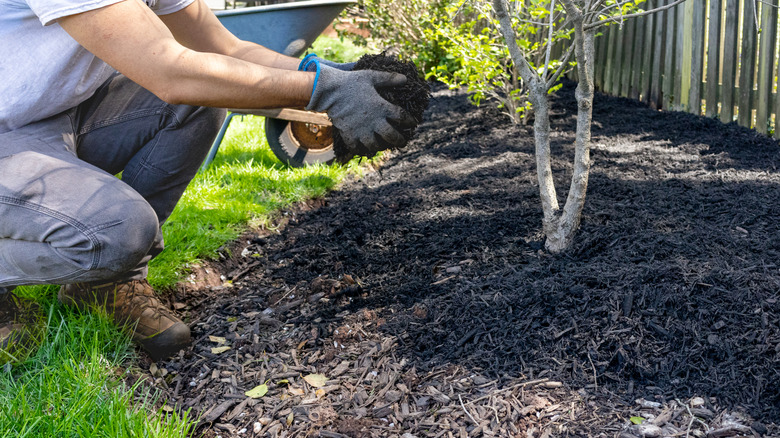
Paper grocery bags will break down over time, which in this case, is both a pro and a con. As things shift and decompose, weeds will naturally start to pop up in any spots that are left exposed. Once you notice that your paper bag barrier is starting to look a bit scraggly around the edges or you start to see holes, it's time to add on another layer.
This time, however, you can just plop the bags right on top of your existing mulch. Repeat the same steps of cutting and wetting, then cover the bed in a paper blanket yet again. Top with more mulch, water the area, and you're good to go. The exact amount of time you can go between sessions will depend on your environment. However, anecdotal evidence suggests that brown paper bags generally start to break down after six to eight weeks. While this approach will require some regular work on your end, it's a wallet-friendly, eco-friendly, and soil-friendly solution to a very common and incredibly frustrating problem.