

More Than Trash: 5 Ways To Use Banana Peels For Cleaning
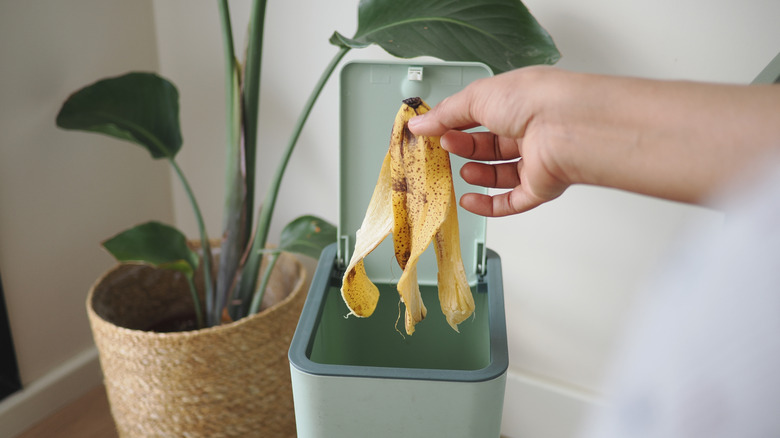
One of the best ways to cut down on trash around your home is to find ways to give items otherwise destined for the curb a new lease on life. When you think of repurposing waste, you may think of more common DIYs, such as repurposing household items into decor or finding uses for old and damaged goods in the garden. However, while it may seem surprising, you can also repurpose food scraps, and banana peels in particular can make a great addition to your cleaning routine.
Banana peels are essentially a two-in-one natural cleaning hero. The peel itself acts as a soft rag that's useful for wiping away grime or dust from certain surfaces. Meanwhile, those same peels also contain potassium and natural oils, which can help buff, shine, and clean certain materials. While they won't sanitize or disinfect surfaces, and you'll often need to go back over the spot to remove any residue, there are several ways to employ a simple banana peel while cleaning. You can take advantage of science and chemistry and remove tarnish from silverware, or you can use its natural oils to bring new life to your old wood and leather furniture. You can even find other uses for banana peels in your garden, from cleaning dusty leaves to helping your plants look their best.
Remove tarnish from silverware
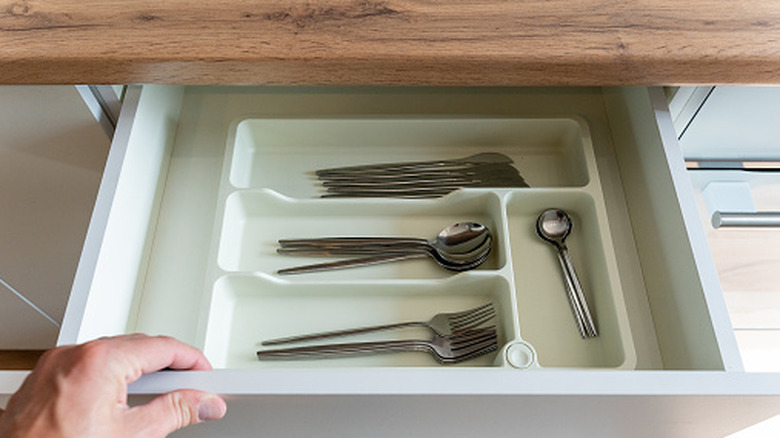
There's nothing quite like inviting guests over and getting the opportunity to host with your fine silverware collection. However, if it's been a while since you last brought out your good spoons and forks, you may find that they've tarnished. Unfortunately, silver naturally tarnishes over time when it's exposed to certain gases in the air. This degrades the appearance of your silverware by darkening it and taking away the natural shine that makes it so appealing. While it is overall best to focus on prevention whenever possible (and there are many tips to prevent silver from tarnishing), there are also several ways to remove tarnish, and that includes using a banana peel.
Fortunately, using a banana peel to polish silverware is a simple process that's perfect in a pinch. All you need to do is turn the banana peel into a paste that you can use to buff the silver. This means chopping or blending the peel and mixing it with a small amount of water until it forms a paste you can apply to your silverware with a soft cloth. After that, simply clean your silverware like normal. While one pass of this hack may not be enough to remove heavy tarnish, it can often help with minor cases caused by occasional lapses in maintenance. You can also use this method to clean silver jewelry. The reason that banana peels work for polishing silver and removing tarnish is because they contain potassium.
Restore old wood
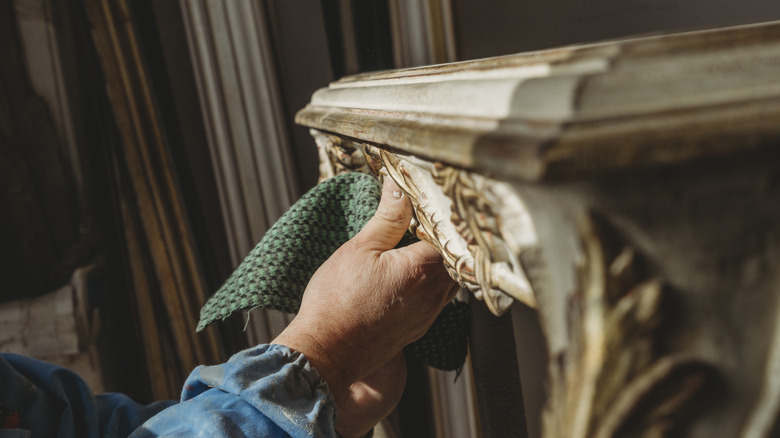
Is your wood furniture or flooring looking a little under the weather? Adding wood to your home can be a great way to harness natural materials and add warmth. However, not all wood is created equal, and some varieties are more prone to scratching than others. Wood furniture can also sustain damage such as water rings from cups without coasters and other cosmetic marks that take away from the appearance of your favorite pieces.
While it may seem like repairs or replacements are the only solution for old wood that's showing surface damage, minor scratches and marks may be able to be buffed out using a banana peel that was destined for the trash anyway. This provides a low-cost cleaning hack for making wood shine. Banana peels contain both starch and natural oils, alongside that potassium that works so well for removing tarnish from silver. Paired with the peel's mild cleaning capabilities, which you'll learn more about below, these properties may help improve the appearance of wood that has seen better days.
Just keep in mind that using a banana peel to restore wood furniture or flooring and make it shine is more of a cosmetic fix than a structural solution, and it may not work as well for extensive damage. The main benefit of this hack is that it may lightly clean and polish the surface, but for deep scratches, rot, or other significant damage, you'll need a different solution or possibly a replacement altogether.
Dust plant leaves and make them shine
When you think about the different ways you can use banana peels in the garden, your mind may go first to using the common gardening hack of applying banana peel water as a fertilizer. While this is one helpful hack to keep your garden feeling its best, you can also use banana peels to help your garden look its best through cleaning.
While dust on your houseplants may seem like a cosmetic issue alone, it can actually cause some issues with health as well. Your plants rely on their leaves to absorb sunlight, which is necessary for photosynthesis. Without enough sunlight, your plant won't be able to convert carbon dioxide into oxygen and glucose as efficiently, which can take a toll on its overall health. Not to mention that dust can attract pests like dust mites to your carefully curated indoor garden, which then attract invertebrate predators like silverfish that you don't want to share your home with.
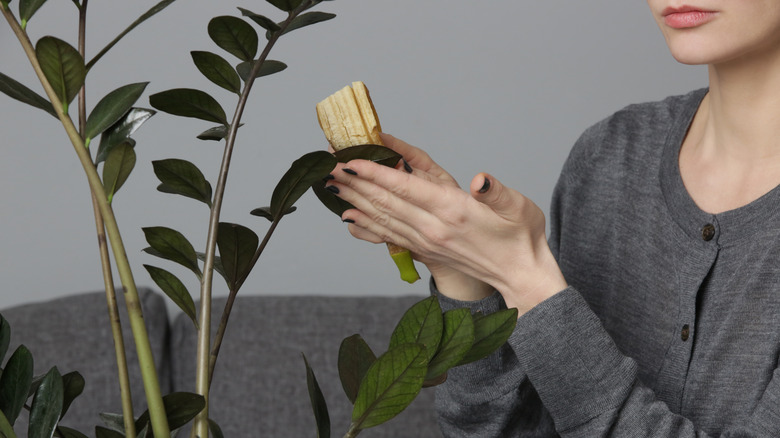
Fortunately, the solution can be as simple as wiping down your leaves to remove dust, and by using a banana peel to dust your houseplants, you can clean your plants and help them shine. Just make sure to use a gentle cloth to wipe away any leftover residue when you're done. Otherwise, you'll be left with a sticky residue that could potentially attract unwanted pests.
Scrub dirty planters and pots
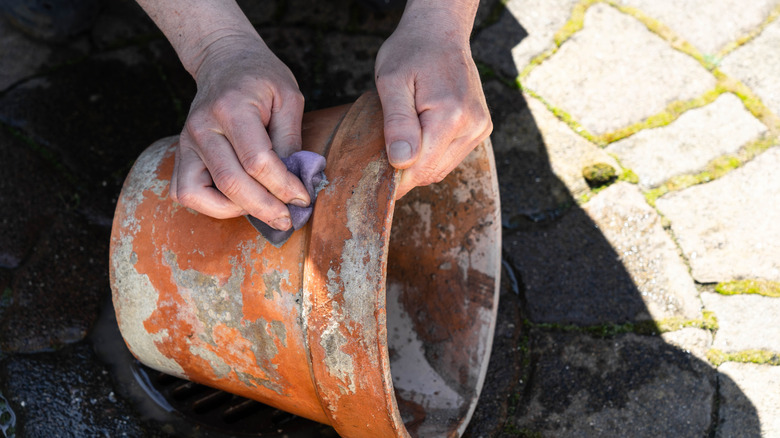
Using a banana peel for cleaning in the garden doesn't stop with keeping your houseplants looking their best. You can also use it to remove grime from your planters and pots — with the help of baking soda.
To make a cleaning paste out of banana peels, you'll just need a few peels, a small amount of baking soda, and water. From there, simply blend the peels and water to create a smooth mixture, then stir in the baking soda to make a mildly abrasive cleaner that can help lift away light grime. For more stubborn dirt and debris, you may wish to pair this blend with a soft-bristle brush that's safe for your planters. After cleaning, simply rinse the planter thoroughly and let it dry before adding a new plant.
Using this method goes beyond cleaning your planters alone, however. While it can help remove remove remnants of soil and mulch, it can also deodorize thanks to its baking soda component. However, there are a few things you may wish to keep in mind. Softer or delicate surfaces could be scratched if you apply too much pressure, especially when combining baking soda with an abrasive brush. You'll also want to rinse this mixture well to prevent any spotting from the baking soda or any leftover residue from the banana peel that may cling and attract pests, just like when wiping down your plant leaves.
Clean scuffs from leather
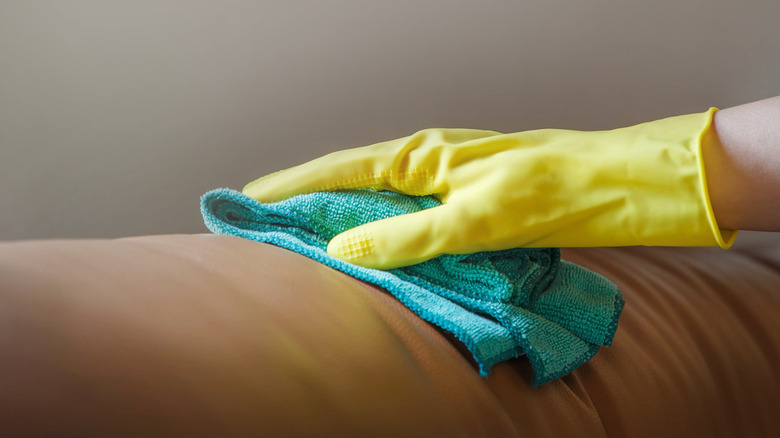
There are a variety of benefits that come with choosing leather furniture for your home. For one, it ages like wine, growing more visually appealing and developing more character as a patina forms and the couch settles. It's also easy to clean, easy to maintain, and fits in readily with a variety of styles all while being designed to last for decades with the proper care. Unfortunately, leather isn't perfect, and there are a few disadvantages to be aware of. This includes the fact that it can scratch and scuff under distress, with certain grains being especially susceptible.
Like with wooden furniture, banana peels may not be a fix-all for every type of cosmetic damage your leather has the misfortune of experiencing. However, for minor scuffs, a quick pass with a banana peel may help improve their appearance. This benefit extends to leather accessories as well. All you need to do is rub the banana peel's interior on the scuffed spot, then wipe away the residue and buff the leather until it shines. Like with silverware and wood, this has to do with what exactly makes up a banana peel, including those nourishing oils.