

Why Crabgrass Comes Back Every August And September
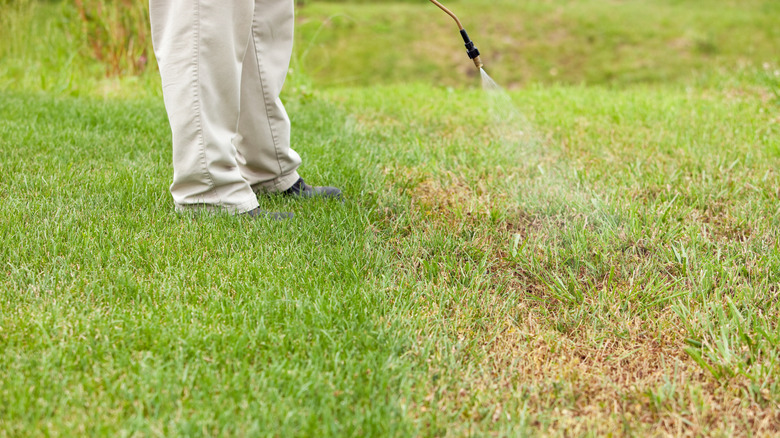
While weeds are likely to keep you fairly busy in the garden all spring and well into summer, by the time August comes around, you probably think that you've dealt with the worst of the problem. But don't be tempted to take a step back just yet, as that pesky annual known as crabgrass is likely to keep coming back late summer and into early autumn. It's in August and September, when your turf may be stressed by heat, drought, and foot traffic, the invader's seeds can take advantage of warm ground and bare patches to sprout. In other words, it comes back at the end of summer because heat-stressed, thinning turf creates exactly the warm, sunny conditions its seeds need.
You see, crabgrass is an opportunistic annual weed that drops its multitude of seeds into the soil where they wait until conditions are right. Each plant can produce thousands of them, usually from July right through to September. These seeds are quite content to just lie in the soil until the ground reaches a consistent temperature of 60 degrees. That warmer soil, along with sunlight, signals them to germinate and grow. So, while you'll first see crabgrass make an appearance in spring as the soil thaws, late summer can bring another flush of growth when your lawn develops bare or thin spots. As the sun hits the soil in these spots, any crabgrass weed seeds lying dormant can germinate because they require light to sprout. That's why fall is the best time to stop these lawn weeds in their tracks.
Reduce the crabgrass explosion by planning ahead
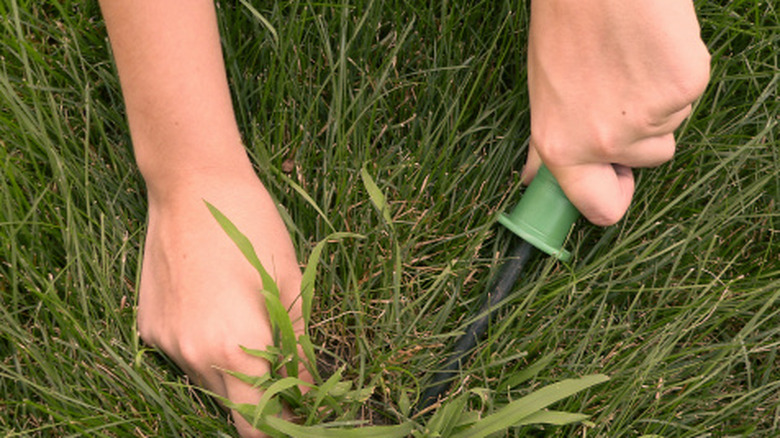
As you're probably aware, crabgrass is a warm-season weed, and it will die as soon as the first frost hits. But unless you've been proactive, it will have already deposited thousands of seeds into the soil by then. So, if you don't want to see your lawn and garden beds overrun with this pesky weed next summer, you'll need to get rid of the current growths before they reach maturity and drop seed. Depending on how many weeds you have, you can either use a post-emergent herbicide or remove individual plants by hand, which is often the simplest way to get rid of crabgrass. If you're pulling them up manually, try to remove the entire plant, including its roots, and dispose of it rather than leaving it on the lawn where mature seedheads could continue to cause spread.
Another important factor that will prevent crabgrass from taking over your lawn is your mowing height. During the warmer months, you want to set your mower blades to a height of 3 inches, so that your turf grows lush and completely covers the soil. Then, in the following spring, use a pre-emergent herbicide designed to kill young crabgrass seedlings as soon as they germinate. Keep in mind that many pre-emergent herbicides will also inhibit turf grass seeds from growing, so if you need to reseed your lawn, you'll have to adjust your timing accordingly. Also remember that it's not worth using pre-emergent on your grass if you're already seeing weeds. By then, the seeds have already germinated, so your focus should shift to removing the existing plants and preventing them from producing more seeds.