

Is Painters' Tape Waterproof?
We may receive a commission on purchases made from links.
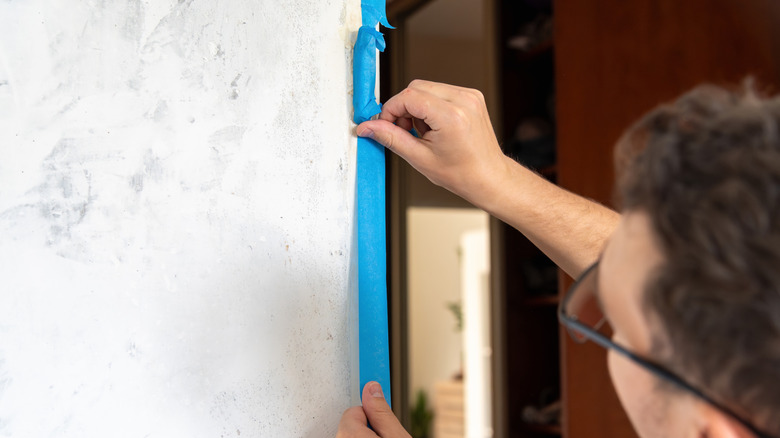
Painting is one of the more laborious tasks involved in home renovation, so it stands to reason that you want your hard work to last as long as possible. One trusty tool you can use to help achieve this is painter's tape. It helps ensure that your finished job has crisp, clean edges, so your paint job looks like that of a professional. However, certain environments can cause painter's tape to peel prematurely. Outdoor precipitation, bathroom humidity, and even cleaning during multi-day paint jobs can expose the tape to moisture, putting its adhesion to the test.
It's an issue that can often leave novice DIYers wondering: So, is painter's tape waterproof? Generally, no — most painter's tapes are designed to resist some moisture rather than remain completely waterproof. There are, however, weatherproof painter's tape options that may fare better in these types of environments. These tapes, along with a few application techniques that can limit moisture exposure, are worth considering when painting in damp or unpredictable conditions.
A few options that may be best for moist environments include Scotch Exterior Surface Weatherproof Yellow Painter's Tape, which you may find at your local hardware store for about $12 for a 45-yard roll, along with FrogTape Pro Grade Orange Painters Tape, a cheaper option available at less than $11 for a 4-pk of 60-yard rolls. And then there's the more expensive and somewhat obscure option, Tesa Precision Mask Outdoor Painters Tape, which is available at select stores and on Amazon for about $17 for 54 yards.
The best weatherproof painter's tape options to try
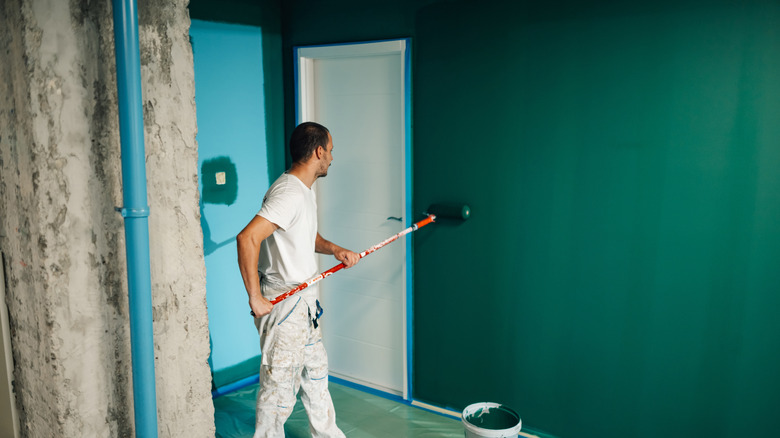
Whether you're painting to refresh your room or hide common eyesores in the house, moisture can be the difference between a lasting, crisp finish and one with not so great edges. So let's break down these weatherproof tape options a bit to see how they may hold up to it. Scotch Exterior Surface Weatherproof painter's tape resists bleed-through, at least according to the specs, and can apparently hold up outdoors for up to 10 days, withstanding moisture, UV rays, and wind.
Similarly, FrogTape Pro Grade Orange is UV-resistant and is marketed for use across various surfaces, including in hot and humid conditions. So it appears that both of these might offer a higher level of durability in moist conditions than other tape options, though neither is fully waterproof. Tesa, meanwhile, markets its Precision Mask Outdoor tape as waterproof.
But given the tape's limited availability in the US, the lack of reviews to back up this claim, and the fact that no other brands make the same promise, it's hard to say for certain whether it lives up to the marketing. That said, these painter's tape options seem to be the closest you can get in terms of moisture resistance. So they may be worthy of the top spot on your list if your painting surfaces risk exposure to splashes of water, humidity, or precipitation.
Tips for making your painter's tape more water-resistant
Painting is a basic DIY that every homeowner should know how to do, but choosing the right painter's tape is only half the battle when moisture is involved. Even the best weatherproof tape on the market can fail if it's not applied correctly, but there are some methods that can make just as much difference in how your painter's tape holds up. One thing you can do to help is ensure your painting surface is dry and free of oil and debris before applying it.
A quick wipe down with a tack cloth works great to remove debris, but an absorbent cleaning cloth can help remove any moisture from the surface — something that will prevent the tape from sticking. Additionally, when applying the painter's tape, be sure to press it down firmly for a good bond. Then run your fingers or an appropriate smoothing tool along the tape to eliminate gaps and ensure the edges are firmly adhered. For added protection, you can also double up on the painter's tape application, adding a second strip over the first one. This way, the second strip can blunt any water splashes and limit the level of moisture that reaches the strip underneath.
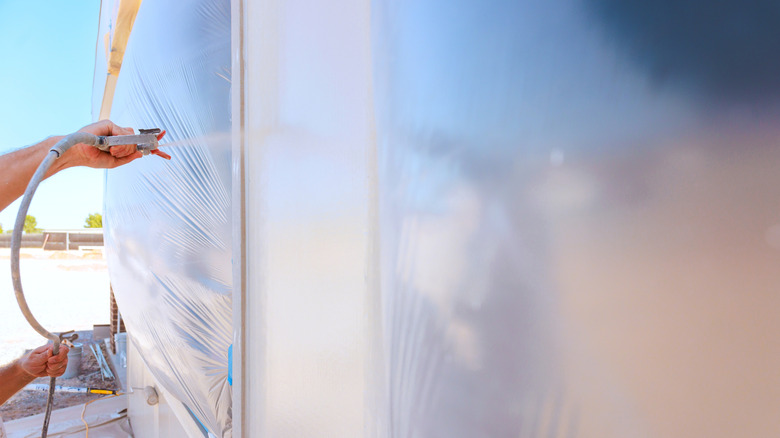
Another option is creating wider barriers by using multiple tape strips, as this can lessen the chance of the tape's edge curling up in humid environments. The main downside of this, along with the former method, is that it means buying more tape for your project. And of course, in cases of unexpected rain, you can always apply plastic sheeting (or buy the painter's tape/plastic combo) over freshly painted areas, such as edge trim, to keep them free of water splashes while the paint dries.