

How Often Do I Need To Replace My Carpet?

Whether you're looking for flooring choices that pair best with a modern farmhouse or simply want something comfortable underfoot, carpet remains a versatile option. Sadly, they take a beating with regular use and stop being comfortable underfoot. The good news is it'll take your carpet at least five years to reach this stage, with premium ones lasting anywhere between 15 and 20 years. In most cases, carpet replacement is a long-term home maintenance expense rather than something you'll need to address every few years.
The exact timeline will depend on various factors, including the material, the padding quality, the density and if it's low- or high-pile, the amount of foot traffic it deals with, and whether or not you have kids and pets. The maintenance schedule you adhere to and the way you clean your carpet will also impact its lifespan. With that said, keep in mind that nothing is set in stone. If you're loath to part with your floor covering after a couple of years or want it to last as long as physically possible, you can take a few steps to slow down its aging. For instance, this is one of those things in your family room you should be cleaning weekly. A simple pass with a vacuum will prevent dust and dirt from settling in the fibers and damaging them. You also want to spot treat stains and pet accidents immediately. Otherwise, you'll have to use more force or chemicals to get the stains out, which can cause discoloration and wear out your carpet faster. Additionally, rotate it occasionally, air it out every few months, and change furniture placement, so it wears out evenly.
Factors affecting the lifespan of your carpet

Your carpet's material is the primary factor that affects its longevity. To illustrate, ones made of synthetic fibers, such as polypropylene and polyester, have the shortest life. The former won't last beyond five years (a few really good ones may last eight) while the latter can usually service you for five to 10 years. Nylon generally doesn't require a replacement before hitting the 10-year mark, with some lasting 15 years. Triexta has a similar life expectancy to polyester though a couple might last as long as nylon. Wool is the most durable material and will easily survive beyond the 12 years; 20 if they're well-cared for.
Quality carpet padding can also help absorb the impact of foot traffic, reducing some of the stress placed on the carpet itself. This will slow down wear. Moreover, high-pile pieces don't last as long as low ones since their fibers are spaced loosely, so they're prone to crushing and matting. Higher-density carpeting may also withstand wear better because more fibers are packed into a given area. This allows them to handle pressure better. Additionally, the room you place your carpet in will influence its usefulness. To elaborate, you'll have to replace it sooner in areas that experience high traffic, such as living rooms and hallways. But your guest room carpet can stay for years with light maintenance. Bedrooms fall in the middle of these two extremes. Homes with children or pets running amok and treating the covering as their personal playground may also experience faster wear, depending on activity levels, spills, stains, and other everyday use. Cleaning frequency, choosing the right method (never clean them with an all-purpose cleaner), and having it treated professionally play an important role, too.
Signs it's time to replace your carpet
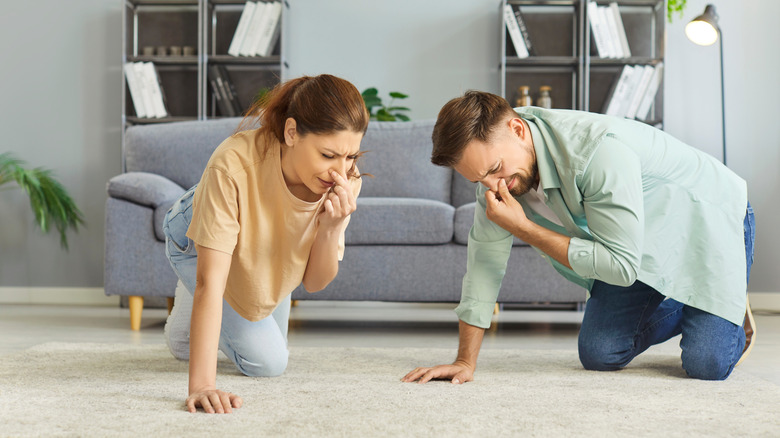
Despite your best efforts, your carpet will reach the end of its lifecycle one day. And that day will arrive when it appears thinned out in certain places or the small rips turn big. Matted fibers (they'll look crushed) and fraying edges will also make it uncomfortable underfoot and push you to get a new one. Besides dating your home with its mere presence, such carpet may even cause tripping accidents. The padding beneath the carpet can deteriorate as well, with changes in cushioning or unusual movement underfoot potentially signaling a problem.
Another indicator is when it starts fading (all those years in direct sunlight will catch up) and the colors or patterns are no longer as vibrant or pretty as they used to be. Additionally, replacement will become necessary when you can't hide the unsightly stains under furniture or vintage decor anymore. Persistent odors that remain after appropriate cleaning can also warrant further investigation, particularly if you suspect the carpet or padding has been exposed to moisture. If you discover mold growth or significant moisture damage, professional evaluation may be necessary to determine what materials should be removed.
On a related note, don't wait to throw out your current covering if it sustains water damage for more than 72 hours on end. Further, you'll have to trash it if it triggers your allergies (you'll know it's the culprit if you start sneezing or get a runny nose only in specific carpeted areas of your home). Finally, feel free to donate it if you feel it's too old fashioned or want to refresh a room without making major changes.