

Not Marigolds: The Cool-Season Annual With Cheery Blooms For Your Shady Fall Garden
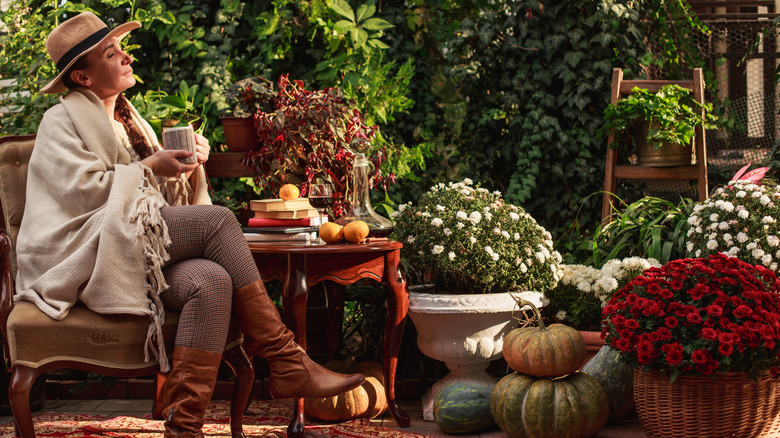
At first glance, sunny calendulas look enough like cheerful marigolds to justify their nickname, "pot marigolds." And those similarities in name have caused no end of confusion for nurseries and home gardeners alike over the years! A few crucial factors, however, set calendula (Calendula officinalis) apart from the more familiar marigold (Tagetes spp.) For one thing, calendulas are more shade-tolerant than marigolds. Just as importantly for fall gardeners, they're also cool weather lovers, creating an option that's perhaps more unique than the usual mums, asters, and baskets of gourds.
Calendulas often come with bright yellow or orange, single or double flowerheads. Not only is this plant highly ornamental, but it's an edible flower that'll attract bees and other pollinators to your garden. Along with fluttering butterflies, buzzing bees visit the flowers in the fall. You can add the pleasantly bitter leaves and petals to salads, or use the petals to color and flavor cheesy dishes or other cooked meals. (Hence the name "pot marigold," which may refer to the cooking pot.) Edibility marks yet another key difference between the classic "potherb" calendula and the toxic marigold.
Another difference? Unlike the slightly stinky marigold, calendulas boast pleasantly fragrant leaves. Calendula flowers come in a range of hues and heights. Cultivars include tall types such as 'Pink Surprise', 'Orange Porcupine', and the yellow and red 'Indian Prince', which all reach up to 24 inches tall. More compact cultivars include mixed-color groups like 'Citrus Cocktail' and 'Bon Bon'.
Plant calendula in partial shade to light up fall gardens
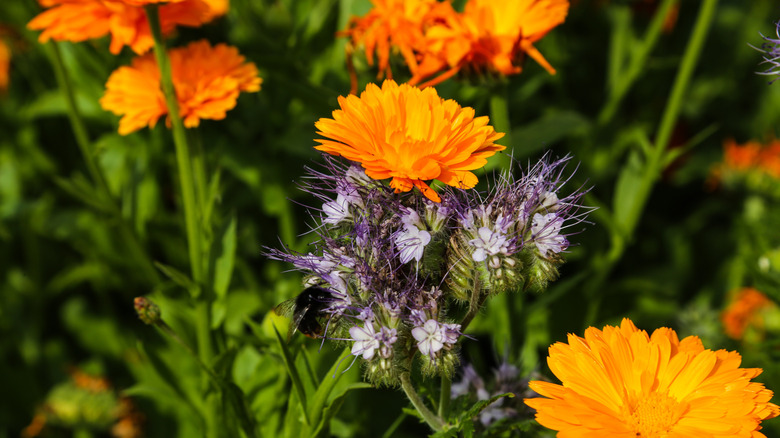
As one of the stunning flowers to plant in late summer for a spectacular fall garden, calendula really comes to life in colorful border gardens. The plants can thrive in partial shade, especially during the hotter days of early autumn. They also do well in full sun in moderate temperatures. Deeper shade, though, can cause calendulas to grow straggly. The annuals aren't overly fussy about soil conditions, as long as the soil is well-drained.
Begin new seeds indoors six to eight weeks before the last frost, then transplant them outside; or sow directly in the garden just before the last frost. Either way, sow the seeds between ¼ and ½ inch deep for best germination. Space calendula seeds or seedlings according to seed package directions or nursery labels. If you've already been growing calendula during spring and summer, cut the plants back in time to encourage a return flush of flowers for your fall garden. You may also find "volunteers" from earlier in the season that sprouted from fallen seeds!
To keep them compact and bushy in your autumn garden, pinch a few calendula buds here and there when the plants are several inches tall. Deadheading flowers will also help encourage more blooms. Because calendula can suffer from a few common pests and diseases, have a few solutions on hand. Effective treatments include copper barriers for slugs and snails, sulfur spray for powdery mildew, and soapy sprays for aphids and whiteflies.