

Is It Okay To Hose Down Vacuum Cleaner Parts?
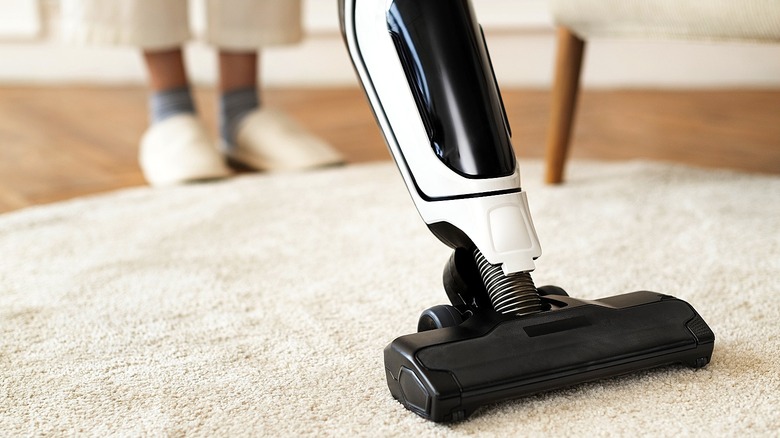
When your vacuum starts looking and smelling like it should be the one being cleaned, taking a hose to it seems like the quickest shortcut to get everything looking brand new. But, before you drag your machine out to the garden hose, it helps to know which pieces can actually handle a soaking, because mixing water with the wrong components — i.e., electrical — is an easy way to ruin a perfectly good appliance. In short, if the vacuum part contains circuits, motors, or any electrical power sources, it never should be hosed off․
Further, any vacuum hose or motorized floor head that has internal wiring can be destroyed if the powerhead connection is washed․ Meanwhile, some filters can be washed, but soaking a typical HEPA or paper type ruins the structure of the filter, causing it to become water-logged․
The good news, though, is that several parts of your vacuum can be washed with a hose. The dirty plastic bin that picks up hair can be removed from the main part of the unit, minus the filters, and rinsed off․ As for filters, washable vacuum cleaner filters, including foam and woven plastic vacuum cleaner filters, can be washed out under cold running tap water until the water runs clear․ Plastic extension wands, plus other plastic vacuum cleaner attachments and hoses with no wires, can be rinsed out under running water to remove clogs․
How you can clean your vacuum safely
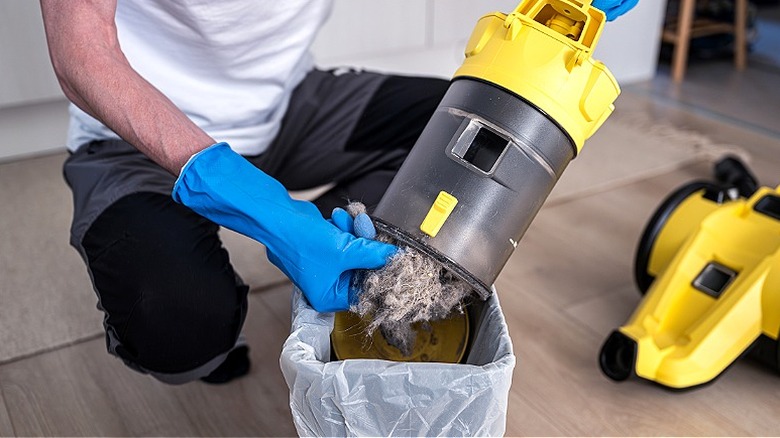
Knowing how you should be cleaning your vacuum every few months is the best way to extend the life of the machine; in fact, not doing so regularly is one of the common mistakes that could be slowly killing your vacuum cleaner. Before you do anything, make sure the vacuum is unplugged or that the battery is removed if it's cordless. Also, for any vacuum parts you will be hosing or rinsing down, it's crucial to let them dry afterward for at least 24 to 36 hours, or until completely bone-dry.
The first step to cleaning your vacuum cleaner is to empty and wash the dustbin. Empty the dustbin into the trash, then remove any filters and extra parts. Both the outside and inside of the plastic canister can be hosed down with water and a mild detergent․ For all washable filters, it's recommended to run them under the tap with cool water without soap to avoid any damage․ Excess water may be removed by lightly squeezing; the filter is then left to dry in the air․
After clearing the dustbin and cleaning the filters, the brush roll (the motorized roller that removes dirt trapped between the fibers of the carpet) should be removed and cleaned․ The bottom plate on the vacuum head can be removed, and the brush roll can then be taken out․ Scissors should be used to free hair or strings caught on the bristles․ Note that a garden hose is generally not best for cleaning the brush because the water may penetrate the metal bearings.
Cleaning vacuum hoses and the machine's exterior
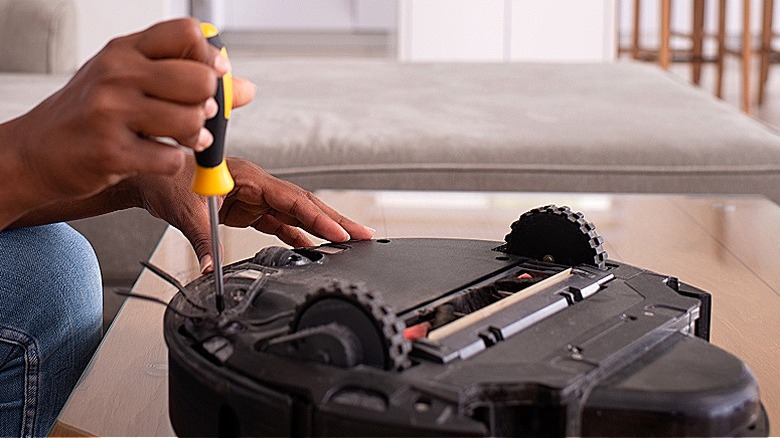
Most standard canister vacuums have detachable hoses that can gather trapped debris and pet hair over time. You can take off the hose and push out stubborn clogs using a broom handle or a plastic plumbing snake, making sure you don't puncture the thin plastic lining. Once cleared, you can use a garden hose to flush out built-up grime and remaining dirt but only if the hose contains no internal electrical wiring. After rinsing, shake out as much water as possible and hang the hose to dry.
Finally, you will want to take care to clean the exterior of the vacuum and its non-washable parts. While you're unable to hose off the motor housing, powerhead, or cord reel, cleaning these surfaces with a slightly damp microfiber cloth and a small amount of dish soap will help clear the dust and dirt․ To remove dust from vents or seams, use a cotton swab or detailing brush to wipe it out․ While this level of detailing isn't necessary every time you empty the dustbin, keeping up with exterior cleaning prevents fine grit from migrating into mechanical crevices or exhaust pathways.
Once every component is clean and 100% dry, you can safely reassemble the vacuum cleaner. Double-check that all filters fit snugly back into their seals, reattach the hose and canister, and run the machine for a few seconds to verify strong suction.