

What Type Of Lawn Mower Blades Gives The Cleanest Cut?
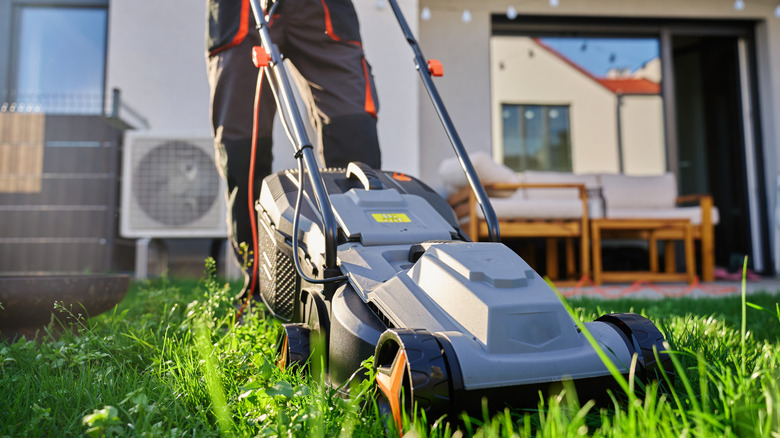
When choosing the right lawn mower blade, you should consider more than size and cost. Several factors (not just sharpness) affect how well a blade cuts grass. Your lawn mower has to move the grass clippings, so its blade does more than just cut: It also generates suction. Suction power can affect how cleanly your mower cuts, which is important not just for aesthetics but also for your lawn's health. If your mower gives your grass a rough, uneven cut, you may want to consider using high-lift lawn mower blades.
A high-lift lawn mower blade generally produces the cleanest cut in most conditions. High-lift blades generate a powerful vacuum as they spin. Along with creating more suction to pull up grass clippings, a high-lift blade pulls uncut grass straight up, allowing the edge to slice through cleanly (provided your mower blades are sharp enough). However, there are some instances when you shouldn't use a high-lift blade, including when it can lead to mower damage.
How a high-lift blade can deliver a cleaner cut
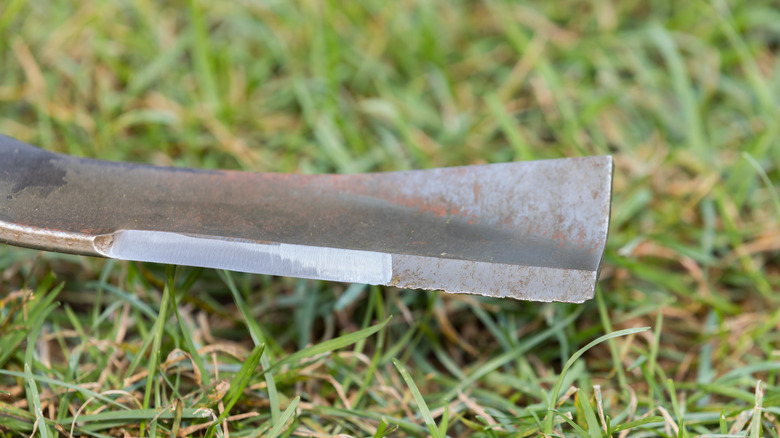
As it cuts, a lawn mower creates a vacuum to move the clippings. Every mower does this to some degree, whether it's bagging clippings, expelling them through a side chute, or mulching cut grass back onto the lawn. The mower creates suction, called lift, via an upturned sail on the backside of the blade. Think of it like a fin on an airplane wing: As it moves rapidly through the air, it creates the lift that pulls the grass clippings up and away from the ground. The larger the fin, the more lift the blade generates.
This lift also pulls the grass underneath the mower up straight as the blade cuts it. The more lift the blade generates, the more force it has to pull the grass. If your blade is sharp enough, this will result in a smooth, clean cut. Rough, uneven cuts can lead to premature browning and other grass damage. Using a high-lift blade for a clean cut can help you cultivate a more attractive, healthier lawn.
When not to use a high-lift blade
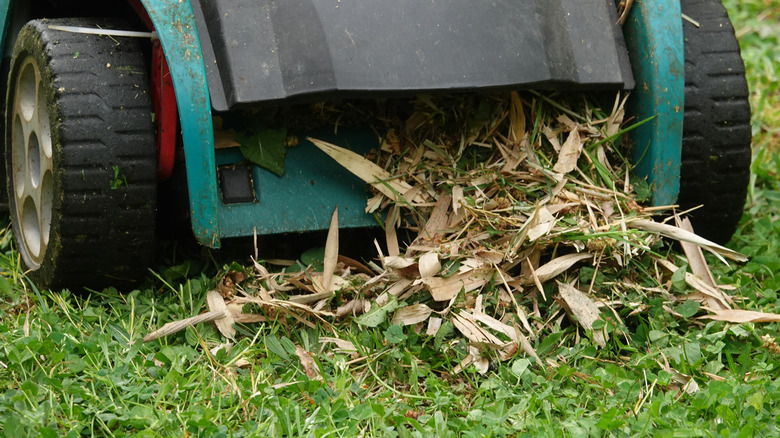
That said, there are some occasions when you shouldn't use a high-lift blade. High-lift blades work best on high-powered gas mowers. The taller sail on a high-lift blade creates considerable air resistance, so these blades typically require a mower with more horsepower and fuel to run efficiently. Additionally, the increased airflow helps bagged mowers collect clippings, which can prevent a clogged lawn mower.
Another instance to avoid using a high-lift blade is in dry climates with sandy, dusty soil. That's because the higher lift the blade generates will suck fine soil particles up into the mower. This is bad for your machine, as this sand and dust can harm the inner workings of your lawn mower and be very difficult to clean. If you're mowing over dry, dusty ground, skip the high-lift blades. Just sharpen your mower blades regularly for the cleanest possible cut.