

Amish Vs Shaker Furniture: What's The Difference?
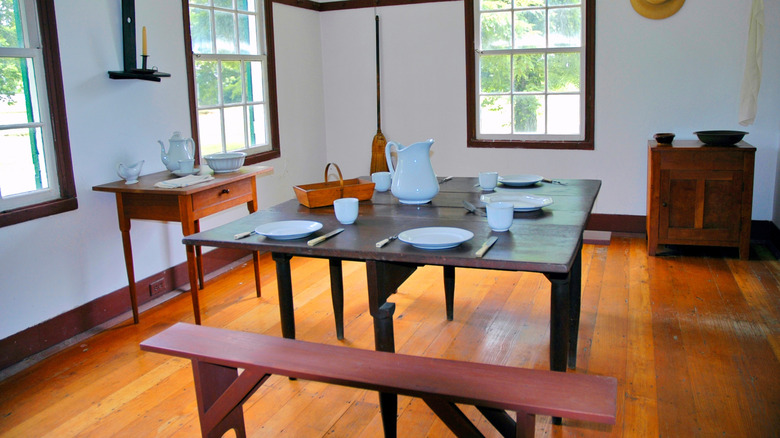
Solid wood furniture is always in style and can be a wise investment for its natural beauty and durability. When looking for wood furniture, you may have noticed that Amish furniture and Shaker furniture are often mentioned as being highly desirable. Both styles are known for their high-quality materials, practical and pleasing designs, and excellent craftsmanship. The styles often look quite similar, too, which can cause confusion. But they're not the same, and it's important to know the differences before buying, so we've gathered information on the main distinctions between Amish and Shaker furniture.
The main difference is that "Amish furniture" refers to who actually builds the furniture, while "Shaker furniture" refers to the style. True Shaker furniture pieces are valuable antiques, mainly built between the late 1700s and mid 1800s, but the style remains popular. However, keep in mind that the craftsmanship or material quality may not always meet the original standards established by Shakers. Amish furniture making, however, is still a very active tradition with many years of continuous history.
And though you may see "Amish style" mentioned while looking for wood furniture, this description isn't really about how the furniture looks, but how it is made. Authentic Amish-built furniture is sold across the country, although it's more likely to be found near actual Amish communities, in places like Pennsylvania, upstate and western New York, Ohio, and Wisconsin. There are also many companies whose Amish carpenters build useful structures such as sheds, tiny houses, and garages, sold as pre-fab structures or built to suit the customer's needs.
Shaker furniture history and characteristics
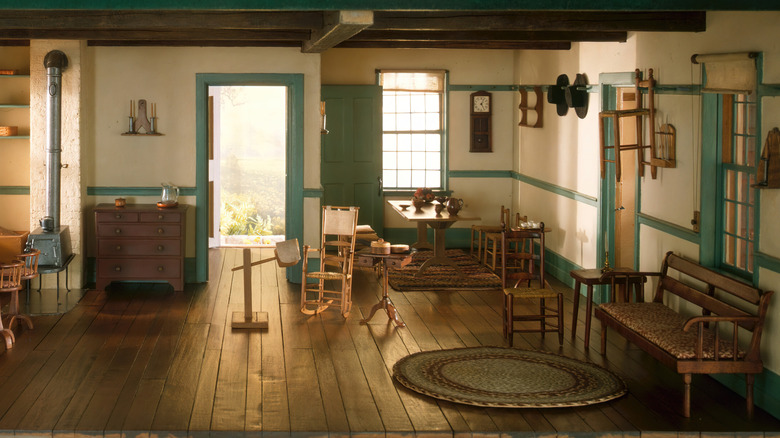
The Shakers were a religious group founded by their prophet Ann Lee, who was originally from Manchester, England. Shakers lived throughout the Northeast and Midwest, but their most famous village still stands in Hancock, Massachusetts, nestled in the Berkshire hills. In "The Testament of Ann Lee," an award-winning 2025 film starring Amanda Seyfried, one frequent line Lee says is, "A place for everything, and everything in its place." This refers to how Shaker households were kept orderly and efficient. For example, chairs were hung on the wall when not in use to make more floor space.The Shakers' belief in simplicity and practicality guided how they built homes and other structures.
Shaker style is recognized by clean lines, lack of adornment, and slim, tapered legs that give a light, airy appearance. You can see this clean design clearly in Shaker-style cabinets as well. Shakers used wood from their woodlands and chose woods for dwellings and furniture based on qualities like density, durability, weather resistance, grain, and color, with cherry and maple among the most common choices. Although the original Shaker furniture was built hundreds of years ago, the well-loved designs and methods are still imitated by contemporary furniture makers.
Comparing Amish furniture to Shaker furniture
In terms of style, Amish-built furniture can sometimes look a bit "heavier" than Shaker furniture. Both building methods use traditional joinery, like mortise and tenon frames and dovetailed drawers, according to the Countryside Amish Furniture Company. Amish-built pieces may reflect a number of styles, including Mission, as well as traditional and contemporary styles, but Shaker pieces are specific, clean, and minimal.
The Amish follow traditional rules and guidelines for home design and decor; like the Shakers, they avoid extraneous ornamentation or adornment in the home, even today. For example, essential kitchen tools would not include electric appliances, but rather items our ancestors used before electricity was available in the home, like wood stoves for cooking and as a heat source. This simple, practical approach to living also informs the furniture style seen in Amish homes. Shaker style and Amish-made furniture can add timeless elegance and practicality to your home, especially if you're a fan of rustic-inspired decor.