

He Uses Cement And A Laundry Hamper To Make Tall Planters With An Impressive DIY
We may receive a commission on purchases made from links.
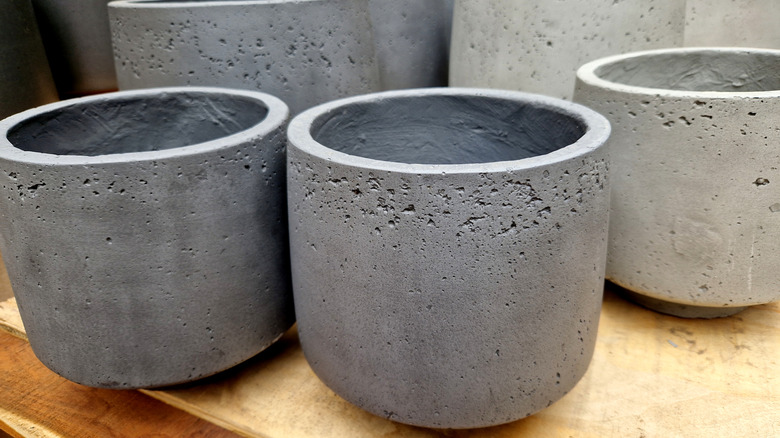
Now that the weather is turning and your garden is about ready to be put to bed for the coming winter, gardeners can use the off-season to try out some fun DIY gardening projects in preparation for next spring. One cool idea you can find on YouTube shows you how to turn an old laundry basket into a decorative planter. It's not exactly a quick DIY, especially when you add in the time you'll be waiting for the concrete to cure. But it is an affordable way to refresh your backyard landscape on a budget by adding custom cement planters to your patio or porch.
The materials you will need include concrete mix, sand, cardboard, foam boards, thin rebar wire, a trowel, a concrete grinder, paint, and the laundry hamper you want to use as your mold. You will also need plenty of hot water to help loosen the hamper from the concrete at the end, and you'll need a large outdoor space where you can work on this project. It can get a little messy with wet cement and sand so keep that in mind when choosing your workspace.
Since you're using an old hamper, the concrete mix will likely be the most expensive purchase for the project — and it's still not that costly. A 50-pound bag of quick-setting concrete mix will cost you less than $10 at Home Depot. If you happen to have some mix on hand from another project, you can skip even that modest expense and use leftover quick-setting cement for an easy DIY planter.
How to DIY your own cement planter with a laundry hamper
While you should follow the video for the complete step-by-step project, the basic process is fairly simple. You'll thoroughly clean the hamper and, while it's drying, cut and glue cardboard pieces to create an inner mold. This inner mold needs to be roughly the same dimensions as your hamper but slightly smaller. It essentially creates the space that will become the bowl of the planter.
Make sure to watch the whole video through to the end a couple of times to understand the process before you begin. Above all, make sure you prep absolutely every other piece of this project before water hits the concrete mix in your bucket. The bag of concrete mix you get for this should include information on how long it will remain workable before it begins to set. However, the working time depends on the product you use. Some fast-setting concrete mixes begin setting in as little as 20 to 40 minutes, while others might give you 1 to 2 hours to work with it, so check the manufacturer's instructions before you start mixing.
This video is sped up considerably to give you an overview of the process. But when it comes time to fill the mold with wet concrete, it's going to take time as you need to occasionally pause to shake out air pockets, add rebar wire, and level out the mixture. So you want to be sure that all your materials are prepped and ready to use before mixing the concrete, allowing you to spend its available working time filling the mold.
Things to consider before making and using your own cement planter
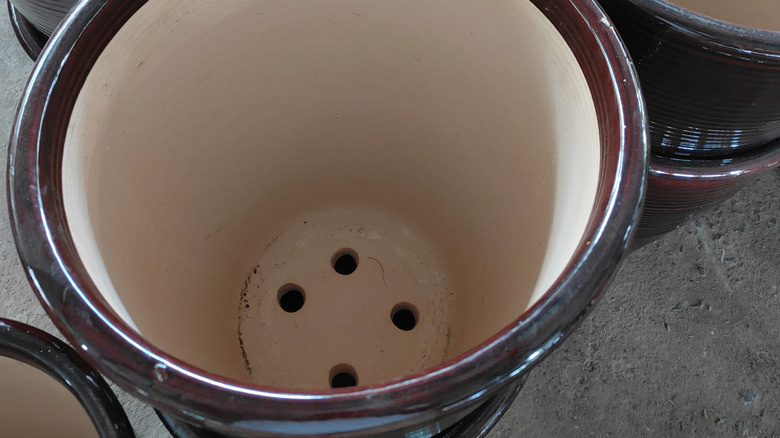
To use the finished product as a planter, you'll want to consider adding one or more drainage holes to the bottom. Without adequate drainage, excess water can collect around the roots, potentially leading to root rot and other problems that can harm your plants. The man in this video does not add one. But you could improvise one yourself by creating a small cardboard mold for the drainage hole, similar to how you made the larger inner mold. This smaller mold can be placed in the center of the concrete base layer that he adds around the 6-minute mark in the video.
If you're not confident in your improvisation skills for this project, it's OK to use the finished product without a drainage hole. But it should be treated as a decorative planter. That is, place your plant in a plastic liner pot and set that pot inside your new DIY cement planter. On days when you need to water, remove the pot from the concrete planter and place it back inside after it's had time to drain.