

10 Long-Lasting Materials To Replace Wood For Raised Garden Beds
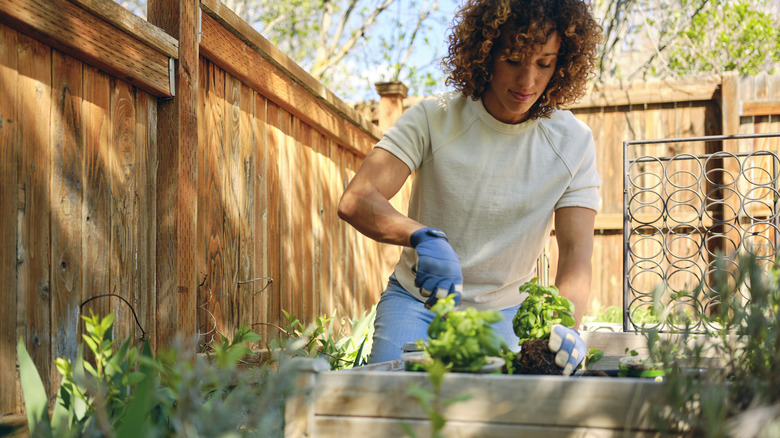
For many gardeners, imagining a raised garden bed may conjure images of the most traditional structure — a garden bed made out of wood that eventually rots and decomposes, requiring replacement and repair. While there's nothing wrong with choosing an organic material like timber to build raised beds, those who go that route may find themselves wishing for a longer-lasting material to support their prized plants for years to come. Fortunately, there are many options available, including natural stone, concrete pavers, galvanized metal, and even fabric.
With adequate drainage and care, wooden garden beds may last more than five years. However, exposure to excessive moisture and wild weather can reduce their lifespan. As a result, you may find yourself looking for more durable materials that require less maintenance.
Stone and manufactured materials like metal and concrete masonry units (CMUs) are some of the top choices. If you're in love with the look of timber but don't love its shorter lifespan, you could use composite decking boards. Choices like plastic and fabric are more unique alternatives. When choosing the right material for building raised garden beds, check whether the material is food-safe. If you're growing vegetables, you don't want any harmful chemicals leaching into your soil.
Natural stone
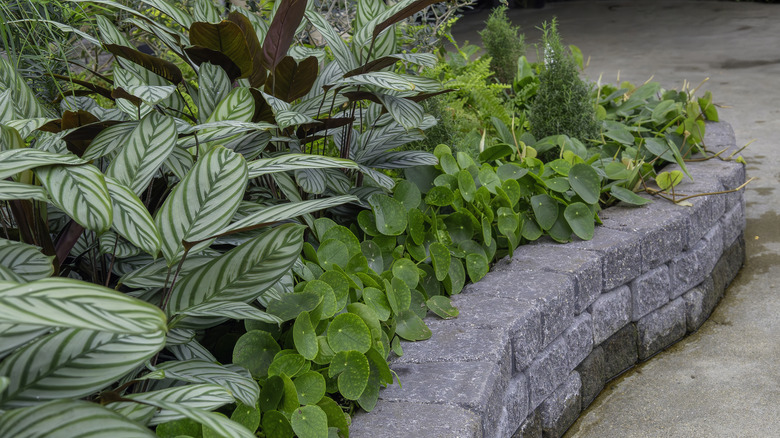
If you're looking for one of the most durable natural materials to use for a raised garden bed, look no further than stone. Stone excels in longevity because it holds up well in harsh garden conditions, from bright sunlight to frequent watering. Along with its obvious visual appeal, stone can serve double duty as both a statement piece in your garden and a sturdy frame for soil. Natural stone is also typically food-safe. Just keep in mind that this material can be a bit pricey, and building your own raised stone bed can be time-consuming.
Weathering steel
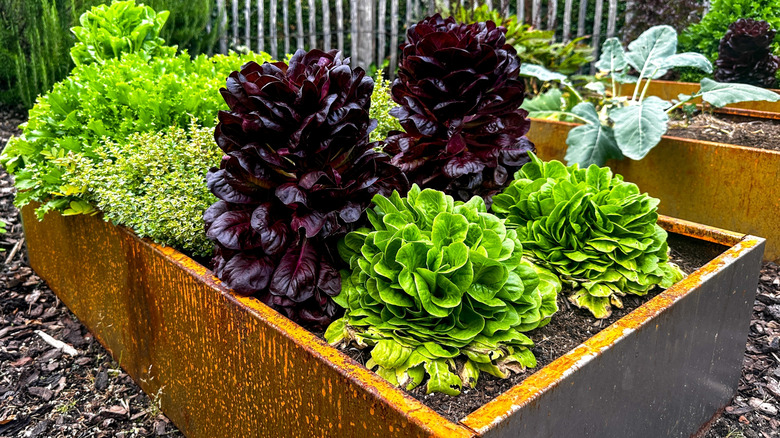
You may have come across the trademarked name Corten when looking for garden bed building materials. It's a type of weathering steel that's corrosion-resistant; the metal develops a protective layer of rust with a colorful patina. Weathering steel can last for decades, making it a durable material to use for raised garden beds. Depending on the exact type of metal you choose, however, preparing weathering steel for a garden bed can be a lengthy process. You need to oxidize and seal the metal before you can use it. Corten steel is widely considered safe for growing vegetables.
Scrap roofing metal
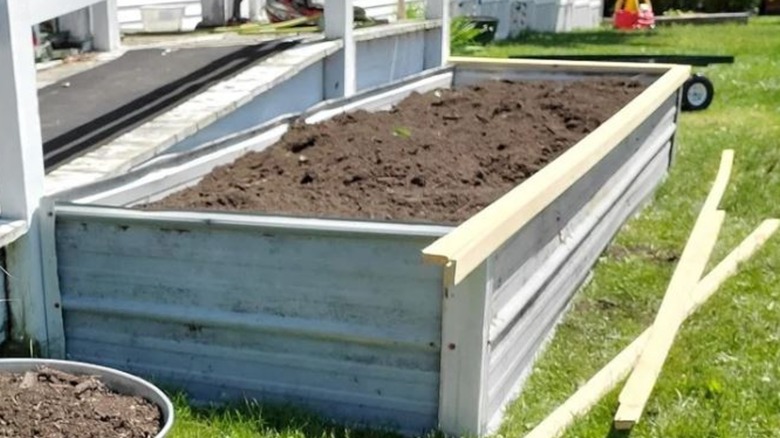
Have you recently finished re-roofing your home? If so, you're in luck. Just like with weathering steel, you can turn scrap roofing metal into a raised garden bed. Corrugated roofing metal is designed to withstand harsh conditions, including severe weather and temperature extremes. It's lightweight, which makes working with it relatively easy, and it's also long-lasting. Not all types of roofing metal are safe for raised garden beds, however. Some metals can leach contaminants into the soil, especially if the soil is acidic. Confirm the type of metal before building your raised bed.
Concrete masonry units (CMUs)
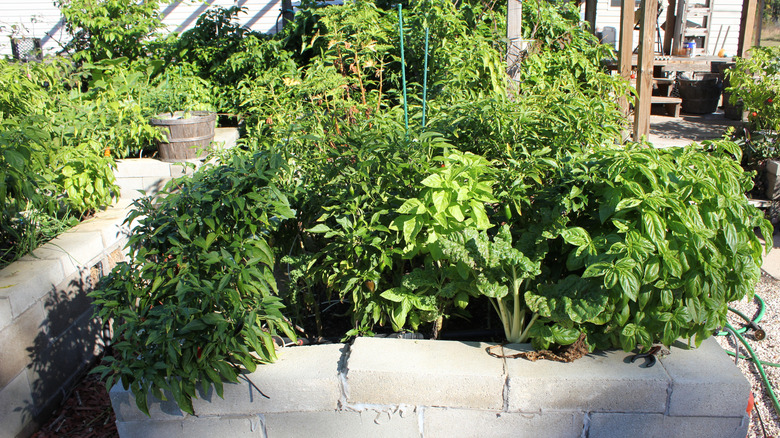
Concrete masonry units (CMUs) have various benefits for gardeners replacing wooden raised beds. For one, CMUs are highly durable, and they can be reinforced even more with rebar. It's also easy to tailor CMUs to your needs. For example, you can transform your backyard with an epic flower bed made from concrete blocks and easily adjust its length and height as you wish. They won't rot and are very budget-friendly. Modern CMUs are widely considered food-safe, but this may not be the case if you're using older, reclaimed blocks that can leach chemicals.
Composite decking boards
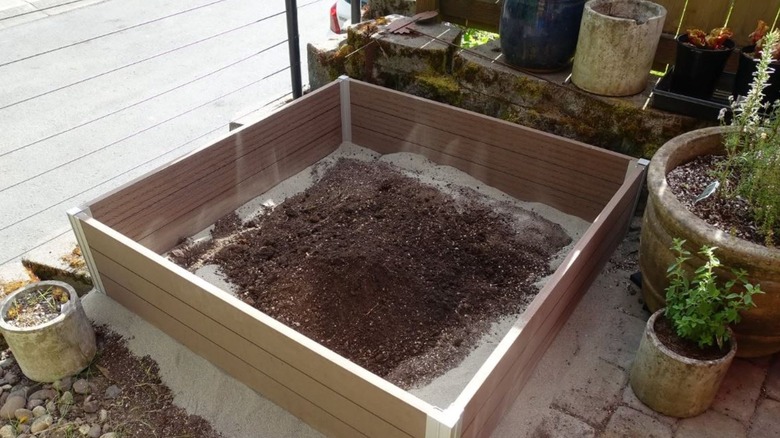
If you like the appearance of wood but want a more durable material for stronger raised garden beds with a longer lifespan, look into composite lumber or decking boards. Composite decking boards are made of a mixture of wood and plastic, with the various brands using different ratios of each material. As a result, some boards have a higher plastic content than others. Composite wood looks similar to real timber, but the plastic boosts its ability to withstand everyday wear and tear and exposure to the elements.
Concrete pavers
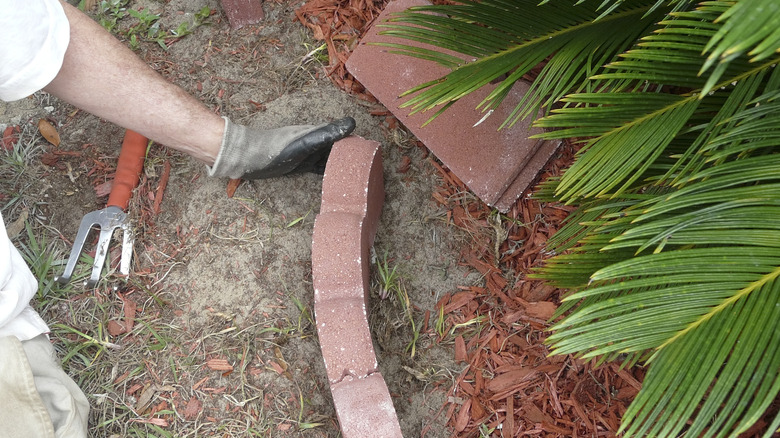
If you've recently redone your patio, you may have some extra concrete pavers. Like CMUs, pavers can be used to create an eye-catching, budget-friendly, durable raised garden bed that's not wood. For anyone planning to use pavers in their garden, there are a few things to keep in mind. For one, pavers are made of cured concrete, and the chemicals used in curing can leach out, making the soil more alkaline. However, the effect is usually so minor that it's nothing to be concerned about. More importantly, concrete typically doesn't drain as well as other raised bed materials.
Bricks
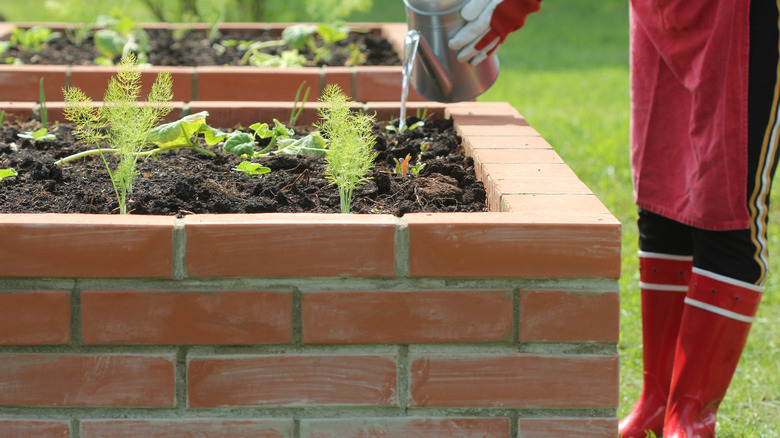
Before reusing old bricks to build an affordable raised garden bed, it's important to learn about the different types. Some bricks are made solely of clay, an all-natural fired material that works well in the garden. Others, however, may include extra materials, like sand, lime, or fly ash, that could impact the health of your garden and success of your gardening endeavors. As a result, while bricks are another durable masonry option that can improve the lifespan of a raised garden bed, double-check the type of bricks you're using before you start building.
Galvanized steel
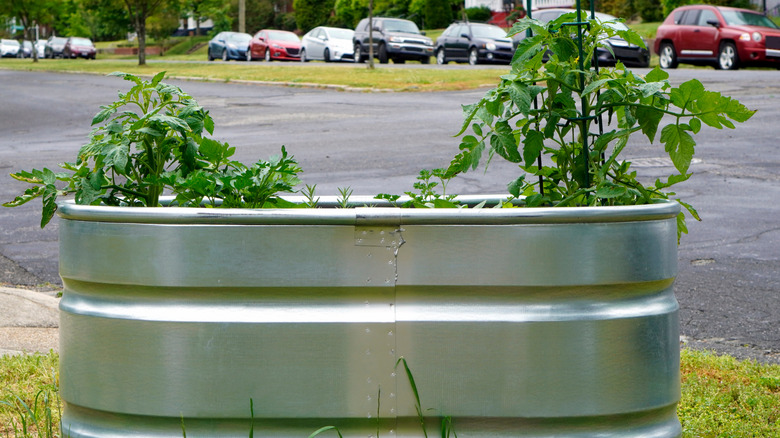
If you're not familiar with the different metal manufacturing processes, you may not fully understand what makes galvanized steel unique. Galvanized steel is steel sheet with a metallic coating for improved corrosion resistance. This coating can be made of various materials, such as zinc or aluminum, as well as combinations of materials. Galvanized steel will hold up better under regular wear and tear and weather extremes, which is why it's a good choice for raised garden beds. As with all metals, double-check the coating to ensure there's no risk of leaching.
Plastic
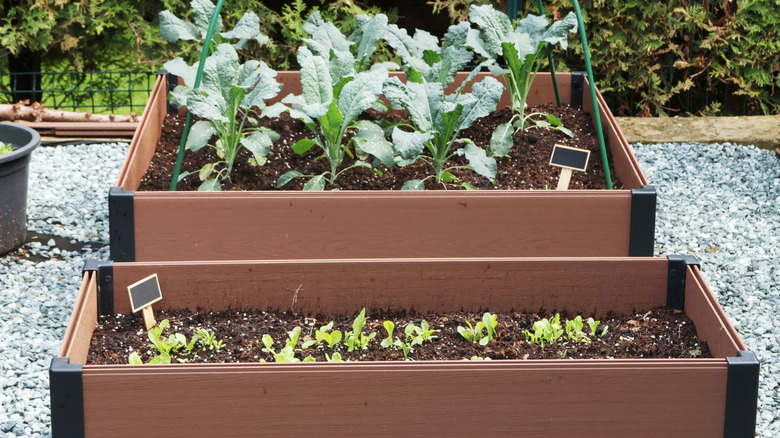
Plastic can be a polarizing material when it comes to its use in the garden. While plastic is lightweight, budget-friendly, and durable, it's often not as visually appealing as other options. And that's not even taking the material's environmental concerns into account. However, if you're looking for a material that's hardy enough to withstand most weather conditions and everyday use without the high prices of luxury materials like natural stone, plastic raised garden beds can be a solid choice.
Fabric
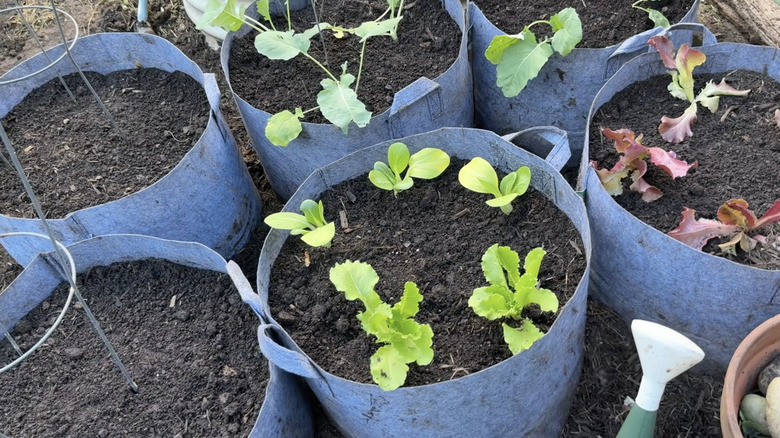
While it may seem like an odd choice, fabric raised garden beds can actually serve as a long-lasting alternative to wood. Fabric raised garden beds are lightweight and come in various sizes, colors, and shapes. Like plastic, they're also typically on the more budget-friendly side of the pricing spectrum. Unlike some of the options on this list, fabric raised beds require little to no assembly, all while still being durable enough to last up to seven years. To help make the most of their lifespan, however, it's best to store them indoors during the winter.