

Not Stink Bugs: The Pesky Lookalike You Don't Want In Your Fall Vegetable Garden

If you've found a small, brown insect in your fall vegetable garden, your first thought may be a stink bug. However, stink bugs aren't the only critters you'll find creeping on your favorite vegetables, and you'll want to identify this pesky lookalike before its presence takes a toll on your crops.
Squash bugs (Anasa tristis) are insects named for their frequency in appearing on cucurbits. While they're commonly seen on squash and pumpkins, hence their name, they may feed on other types of cucurbits as well. This includes popular garden choices like cucumbers and melons. At first glance, squash bugs may appear quite similar to stink bugs in appearance. However, if you've found stink bug eggs or adult stink bugs before, you may realize the finer differences between these species. As adults, squash bugs are just under one inch and have orange and brown strips along the perimeter of their bodies. They're capable of flying, and their eggs are small and typically warm in color, from tan to bright red. Although there are many species of stink bugs to compare squash bugs to, the latter typically differ due to their elongated bodies, coloration, and those striking eggs that stand out more than a stink bug's lighter clutch.
Once you've identified that the critter in your garden is a squash bug, you're likely wondering the next steps. After all, these insects have quite an appetite for your favorite cucurbits, and while more established plants may be able to survive their feedings, they could pose a threat to your fall seedlings.
What to do if you find squash bugs in your fall garden
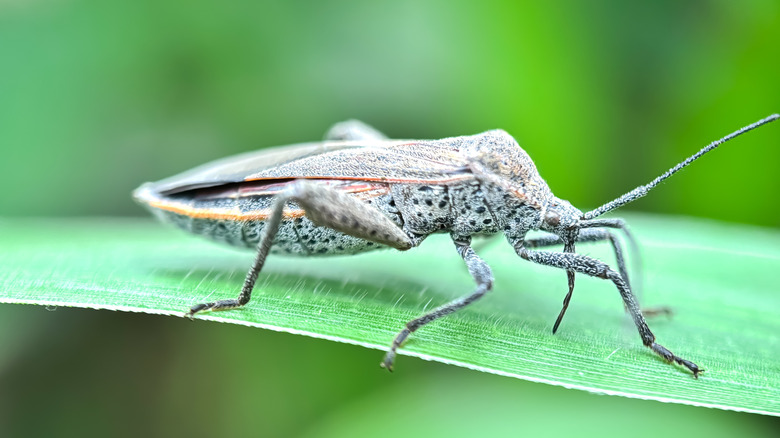
Since many of those cucurbits you may be growing in the fall rely on pollination, you may want to avoid applying indiscriminate pesticides to your garden as a way to control the squash bug population. Fortunately, there are other strategies you can try if you discover that these bugs are the culprits behind your fall garden damage.
Before ever even addressing the adult squash bugs, you can limit the cycle by targeting the eggs first. Female squash bugs lay their eggs on the undersides of leaves. A single clutch can have a dozen small, brightly colored eggs, if not more. These can hatch in as little as one week, which means that regular inspections through the autumn growing season are a must. If you discover these eggs during your search, you can dispose of them by crushing them. As for the adults themselves, you can reduce their numbers in your garden by hand-picking them from your plants during your inspections and disposing of them in a pail of soapy water. Squash bugs are capable of piercing human skin, although their mouth pieces are much better suited for sipping sap from plants. To be on the safe side, make sure you're wearing the proper equipment, such as durable gloves, before picking up squash bugs, and handle them with care.
Nature also can lend a hand in keeping squash bugs off your plants, especially if you take the steps to attract more birds to your garden. Bluebirds will eat squash bugs, as will other insectivores.