

5 Garage Door Parts That Need Replaced Every 5 To 10 Years
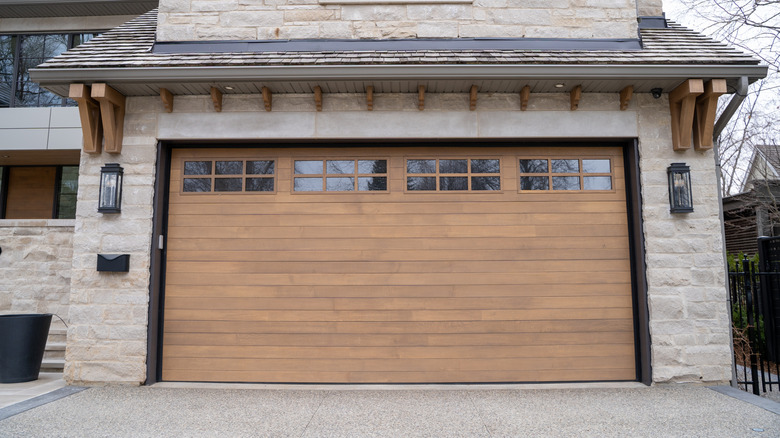
An automatic garage door is one of the heaviest and most used systems in your house. Although the durable overhead panels may theoretically last for decades, the components required to keep that several hundred-pound door moving up and down constantly get worn down by usage. Mechanical friction, intense tension, and daily exposure to hot and cold weather all combine together to naturally wear individual components. Even seemingly-non-critical components like weatherstripping are important to keep up with. Running some parts past their prime puts extra strain on the rest of the parts, triggering a domino effect of costly breakdowns and serious safety risks.
Knowing the expected lifetime of garage door hardware components is crucial to ensuring correct operation and maximum safety. After all, no one wants a heavy garage door falling on them. Most of the critical parts of a garage door — like torsion springs, rollers, and automatic openers — have an estimated lifetime of between five and 10 years, though that can vary by part and usage. Having the necessary knowledge and being prepared to replace them before they fully break ensures uninterrupted safety and performance.
Torsion springs
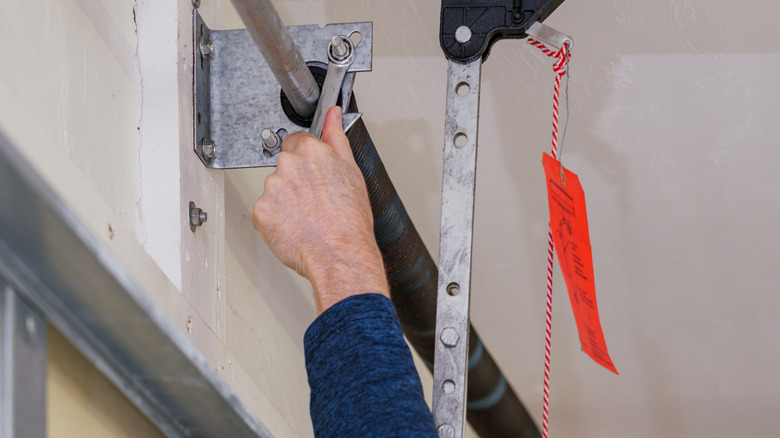
The garage door system is made up of different parts, but the most important are torsion springs. These are the parts that hold the most force every time the door is opened or closed. Because of the high pressure they are subjected to, these springs have a limited life expectancy rating, typically around 10,000 cycles. That means the average residential garage door torsion mechanism will typically only last about five to seven years of normal daily usage before failing, but could last up to 10 years under the best circumstances.
These springs are always under heavy load, so broken coils usually give clear warning signs either before they break or as they break. When a spring snaps, you might hear a loud bang, similar to a firework going off. You'll also be able to see it; if you look above the closed garage door, you'll see a distinct gap splitting the tightly wound steel coil into two pieces along the center shaft. A broken spring will leave the door non-functional and will require professional repair, since the part needs to be fully replaced. The spring repair process is complicated, and the torsion mechanism requires high tension, meaning that replacing garage door springs is not a good DIY project.
Track rollers
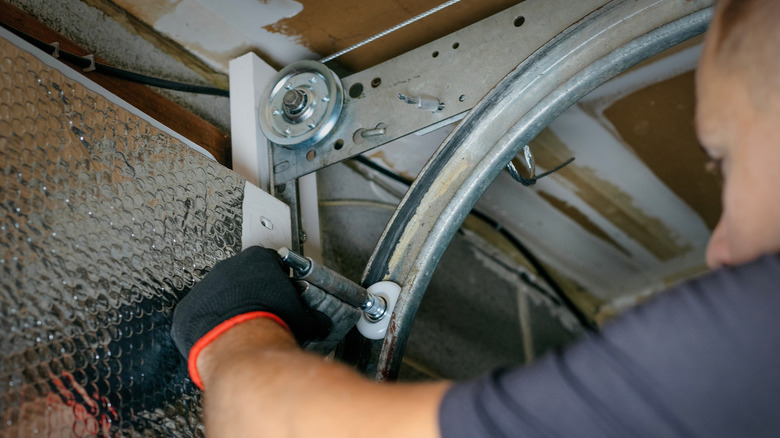
Garage door rollers take a beating as they glide up and down your tracks day after day, helping to guide a heavy garage door panel into proper position. Whether you have standard nylon wheels or older steel rollers, things like dirt and gradual wear will eventually take a toll. Most standard steel and nylon rollers need to be replaced every five to 10 years, especially if they suffer from neglect and the lack of regular lubrication with a silicone-based spray.
As these wheels approach the end of their life, there are some pretty obvious signs that they need to be replaced. You may notice cracked or chipped nylon wheels, or rusted and pitted steel rollers. Worn rollers will also show signs of frozen bearings and a wobbling or grinding motion within the metal tracks. The door could be vibrating as it moves or jerking along the track. If you are hearing a sharp, high-pitched squeal, pop, or rattle with every movement of your door, or if you notice that the rollers are dragging instead of rolling smoothly along the tracks, it's time to check them. Make sure the wheels are replaced before binding, derailment, or complete failure of the door occurs. Once you replace that old hardware, there are plenty of creative ways to repurpose broken garage door parts around your home and garden.
Lift cables
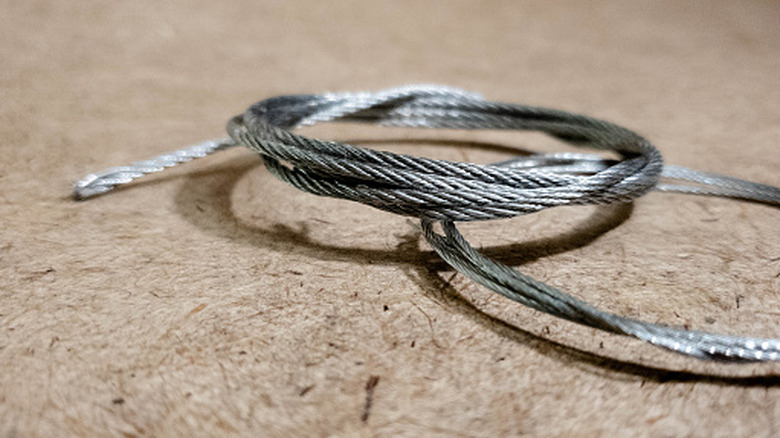
Right next to your torsion springs are the lift cables that endure a huge strain every time you operate your door. These are made from braided steel wires that hold the weight of your garage door as it lifts and lowers down the tracks. Not only do these cables endure hundreds of pounds of pressure during every cycle, but they also endure the fluctuating humidity and temperature of your garage due to the seasons changing.
The cables will fray and rust over the course of years, and after about seven or so years of hard work, they will eventually need to be replaced. Before the cables snap completely, they will show signs of distress like broken outer strands of wire sticking out, heavy rusting, or surface corrosion. They can also cause operational problems, such as causing the door to travel unevenly or incorrectly on the tracks or making squeaking and grinding noises while it's opening or closing. The cables may also jump off the metal drums or spin incorrectly around the spool.
Weatherstripping
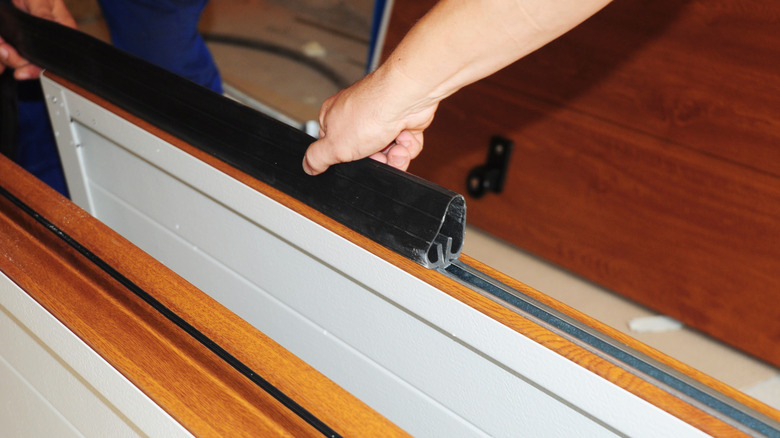
Garage door weatherstripping is your first line of defense against the elements and critters that live outside. This is a flexible strip, usually made of rubber or vinyl, that is located on the bottom of your door and along the sides facing the garage. It not only handles the crushing weight of the garage door, but it also directly faces the elements, like hot summer days and freezing winter nights. This makes the material eventually dry out, losing its ability to make a tight seal.
After five or more years of constant use, the protective barrier around the garage doors becomes compromised, letting in unwanted elements such as weather and pests. Recognizing the signs that denote the need for the replacement of garage weather stripping is usually easy, since most can be easily diagnosed by sight or feel. Common signs to look out for range from cracks and holes in the material to signs of light coming through the closed garage doors on a sunny day. Other telltale signs include the presence of cold air from the garage area, wet spots or patches of water on the garage floor due to rainfall, and dust, dry leaves, or bugs coming through the crevices in your doors. Incorporating perimeter checks into your seasonal routine is one of those simple garage cleaning tips you don't want to skip, especially since energy bills can increase due to the amount of outside air that freely enters the garage and your house.
Automatic openers
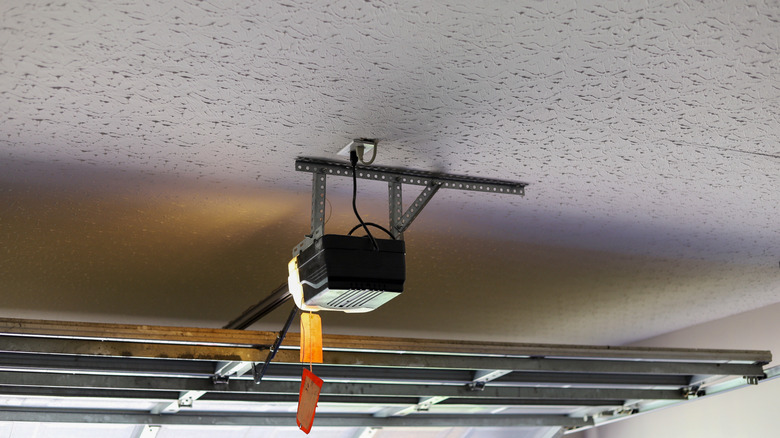
While an automatic garage door opener is meant to last for at least 10 years or more, internal components like the plastic drive gears, drive belts, logic boards, and capacitors might break down before then. With daily use and the occasional unbalanced door panel, the internal mechanics of your garage door opener will eventually wear down and stop lifting your garage door properly. When this happens, you might notice the motor straining, grinding, or whirring loudly when opening or closing. Or, you might see the door shake violently or move more slowly than normal.
In other cases, electrical and sensor issues start popping up — the door erroneously reverses itself halfway through its cycle, operates intermittently, or fails to respond to your wall button and remote controls altogether. When these symptoms become a regular occurrence, you may need to replace the entire unit rather than sinking money into individual repairs. A new garage door opener will restore reliability, safety, and convenience to your daily life while also providing advanced safety sensors, smartphone connection, and ultra-quiet belt-drive systems.