

How Long Will My Propane Tank Last During Cold Months?
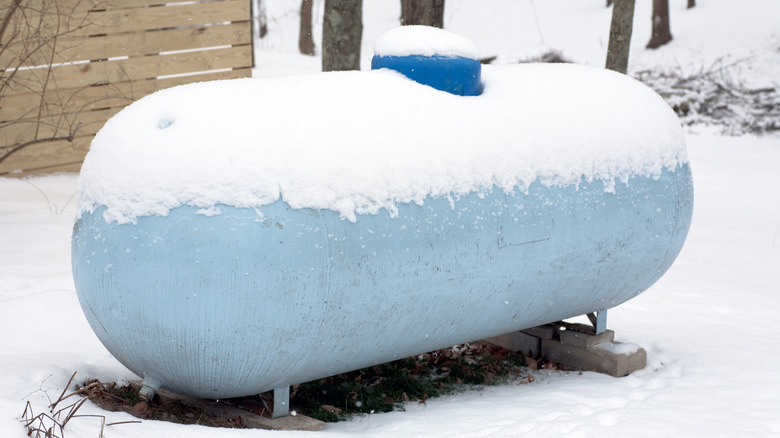
When the cold winter begins and the temperature starts dropping, every homeowner wants their space to be comfortable and warm. For many, propane powers the home through the winter. However, nothing causes quite as much cold-weather anxiety as watching the gauge on your fuel tank steadily drop during a severe cold snap. Knowing how long your supply will last is essential for budgeting and avoiding the dreaded scenario of running out of fuel in the dead of winter.
How long your tank will last depends on many factors. Things like tank size, the square footage of your home, the climate where you live, and the number of your propane-powered appliances you're using all play a part in the lifespan. For a typical home that is heated with propane, a 500-gallon tank should last one to two months during the winter. If you have multiple appliances that use propane daily, you might need to replenish sooner.
Your propane fuel consumption increases when the outside temperature gets colder, meaning that in the dead of winter, you might see a noticeable difference in usage. A 100,000 BTU furnace, for instance, consumes roughly 1.09 gallons of propane fuel every hour when running at full capacity. When considering the average run time of a furnace in winter, it wouldn't be uncommon for you to use 11 gallons of propane fuel every day just on this one task. On the flip side, if you only have propane-powered supplemental appliances such as a water heater and a stove, a 500-gallon tank would potentially last you more than a year. If you keep back-up cylinders on hand for smaller heaters during cold snaps, make sure you understand the dangers of storing an extra propane tank in your shed before stashing them away.
What factors cause your propane to burn faster in winter?
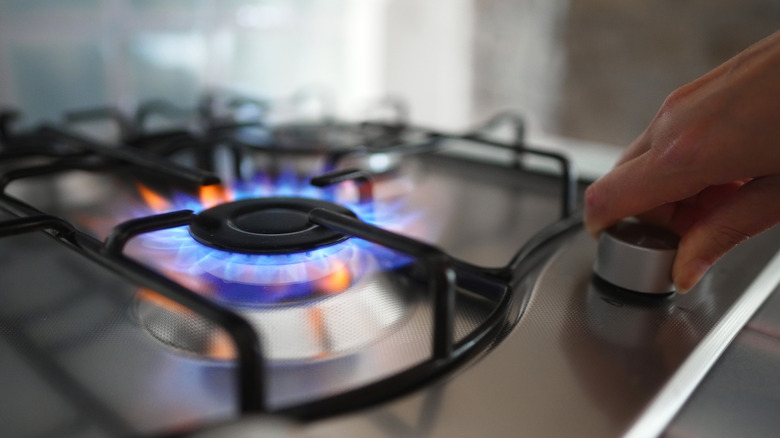
While winter cold is the primary culprit for propane usage, there are several other potential reasons your tank may be depleting at a rapid rate. First and foremost, your home's insulation and air-tightness have a significant impact on how much propane is used. Homes with leaky windows and uninsulated entrances will allow more heated air to seep out of the house, requiring the heater to run longer in order to maintain the set temperature. Secondly, setting your thermostat to a higher temperature than normal for sub-zero outside weather will force your furnace to constantly run to keep up.
The age of your equipment and how often they are maintained also impact how quickly fuel is used. Older or poorly maintained furnaces lose effectiveness over time, burning significantly more propane to produce the same amount of heat as a modern, high-efficiency model. Clogged filters and unserviced heat exchangers restrict airflow and reduce thermal output, turning your heating unit into an energy hog.
Furthermore, household hot water demand surges during cold months. Because incoming groundwater is much colder in winter, your propane water heater must use extra energy and burn more fuel just to bring water up to a comfortable temperature for showers and dishes. Don't forget that secondary winter luxuries like ambient gas fireplaces or outdoor patio heaters add up quickly, making frequent cozy evenings a major contributor to a surprisingly short-lived fuel supply.
How to estimate your winter usage and prevent running out

Estimating your winter propane needs requires taking stock of your home's total BTU demand and tracking your gauge carefully. Start by checking the badge on your furnace and water heater to determine their BTU ratings. Since one gallon of propane yields approximately 91,500 BTUs of heat energy, an average furnace burning 100,000 BTUs per hour consumes roughly 1.09 gallons of fuel for every hour of full operation. By multiplying your total hourly appliance burn rate by your estimated daily operating hours, you can calculate a reliable ballpark figure for your household's daily gallon consumption.
Preventing a total freeze-out means being proactive, not waiting for your house to turn into an ice box. Keep propane tanks above 20% capacity, since allowing the tank to go below this level can cause a drop in pressure, enough to prevent proper ignition and allow moisture and debris into your gas lines — just one of several critical common mistakes to avoid with propane tanks during cold weather.
The best way to avoid running out of heat and getting left in the cold is to call for a fill as soon as the tank registers 20% to 30%. If your tank lacks an automatic gauge readout, you can use a simple hot water hack that makes it easy to tell how full your propane tank is. Many propane suppliers offer automatic delivery services using degree-day calculations to predict burn rates during a cold blast. Alternatively, installing a smart-magnetic or Wi-Fi tank sensor will track liquid levels and send an alert to your smartphone before you ever risk running out in the dead of winter.