

Why Do Riding Lawn Mowers Lose Power When Cutting Thick Grass? (Plus How To Fix It)

Sometimes when you're mowing the grass, things run smoothly. Other times, especially when the grass is thick, the machine may sputter and cut out. One of the mistakes everyone makes when mowing the lawn is allowing thick grass to grow too tall between cuttings. Some of the ways you can fix this are by mowing thick grass more frequently, raising the cutting height as tall as possible (and then cutting it shorter on a second pass), driving slower on the riding mower, waiting until the lawn is completely dry (as it's tough to cut wet, thick grass), and cutting a narrower path than normal on each pass.
Some other common reasons your machine stops working when cutting thick grass include dull blades, a clogged deck, or poor fuel quality. You can fix these issues with basic maintenance, but some may require replacing parts.
If you haven't changed the fuel filter, air filter, or the rider's deck belt in a while, replace those first. Learning to identify and fix these issues will help your riding lawn mower perform more like it did when it was new (regardless of how thick the grass gets).
Basic maintenance can keep the mower running in tall grass
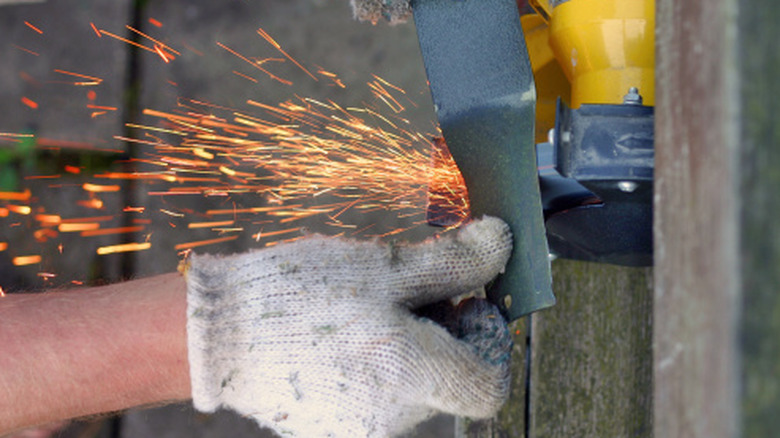
The mower stalling in thick grass is a warning sign that your riding lawn mower blades need sharpening. Dull blades will drag and tear through the grass. In a thick lawn, this slows the blades' spinning speed and may cause the mower to stop running. You can sharpen the riding mower's blades yourself by running a manual file along the blades' edges or using an angle grinder or bench grinder. Hardware stores and small-engine repair shops will often sharpen blades for a fee.
A riding mower deck that's clogged with cut grass may eventually lose power and shut down while cutting thick parts of the lawn. Another sign of a clogged deck is large clumps of cut grass left behind as you drive. When you cut wet, thick grass, it often accumulates under the deck. To clear debris, remove the deck, then use a scraping tool to knock loose the clumps stuck to the deck's underside.
The riding mower's engine may sputter to deal with thick grass when it has old gasoline in the tank. Gasoline begins to go stale after sitting idle for 30 to 60 days in the tank. To fix this issue, safely siphon the stale fuel and replace it with fresh fuel. If you operate with old fuel, you may have to clean the carburetor or have a pro do it.
Replacing worn parts helps your mower cut thick grass better
If your riding mower operates fine after you start it, but sputters and loses power when you engage the blades on thick grass, you may have a clogged fuel filter. When the carburetor cannot access enough fuel, the engine will lose power when placed under stress. If you can see dark spots or debris inside the filter, it needs replacing. You could do the work yourself or hire a pro.
A clogged air filter can also cause the mower to sputter and cut out when mowing tall grass. Without a clean air filter, the engine can't pull in enough air to burn fuel. You should remove and clean it every 25 hours of operation. If it consists of paper, bump it against a sidewalk or driveway to dislodge dirt and debris. If it's foam, you can wash it with water. Otherwise, replace it with a new matching model if it appears to be damaged or worn.
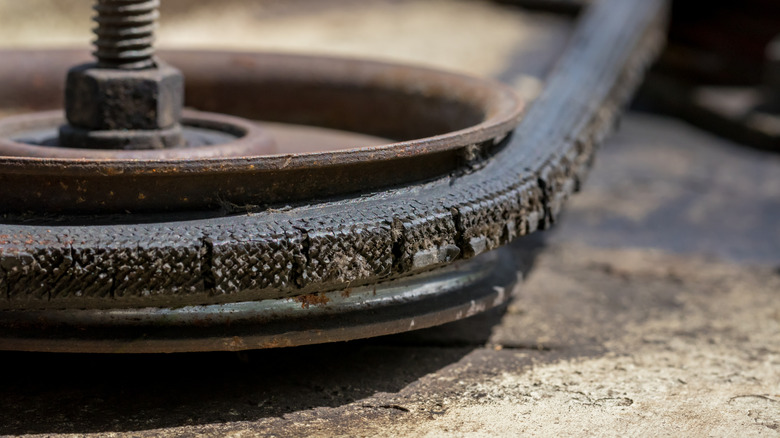
One riding lawn mower part you should replace every 100 operating hours is the deck belt. A key sign is when the belt works fine in dry grass or over the driveway but stalls in thick patches of the lawn. Find a new belt with the right length and install it, following the proper pattern around the pulleys.