

Why Do Professional Painters Wear PPE?
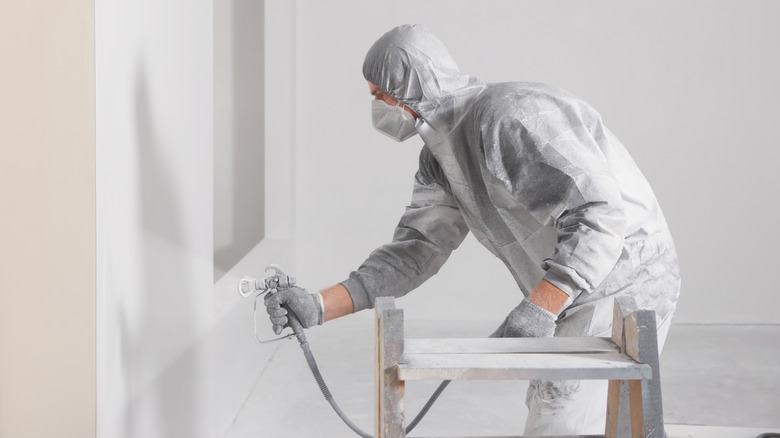
Professional painters encounter many kinds of dangers daily that can be harmful to their well-being. This is why they wear PPE, or personal protective equipment, to protect themselves from these hazards and minimize their contact. Without this gear, painters may experience serious short-term consequences, like headaches, dizziness, and nausea, and even worse long-term effects due to chemical exposure. They can also be at risk of physical injury, whether they fall from a tall ladder or slip on a wet surface. While professional painters will rarely use painter's tape, they will not often be caught without protective gear.
One of the biggest concerns painters face day after day on projects is inhaling dangerous airborne chemicals and particles. And the long-term effects of these chemicals are one of the main reasons why PPE is so necessary. In 1989, the International Agency for Research on Cancer (IARC) classified the occupation of painting as a Group 1 carcinogenic and linked exposure to these compounds to various forms of cancer, bronchitis, asthma, and more. Even if they choose to use low-VOC or no-VOC paint, which minimizes the fumes from volatile organic compounds (VOCs) by 50% or nearly entirely, there is still a chance of encountering dangerous chemicals found in pigments, extenders, binders, solvents, and additives. So, wearing PPE is essential for professional painters to minimize the risk of future serious illness.
Types of protective gear that the pro painters wear
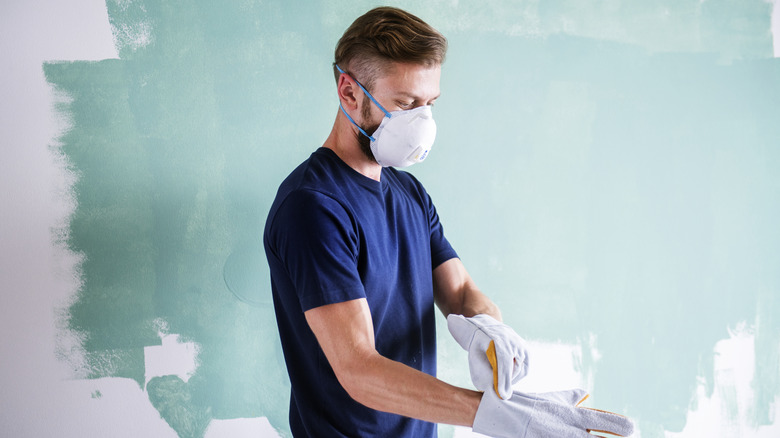
Most professional painters wear suitable PPE to match the hazards associated with a specific job site. So if they expect to be exposed to fine dust or even lead dust from sanding painted surfaces, then they will likely choose to wear an N95 mask. They also may wear safety goggles on jobs that require paint to be applied with a roller, to prevent any paint from falling into their eyes. An organic-vapor cartridge respirator, like this 3M Gray Reusable P95 Half Face Respirator from Lowe's, is one of the most necessary. This type of respirator reduces the risk of inhaling several different chemicals when using spray paint or solvents.
Other types of PPE that a painter might wear include some type of foot protection or heavy-duty shoes, depending on the job. The most basic type of foot covering simply guards against paint splatters, while steel-toed shoes prevent injuries from buckets, tools, or other heavy items that may fall from a ladder. Some foot protection also provides traction to help avoid slipping on spilled paint or drop cloths. If a painter uses loud equipment and tools, they might utilize earplugs to reduce any hearing damage. Professional painters wear all-white clothing as part of their full PPE, too, and these disposable coveralls (plus gloves) prevent skin irritation or burns.
If you are not a professional, you might question whether you should wear a hard hat, respirator, and steel-toed shoes to paint your kitchen. It's important to assess the risk for yourself based on the hazards involved in your project. For example, if you are completing a project with a spray painter, you might want to consider wearing a respirator to avoid breathing in nasty fumes, as well as goggles to reduce the chance of paint particles getting in your eyes. The good news, however, is that the average homeowner doesn't need to worry about long-term exposure to painting hazards like the professionals do.