

Cheaper Than Traditional Insulation: The Natural Material For Warmer Shed Walls
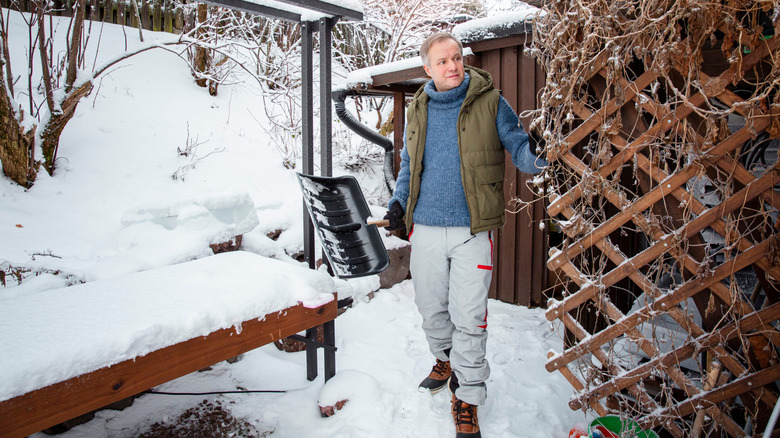
Insulation is incredibly important during the coldest months of the year, but most of the focus is reserved for checking your windows and doors for drafts or making sure the walls of your home have adequate protection. While you might not spend much time outdoors or working with your lawn tools during the chilly season, maintaining a fairly consistent temperature in external buildings, like sheds, is also essential. Excessively low temperatures can negatively impact your tools, batteries, and supplies in a myriad of different ways, and even items like stored furniture or work surfaces can suffer severe consequences. This fluctuation in temperature can be minimized with store-bought insulation, but if you're looking for a cheaper, more natural solution to provide some protection for your build, something as simple as bales of straw can make a big difference.
While it might seem a bit unexpected, straw has been used as a building and insulation material for thousands of years. It's less common to find today thanks to rise in popularity of other, mass-produced kinds of wall insulation, but Nebraska-style structures still regularly rely on straw bales as both insulation and structural support. There's also the option to stick with more standard building techniques and simply use straw as an alternative type of insulation within a wood frame. Either way, building or insulating a shed with straw bales provides a fantastic opportunity to utilize this often wasted material, save some cash, and explore alternative construction methods that you might not have otherwise considered on a project.
How to choose a straw bale shed design
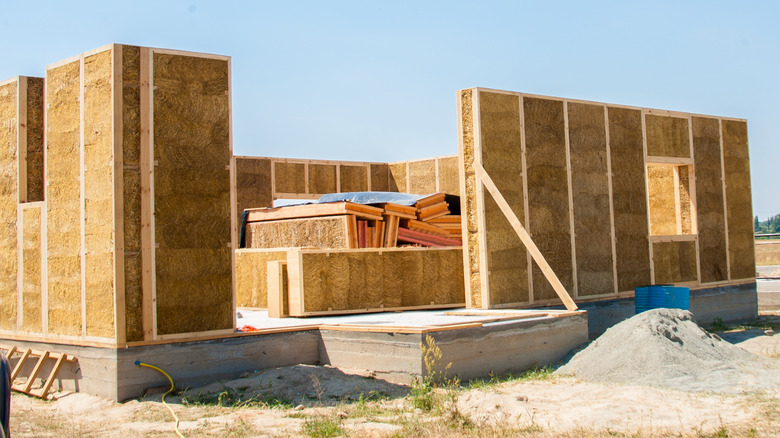
There are two main options for straw bale buildings: load-bearing or Nebraska style and the non-load-bearing, infill method. Nebraska-style builds are a bit easier to pull off if you're looking for a DIY option. Essentially, standard straw bales are stacked up and anchored to each other to form a basic shape — very simple if you're only in need of a small shed — and the bales themselves are able to support the weight of the roof. The walls are then plastered to create an overall smoother look, but the final result is still quite rustic.
The infill method, on the other hand, is a bit more familiar to modern eyes. Just like any other structure, a basic frame of wood beams is constructed to form the general shape of the building and provide support. From there, the straw bales are stacked between the spaces created by the beams, being used for their insulative properties rather than for any kind of structural support. This option is great for those who already have some woodworking and building skills under their belt, especially if your goal is to craft a structure that looks indistinguishable from a standard shed at the first glance.
Pros and cons of straw bale sheds
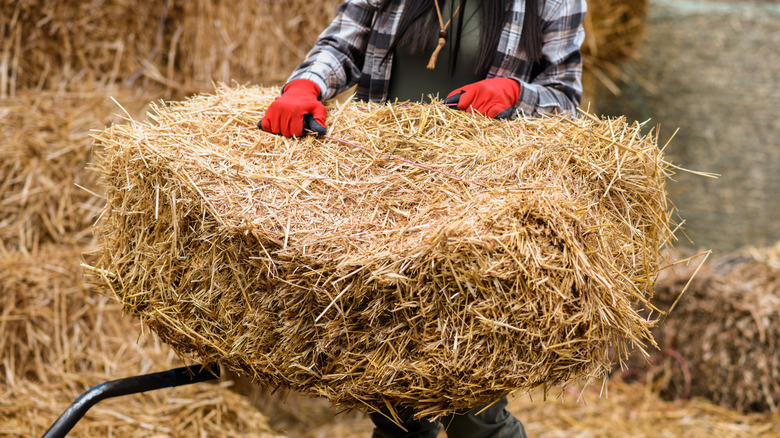
The main draws of straw bale structures include their affordability and eco-friendliness. There are plenty of ways you should be using straw in your yard and garden, but this takes the cake in terms of savings. While the price of straw bales will vary based on where you live and how many you need, this is a very common waste product from farms — you'll more than likely be able to find a local supplier that will be able to cut you a deal, but even store-bought options will only run you around $10 per bale. You'll also be making use of a natural material that might be otherwise burned or discarded, so this building option is about as eco-friendly as it gets.
This building method does, however, have some drawbacks, both when it comes to initial design and functionality. In order to properly insulate the space, straw bale walls need to be very thick — almost 2 feet — which can seriously decrease the amount of functional room you have in the shed. Additionally, it might be hard to get permits if your area requires prior approval to build a new structure on your property.
There's also, of course, the impacts of nature. Well-packed straw bales are surprisingly more fire-resistant than traditional insulation, but the same can't be said when it comes to moisture or pests. Beetles, rats, and dampness are common issues in straw bale structures, so if you live somewhere with high levels of humidity or frequent pest problems, it might be a better idea to forgo this shed construction and insulation method.