

Not Concrete Pavers: The Easy Swap For Warm, Mediterranean-Style Garden Paths
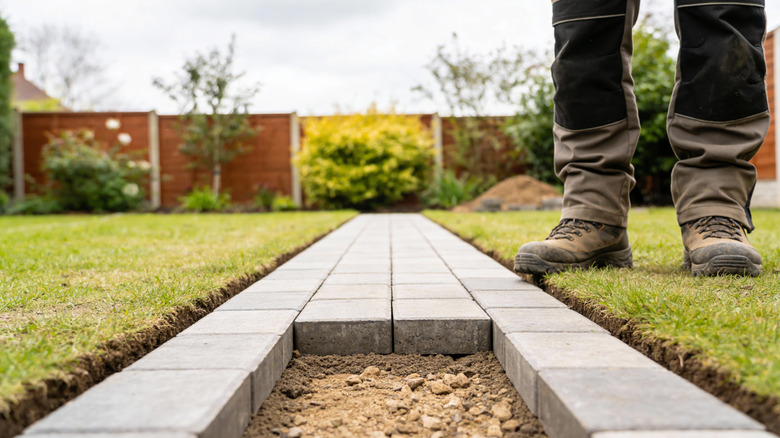
Concrete pavers certainly serve their intended purpose, but their dull gray color, popularity as a material, and overall basic design don't usually coalesce into a look that reads as creative or stylish. While zhuzhing them up with some simple concrete paver techniques or a bit of pretty greenery along the border can help, there are serious drawbacks to using this material if style is top of mind. Thankfully, there's an alternative to concrete pavers that's just as durable in hot climates, more unique, and perfect for bringing some additional warmth to your space: terracotta.
Terracotta has been around since ancient times and has been used to create everything from sarcophagi to pottery and statues, but one of its most popular and enduring applications is as a building material. Although it's more often recognized as a roofing material that stands the test of time, terracotta can have a place underfoot too. Because of its associations with Mediterranean design, terracotta is a fantastic paver material for homeowners who want to create a European, Old World feel in their garden. However, the overall warmth and handmade feel of these pavers can also blend well with other exterior aesthetics. Whether you're attempting to curate the boho space of your dreams or you simply prefer a color palette that skews a bit warmer than drab concrete gray, these pavers will fit right in.
What to know before investing in terracotta pavers
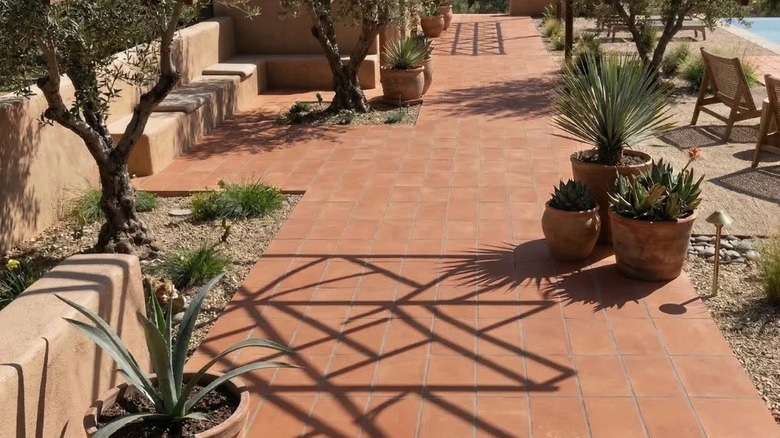
If you live in the Southern or Southwestern United States, you might already be familiar with terracotta being used as a walkway material. It's easy to chalk this up to simple differences in cultural influences and design preferences, but there's another big reason behind the regional divide: weather. Terracotta is great for areas that experience extremely hot weather because it doesn't heat up quite as much as concrete, making it more comfortable to walk on.
Other than that, terracotta pavers function very similarly to more standard concrete pavers. Mass-produced options often come in sizes you're already familiar with, such as 12-by-12 inch squares and 6-by-12 inch rectangles. They don't require any special subsurface, and will go down just like concrete pavers, but it is important to consider the fact that handmade pavers might have slight variations in size and shape that could require some careful arrangement or finessing if you're creating a more intricately patterned walkway.
There are some tradeoffs to be aware of before choosing terracotta pavers over concrete. First, they're not particularly durable in chilly climates. Because this material is porous, it's prone to damage from the freeze-thaw cycle if it's not properly and regularly sealed. Additionally, terracotta typically isn't rated for use in areas that will see traffic from vehicles. While they're a fantastic choice for a simple garden path, a walkway along the side of the house, or even a patio, they're likely to crack under the weight of a car. If you don't want to deal with the upkeep, consider some other backyard materials for cold weather and heavy traffic.
How to style terracotta pavers in your outdoor space
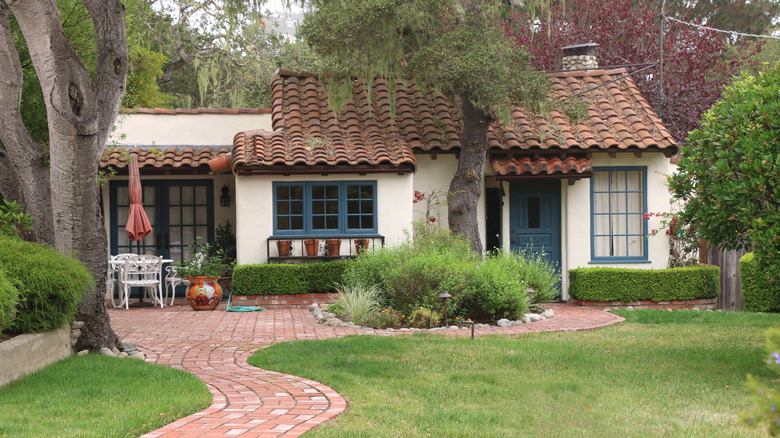
If you've decided on terracotta pavers, there are plenty of different shapes and designs you can choose from. Basic square and rectangular shapes will be the most common, but you can also find creative geometric or ornamental options that are a great choice if you want to make more of a statement in your outdoor space. There are even permeable terracotta pavers.
When it comes to the overall design, there is a bevy of different aesthetics that terracotta will pair well with. A Mediterranean or Southwestern-style garden are natural fits, but there's nothing stopping you from going more minimal and modern. Because of their earthy, reddish-brown color, the pavers will contrast beautifully against lush grass and sculptural plants, but they'll look equally as gorgeous cutting through a stunning gravel garden in outdoor spaces where water conservation is top priority.
Regardless of the overall aesthetic, consider bringing in some other terracotta accents throughout the space to really pull everything together. Pots in the same material are an obvious and easy-to-source add-in, but bird baths, lanterns, and figurines are also great choices if you're looking to break from the norm. By spreading terracotta's unique color and texture around the whole area, your garden paths will start to feel like an intentional part of an overall look, which is much better than a plain concrete walkway.