

Better Looking Than Plain Drywall: The Rustic Design For Walls You Can Source For Cheap
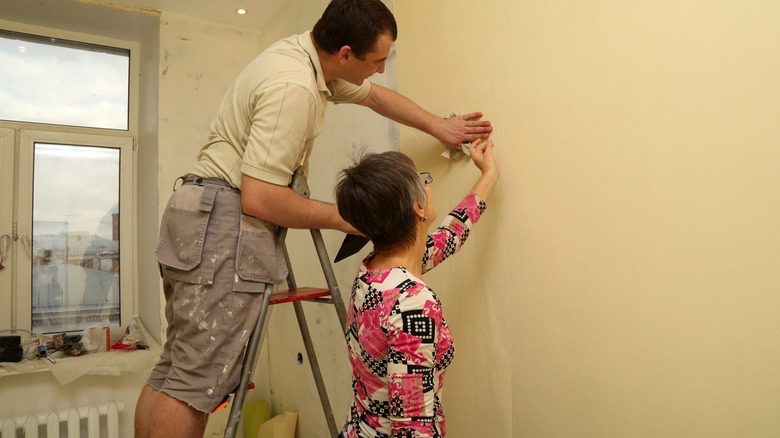
Over the last decade or so, the modern farmhouse style has been a hot commodity in residential interior design. With its distinctive blend of traditional and modern elements, you can incorporate this trendy style into your home in countless ways, from using organic textiles and layering different materials to focusing on neutral colors. Looking for more unique options with this style? You can install reclaimed barnwood over plain drywall as panelling to create a warm, rustic vibe.
If you aren't familiar with this construction material, here's a quick rundown. As the name suggests, barnwood is wood is salvaged from real barns that are being demolished. It's then treated in various ways to prepare it for resale and reuse in homes. For example, BeechCreek Timber Company in Georgia sources different types of barnwood from old barns in several U.S. states, including Ohio, Pennsylvania, and Tennessee.
The cost depends on the wood species, the dimensions, the supplier's delivery costs, and several other factors. As an example, though, Coast to Coast Barnwood sells 25-square-foot bundles of 5" reclaimed barnwood planks for $200 to $225. (Meanwhile, you can get the same amount of shiplap for $25 to $63, according to Angi.) However, if you want to panel your walls with reclaimed barnwood, you don't necessarily have to order it from a specialist business. Instead, you can check online marketplaces (like Facebook Marketplace) to see if anyone in your area is trying to get rid of some.
The pros and cons of using reclaimed barnwood in your home
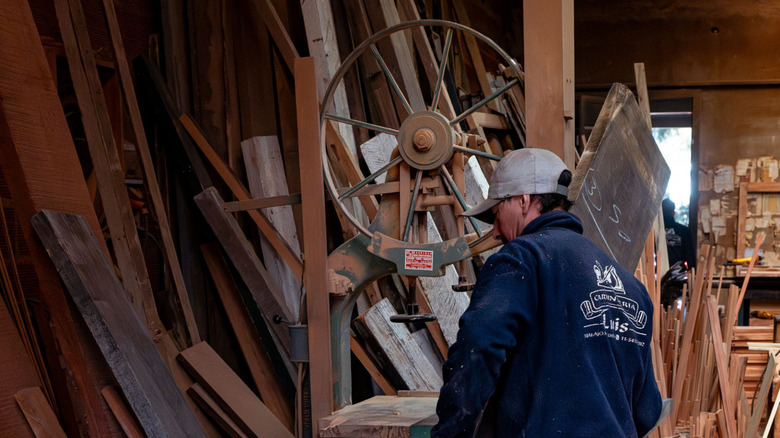
Let's start with the main perk of reclaimed barnwood: it's versatile. Barnwood paneling is great for accent walls, ceilings, or entire rooms, depending on the look you want. It comes in different sizes and colors, including browns and grays, to create the right aesthetic for your home. (You can even mix and match them for a more eye-catching design). With unique grain patterns, barnwood has an authentic look you don't get from artificial timber construction materials.
Another possible benefit is that reclaimed barnwood doesn't have to be expensive. If you can find someone tearing down an old barn or similar wooden structure, like a large old shed, you might be able to score a good deal on the reclaimed materials. Keep in mind, though, that you'll have to transport, process, and install the planks yourself — including investing in the necessary tools and supplies — or pay a contractor to do it all for you.
That leads us into the potential drawbacks of this material. For starters, reclaimed barnwood is susceptible to moisture, warping, and splitting. Specialist suppliers often remove all the old nails before selling it; that might not be the case if you buy barnwood from an online marketplace or someone in your community. You don't want to risk poking yourself with old or rusty metal while handling the wood.
What to consider before putting reclaimed barnwood over drywall
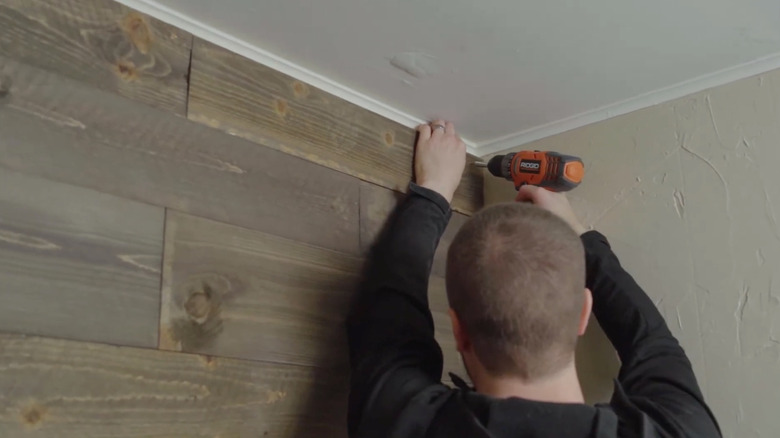
Whether you're installing the barnwood yourself or hiring a pro, consider the below things. First, think carefully about where to put it and how much to use, based on the aesthetic you want. If you want to add texture or personality to a small area, then you could create a DIY wooden accent wall from reclaimed barnwood. But if you're going for a full-on rustic vibe, then you could cover all of the walls and ceilings with this natural material.
Next, make sure your drywall is straight and structurally sound before installing wood over it, or risk gaps between the planks. Consider how much it will cost to repair drywall within your budget before installing. Damp drywall can damage barnwood, so check for any signs of moisture damage.
Finally, barnwood planks require maintenance. Clean barnwood as often as furniture. Protect it from direct sunlight, so you may need to install light-blocking blinds or curtains.