

Keep Backyard Birds Happy All Winter With An Icy Blue Evergreen Shrub
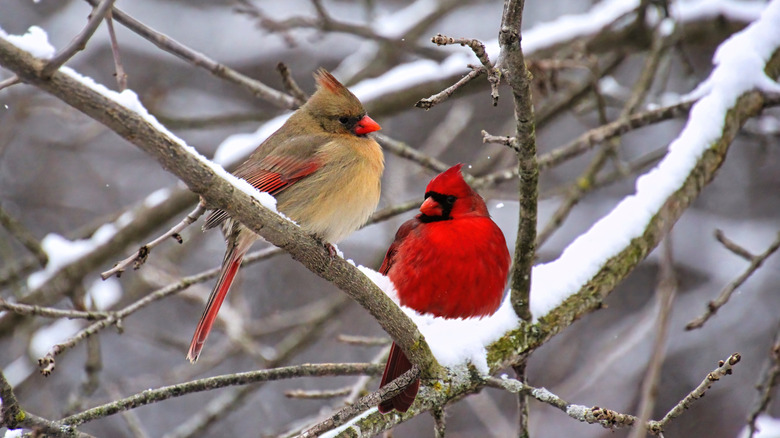
If your area faces chilly winters, you know how desolate and inhospitable they can be. Once-lush trees turn into sticks, freezing breezes make spending even a few minutes outside uncomfortable, and snow coats everything in a bright white blanket. As humans, we soothe this discomfort with a crackling fire, warm meals, and chunky sweaters, but the animals outside aren't so lucky. This season is incredibly difficult for wildlife, but you can keep the feathered friends in your yard happy in the winter by planting a 'Grey Owl' juniper (Juniperus virginiana 'Grey Owl').
'Grey Owl' juniper is a stunner year-round, featuring pretty evergreen leaves that can range from silvery gray to bluish purple. But it becomes incredibly valuable once your other plants start to fade as the coldest months of the year approach. Around the same time you should be clearing leaves from your yard, 'Grey Owl' juniper kicks into action, producing small, berry-like cones that are a favorite snack for birds.
While resources are plentiful during spring and summer, fall and winter food is a rare find, so an evergreen shrub like this could be just what local birds need to make it through the botanical off-season. Unlike some other shrubs that take some time to settle in and start producing fruit, 'Grey Owl' juniper will grow cones during its first year, so it's a quick way to make a difference. Pair your juniper shrub with a heated, deck-mounted Amazon birdbath that can keep visitors warm, and your yard is sure to be a hotspot for feathered friends all winter long.
How to plant and care for 'Grey Owl' juniper
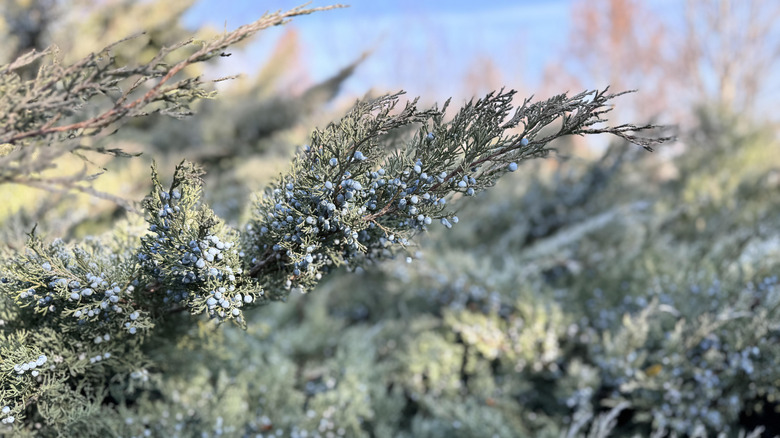
'Grey Owl' juniper thrives in USDA Plant Hardiness Zones 2 through 9, so you'll likely have success growing it just about anywhere in the U.S., with the exception of particularly hot regions. It's best to plant this shrub in spring or early fall to give it a chance to get established before more extreme weather rolls around. With weekly watering while it establishes and a bit of mulch around the base, you'll be able to enjoy its unique, silvery color year-round without much effort. Allow 6 to 12 feet of space for planting — while this slow-growing shrub will only reach about 2 to 3 feet tall at maturity, it can spread up to 6 feet wide.
The ideal location for a 'Grey Owl' juniper is somewhere with full sun and well-draining soil that retains some moisture. The shrub doesn't like to be waterlogged — in fact, it's considered one of the most drought-resistant native conifers out there. Because it can handle fairly rocky soil, it's a great pick for mountainous terrain, though this isn't a requirement. It's also tolerant of pollution, so it can thrive in smoggy urban settings. While any 'Grey Owl' juniper will look beautiful in the garden, the species is dioecious, so it's important to choose a female plant if your goal is to provide a food source for birds. Only female shrubs produce that flurry of cone-like berries in fall and winter.
Issues you might face when growing 'Grey Owl' juniper
'Grey Owl' juniper is deer-resistant, has better drought resistance than many other conifers, doesn't require frequent fertilization, and is even immune to the growth-inhibiting effects of that black walnut tree in your yard. However, it still has its share of issues. In general, plenty of pests and diseases target junipers. If you're growing 'Grey Owl,' keep your eyes peeled for bagworms, caterpillars, spider mites, scale, aphids, and webworms. Keeping the plant healthy and happy is a good first line of defense against these bugs, but you can also encourage natural predators and regularly treat the shrub with horticultural oil to help reduce the chances of infestations.
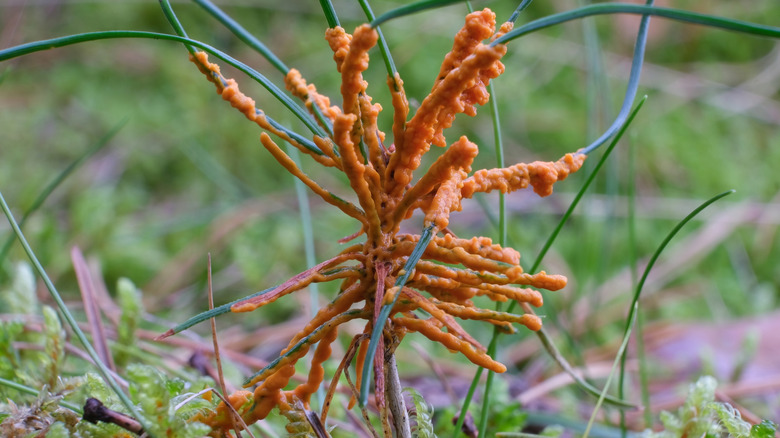
Several diseases can also negatively impact 'Grey Owl' juniper, including fungal diseases like Phomopsis, rust fungus, and some blights. While the best approach is to maintain the overall health of your shrub, spraying it with fungicides and regularly cleaning and disinfecting your garden tools can help prevent the spread of diseases among plants. If you notice signs of disease on your 'Grey Owl' juniper, trim back infected branches immediately and dispose of them.
Finally, there's flammability to consider. While this likely isn't top-of-mind for a lot of homeowners, it's incredibly important to factor in if you live somewhere prone to wildfires. Junipers catch easily and burn hot and fast due to the large amount of natural oils in their leaves. Often, it's best to avoid planting junipers altogether in high-risk areas, though low, mounding shrubs like 'Grey Owl' juniper may be a safer option.