

The Durable And Weather-Resistant Material To Use For Backyard Shed Roofs
We may receive a commission on purchases made from links.
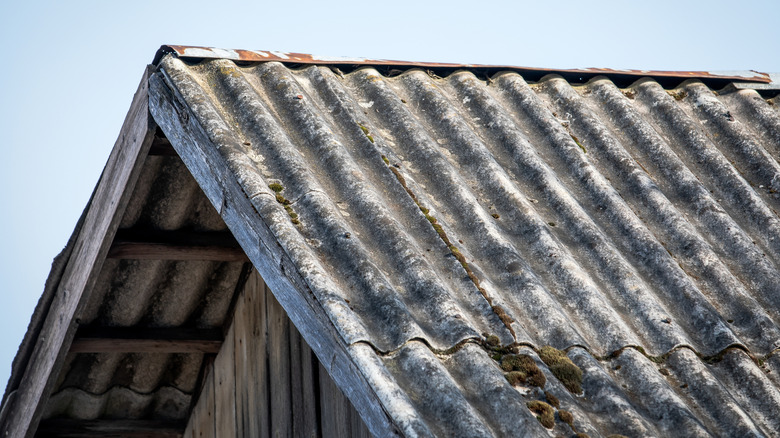
After spending the money to build a backyard shed, you want to make sure it will last. In addition to performing maintenance on the exterior and controlling pests, you should keep a close eye on the roof. Water damage on the interior and clearly visible mildew growing near the ceiling are signs of roof problems that require maintenance. Before considering an entirely new shed roof design that creates better drainage, consider adding a proven protective roofing material.
Fiberglass mineral surfaced roll roofing (FMSRR or MSR) is a popular choice for backyard sheds. It is an asphalt product reinforced with fiberglass. The top layer contains ceramic granules that provide protection against UV rays in sunlight. The materials used to create this roll can stand up to all kinds of weather and other tough conditions.
If you're building your own DIY shed, you may be looking to save some money on materials. MSR generally provides a good value compared to other materials commonly used for backyard shed roofs and other low-slope roofs, although you won't receive the same longevity as traditional shingles. You can purchase a roll of MSR that covers about 100 square feet for around $50 at Home Depot, whereas purchasing 100 square feet of architectural shingles would cost about $135.) You can expect to receive 5 to 10 years of longevity out of the MSR roll under normal weather conditions, as long as the installation occurs correctly. Asphalt shingles should give you 15 to 30 years of performance before they'd need replacing.
Key pros and cons found with MSR roofing rolls for sheds
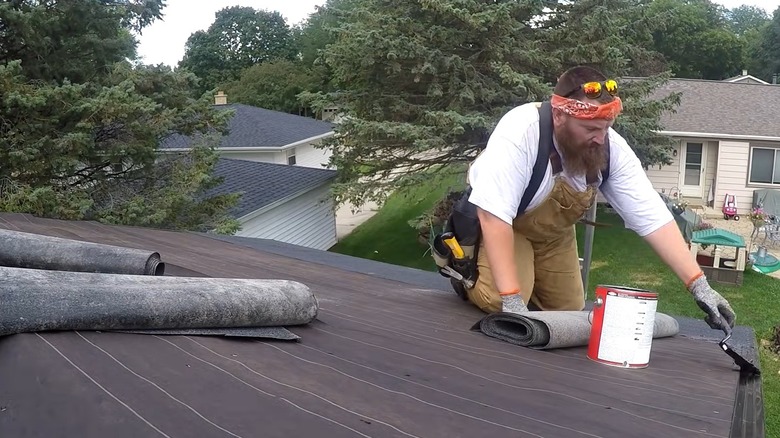
Generally, MSR rolls consist of a fiberglass mat as the interior layer with a coating of asphalt on both the top and the bottom. The manufacturer then embeds ceramic or mineral granules onto the side that will be exposed to the weather. Adding the ceramic granules to the top layer of the roll is a key feature to enhance its longevity, as its these granules that give the asphalt and fiberglass material a better ability to stand up to direct sunlight. They also prevent physical damage from scraping branches or similar issues.
The MSR rolls are especially useful for low-slope roofs, generally those with a slope pitch between 1-in-12 and 4-in-12. Don't install it on a steeper sloped roof, or improper water drainage may occur, shortening the lifespan of the material. If you install it on a no-slope, flat roof for a shed or another type of small building, you may end up with leaks on the interior.
MSR rolls are typically better for sheds, carports, and similar smaller structures. You would not want to use these rolls on a home's roof, as they may negatively affect the resale value. Additionally, unlike installing dozens or hundreds of individual pieces when you use shingles on a roof, the strips of MSR rolls can't move as easily under changing temperatures and humidity levels that may cause the entire structure to slightly shift as it expands and contracts. A larger building will shift more in these conditions, making individual shingles better for the larger building's roof.
Steps required to install an MSR roll on a shed roof
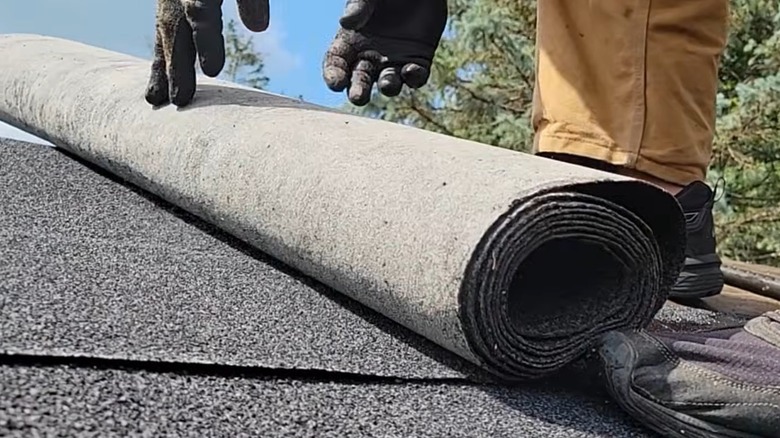
Among the different types of roofs to consider for your backyard shed, a roll of MSR may be the easiest to manage and install. Each roll generally measures almost 3 feet in width and almost 36 feet in length, resulting in around 100 square feet of coverage per roll. A typical product measures about 120 mil in thickness (equal to about ⅛ of an inch) and weighs about 90 pounds per roll.
Because of the roll's width, you can install the MSR roofing faster than typical shingles, which should cut down on the cost if you hire professionals. This material offers multiple installation options, which makes it easier to match the technique to the roofing structure of your backyard shed. For example, you might not need to add underlayment, depending on the MSR roll you select.
To install an MSR roll of roofing, start by cleaning the existing roof of any old materials, like raised nails. Then add components like the drip edge, ridge cap, and underlayment (if required). These components are key to a long-lasting installation that can withstand tough weather. Cut part of the roll into narrow strips (about 9 inches) and fasten them to the edges with a slight overhang. You can use roofing cement to secure the material to the shed. Then roll sections of the material from the eave upward toward the highest part of the roof, which allows water to flow downward along the vertically aligned seams rather than collecting in horizontal ones. Overlap each vertical section by 2 to 4 inches.