

Don't Put In A Formal Dining Room If You Have A Contemporary Home: Here's Why
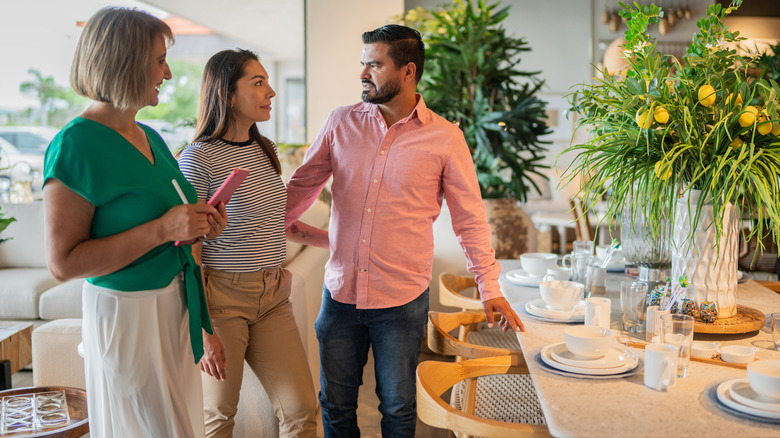
A formal dining room was once a quintessential part of the average home. According to The Georgetowner, dining rooms evolved into symbols of wealth and status, with Thomas Jefferson being one of the first Americans to install a dining room in his Virginia home in the 1770s. Over time, formal dining rooms were no longer exclusive to the elite, and they were integrated into American home architecture for decades to come. The dining room was once considered ground zero for eating meals. But over the last 30 years, there's been a debate over whether dining rooms are really necessary, particularly in contemporary open concept home designs. If you have a house without a designated room for dining, you might consider skipping this formal space unless you plan on actually using it regularly for communal meals.
Older homes often have designated rooms meant for formal dining. From an architectural standpoint, a formal dining table can appear awkward in a newer abode because it disrupts the natural flow of the open layout. Trying to have a more formal dining experience in an open-concept area is also destined to have disruptions from nearby connecting rooms. Even worse, if you don't use the space for actual dining, the table can quickly turn into a space that collects piles of mail, toys, and other clutter. Unless carefully designed, a formal dining room may not be aesthetically appealing in this type of home layout.
Formal dining room considerations in contemporary homes
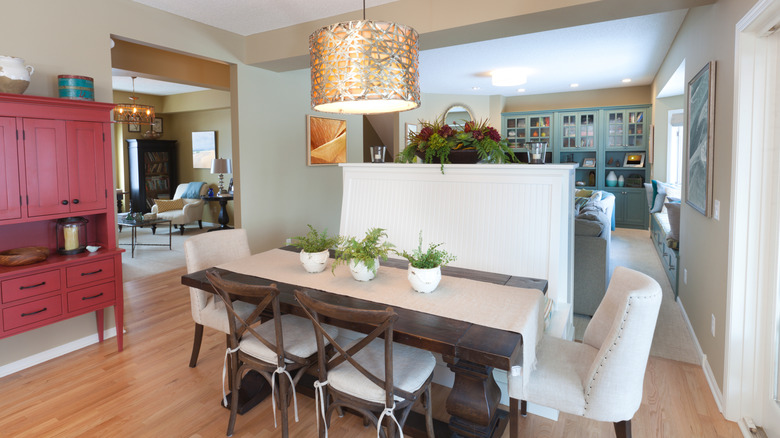
If you're considering a formal dining room in your current open-concept style home, the decision really boils down to your design preferences and lifestyle. For some people, the idea of having a dining space is still attractive as a spot to host gatherings. While an open layout doesn't have the formal structure in place to hold a separated dining space, having a dining room as part of your main living area can still be more functional and less rigid.
Before adding a formal dining area to your home's open layout, there are ways you can define the space without erecting new walls. Consider placing an area rug underneath the table, as well as a large light or chandelier above it. If you have the space, built-in shelving or sofa tables can help create some borders in between your dining room, kitchen, and living room. There's also numerous opportunities to make a statement with your dining room, no matter where it's located.
On the flipside, there's an increased interest in separated spaces, and open-concept floor plans are not as popular. Much of this longing for traditional closed concept homes stems from changes in how many families used spaces during the COVID-19 pandemic. While an open-concept home offers the blending of family activities, many people found this setup wasn't ideal when some household members were concurrently trying to work, study, play, or eat. In this case, a formal dining room could offer more privacy, and you might keep this in mind if you're selling your home.